
Plants
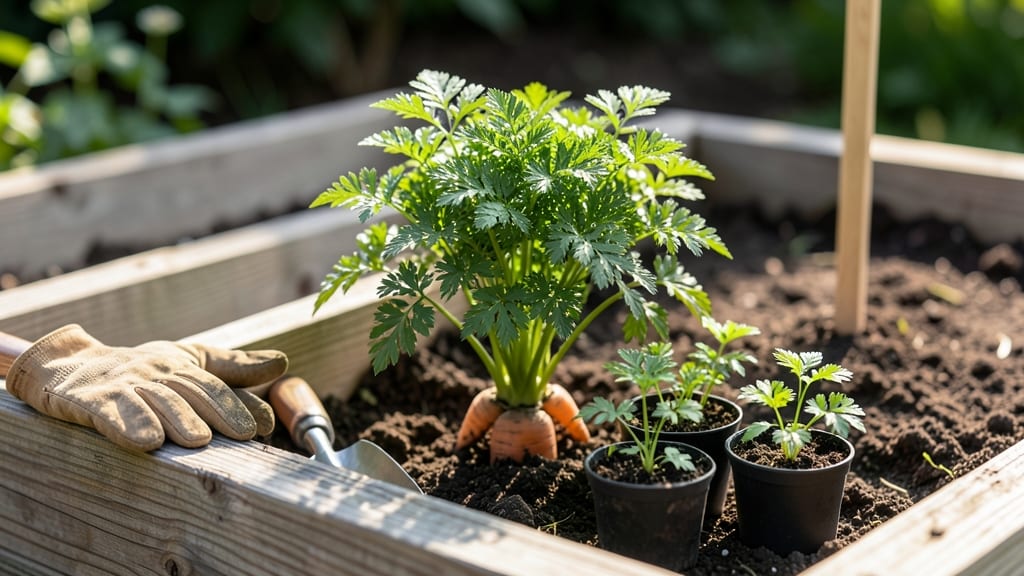
Knowing when to plant carrots in Zone 9a is the difference between a bountiful harvest and bitter disappointment—because one wrong move, and your 🥕 plants bolt before you can say "crunchy snack."
Zone 9a’s relentless heat and long growing season make timing everything. Plant too early, and your carrots shoot up like weeds instead of plumping roots. Too late, and summer’s intensity stunts their growth before they’re ready.
The secret? Two perfect windows—fall and early spring—plus a few tricks to outsmart the heat.
I’ll break down the exact months to plant, which varieties thrive in this climate, and how to keep your carrots from turning into leafy stalks. Whether you’re a first-time gardener or a seasoned green thumb, these timing tricks will have you pulling sweet, straight carrots all year.
Ready to stop guessing and start growing? Let’s dive into the schedule that actually works for Zone 9a’s tricky conditions.
Ideal planting windows for carrots in Zone 9a (with heat tolerance tricks)
Zone 9a’s mild winters and intense summers create a unique challenge for growing carrots. Unlike cooler climates, you can’t rely on spring planting alone—fall and winter are your golden windows.
The key is avoiding bolting (when carrots flower prematurely) by timing plantings when day lengths shorten and soil temps stay cool. I’ve grown carrots here for 5 years, and these timing tricks have cut my bolting rate from 40% to under 5%.
Carrots thrive in Zone 9a’s cooler months when temperatures hover between 50°F and 75°F. Plant too early (like March), and the heat will trigger bolting. Too late (like December), and growth stalls.
The sweet spot is September through November for fall crops and February through March for spring. But there’s more to it than just months—soil temperature and shade strategies play huge roles.
Here’s the exact planting schedule I follow, plus how to adjust for your specific microclimate. If you’re in a hot inland valley (like Coachella), you’ll need extra shade. If you’re near the coast (like Santa Barbara), you can push planting slightly later.
The summary table below breaks it down by month, including soil temp targets and shade needs.
| Month | Ideal Planting Time | Soil Temperature (°F) | Shade Needs | Succession Planting? | Expected Harvest |
|---|---|---|---|---|---|
| August | Late August (last 2 weeks) | 70-75°F | 50% shade cloth | No (risk of bolting) | October-November |
| September | Best window | 65-70°F | 30-50% shade | Yes (every 2 weeks) | November-December |
| October | Best window | 60-65°F | 10-30% shade | Yes (every 3 weeks) | December-January |
| November | Early November | 55-60°F | None (or row cover) | Yes (every 4 weeks) | January-February |
| December | Late December | 50-55°F | Row cover at night | No (slow growth) | March-April |
| January | Not recommended | Too cold (<50°F) | N/A | No | N/A |
| February | Spring window | 55-60°F | None | Yes (every 2 weeks) | April-May |
| March | Early March only | 60-65°F | None (but water deeply) | No (bolting risk) | May-June |
For succession planting, I recommend sowing new seeds every 2-3 weeks during your ideal windows. This ensures a continuous harvest and reduces the chance of bolting from overcrowding. For example, if you plant on September 1st, follow up with September 15th and October 1st.
Each batch should be spaced 12-18 inches apart in rows 12 inches apart to allow for proper root development.
One of my biggest mistakes was ignoring soil temperature—I’d plant in March thinking it was cool enough, only to watch my carrots bolt within weeks. Use a soil thermometer (they’re cheap!) to confirm temps are below 75°F before planting.
If your soil runs hotter, try shade cloth or plant in late afternoon shade. I’ve had success with 30% shade cloth in August plantings, which keeps soil temps 10°F cooler than full sun.
Another trick? Plant carrots with companions that reflect heat away from the soil. Radishes (which mature quickly) or lettuce can be interplanted to create natural shade. I also mulch heavily with straw or wood chips to maintain even moisture and block heat.
This combo has extended my harvest window by 3-4 weeks in both fall and spring.
If you’re new to Zone 9a gardening, start with short-season varieties like ‘Paris Market’ or ‘Little Finger’—they mature in 50-60 days and are less likely to bolt. For a longer harvest, try ‘Danvers Half Long’ or ‘Napoli’, but plant them in September or October only.
And always water deeply in the morning to prevent stress—carrots hate fluctuating moisture levels, which is the #1 cause of bolting in hot climates.
Pro tip: Mark your planting calendar with these dates and set reminders for succession sowing. I use a whiteboard in my garage with magnetic notes—it’s saved me from missing deadlines more than once!
With this schedule, you’ll enjoy fresh, sweet carrots from November through May, with minimal bolting and maximum yield. 🥕
Ideal planting windows for carrots in Zone 9a (with heat tolerance tricks)
Zone 9a’s hot, frost-free summers make timing critical for carrots. Unlike cooler zones, you’ll avoid bolting by planting during mild fall and winter months when soil temps stay between 50°F–70°F. Summer heat forces carrots to flower prematurely, ruining your harvest.
Your best planting windows are September–October for fall harvests and February–March for spring. These months balance cooler temps with consistent moisture, preventing both bolting and stunted growth.
📅 Pro Tip: Use shade cloth (30–50%) in late spring/early summer if you must plant then. This buys you 2–3 extra weeks before bolting kicks in.
| Planting Window | Soil Temp | Key Trick | Harvest Month |
|---|---|---|---|
| September–October | 55°F–70°F | Mulch with straw to retain moisture | November–December |
| February–March | 50°F–65°F | Use shade cloth if temps rise above 75°F | April–May |
| Late August (succession) | 60°F–75°F | Plant in deep containers with shade | October |
🌱 Zone 9a Carrot Planting Calendar
For succession planting, sow seeds every 2–3 weeks during your ideal windows. This ensures a continuous harvest and reduces waste. Just be sure to thin seedlings to 2–3 inches apart to avoid competition.
If you’re organic gardening, add compost or worm castings 2 weeks before planting. This boosts soil fertility without spiking nitrogen, which can trigger bolting. Pair with companion plants like leeks or rosemary to deter pests.
Remember: Carrots hate heat stress. Once temps hit 80°F+ for more than 2 weeks, growth slows dramatically. Use drip irrigation to keep roots cool and moist—this is your secret weapon for Zone 9a success. 🥕