
Plants
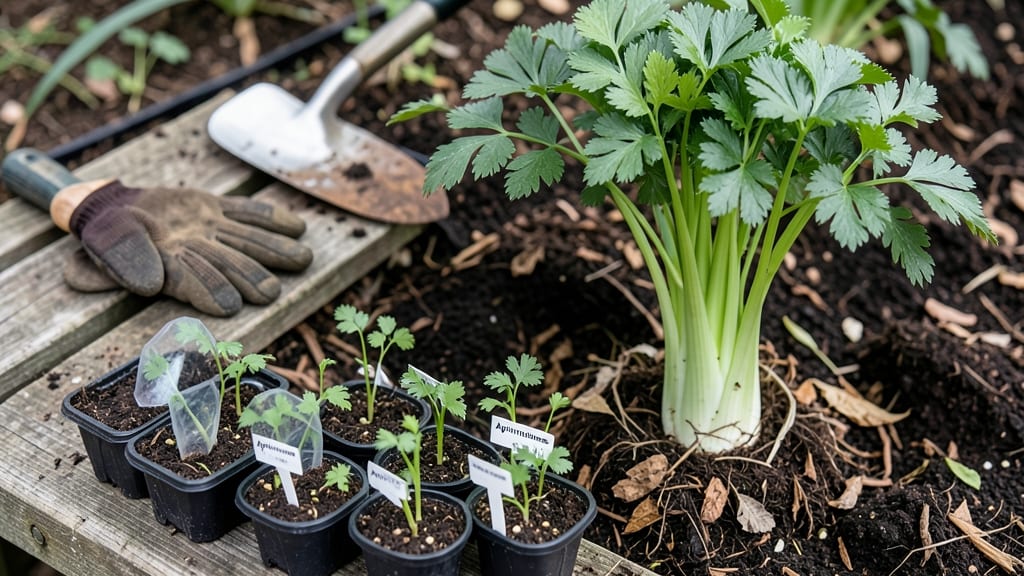
Planting celery in Ohio at the wrong time can turn your garden dreams into bitter disappointment—literally. That crisp, fresh 🥬 you crave in soups and salads needs just the right conditions, and Ohio’s unpredictable frost dates make timing everything.
Most gardeners in USDA Zone 6a (like Ohio) get their best results starting seeds indoors 8-10 weeks before the last frost—around early March for most areas. But if you’re sowing directly, wait until soil warms to 50°F, usually late April or early May.
Here’s the game-changer: late summer planting (July-August) gives you a second harvest window. By spacing out your plantings, you can enjoy fresh celery from August through October—just in time for fall recipes.
I’ll show you exactly how to avoid bolting (those tough, bitter stalks) and maximize your yield, whether you’re a beginner or a seasoned Ohio gardener. Let’s get growing!
Ohio’s celery planting window: frost dates & hardiness zones explained
Ohio’s USDA hardiness zones 5b-6b create unique challenges for growing crisp, flavorful celery. The key to success? Timing your plantings to avoid late frosts and summer bolting.
Most Ohio gardeners experience their last spring frost around April 15, but this date shifts 1-2 weeks depending on your county.
Celery seeds germinate best in soil temperatures between 60-75°F. In Ohio, this typically means waiting until late April to early May for direct sowing. However, starting seeds indoors 8-10 weeks before your last frost date gives you an earlier harvest window and better control over germination conditions.
Here’s the critical planting timeline for Ohio gardeners: your first planting should occur 4-6 weeks before your last frost date, while your final succession planting should happen no later than July 15 to ensure harvest before fall frosts arrive in mid-October.
🌱Pro Tip: Use the USDA Plant Hardiness Zone Map to find your exact last frost date. For example, Columbus (Zone 6a) has a May 1 average last frost, while Cleveland (Zone 6b) typically sees frost until April 25.
| Planting Stage | Ohio Timeline | Key Considerations |
|---|---|---|
| Indoor Start | February 15 - March 15 | 8-10 weeks before last frost; use grow lights if needed |
| Direct Sow Early | April 15 - May 1 | Soil temp ≥50°F; use row covers for frost protection |
| Succession Plant | June 15 - July 15 | For fall harvest; choose heat-tolerant varieties |
| Harvest Window | August - October | 120-150 days after planting; before hard frosts |
Ohio’s summer heat (especially in July and August) can cause celery to bolt prematurely or develop woody stalks. To combat this, I recommend planting heat-tolerant varieties like ‘Tall Utah’ or ‘Golden Self-Blancing’ for your summer succession plantings. These varieties handle Ohio’s 85-90°F temperatures better than traditional types.
Another critical factor is soil preparation. Celery thrives in well-draining, slightly acidic soil with a pH between 6.0-6.8. Before planting, amend your soil with 2-3 inches of compost and work in a 5-10-10 balanced fertilizer to provide essential nutrients for steady growth.
For gardeners in northern Ohio (Zones 5a-5b), like those in Toledo or Youngstown, you’ll need to extend your growing season using row covers or cold frames.
These protect young plants from late spring frosts and early fall frosts, giving you an extra 2-3 weeks of growing time on both ends of the season.
🌿Remember: Celery is a cool-season crop, meaning it performs best when daytime temperatures stay below 75°F. If you plant too late in summer, your celery will struggle to mature before Ohio’s first frost, which typically arrives between October 15-30 depending on your location.
To maximize your harvest, I suggest planning two planting cycles: one in early spring for summer harvest and another in mid-summer for fall harvest. This succession planting strategy ensures you have fresh celery available from late July through October, just in time for Ohio’s cooler fall months.
How to extend Ohio’s celery growing season without risking bolting
Ohio’s short growing season can feel like a race against time for celery lovers. The key to success? Strategic planting windows and protective techniques that shield tender seedlings from late frosts and summer heat.
I’ve grown celery in Ohio for years, and these methods have kept my harvests crisp and abundant—even in unpredictable years.
Your first move should be succession planting, which spreads out your harvest over months. Start with indoor seedlings in March, then transplant them outdoors after the last frost. But don’t stop there—plant another batch in late July for a fall harvest.
This two-phase approach gives you celery from August through November, just when you need it for holiday meals.
For early starts, use a cold frame or row covers to harden off seedlings and protect them from unexpected late frosts (which can hit Ohio as late as May 10).
I’ve had great luck with floating row covers—they let sunlight through while shielding plants from 28°F temperatures. Remove them once daytime temps consistently stay above 50°F.
🌱 Proven Techniques to Extend Your Celery Season
- 1. Start seeds indoors 8-10 weeks before last frost (early March) for early harvests.
- 2. Use row covers or cold frames to protect seedlings from late frosts (remove when soil warms to 50°F).
- 3. Plant heat-tolerant varieties like ‘Tall Utah’ or ‘Golden Self-Blancing’ for summer starts.
- 4. Succession plant every 3-4 weeks from March to July for continuous harvests.
- 5. Mulch heavily with straw to retain moisture and regulate soil temperature in summer.
Ohio’s summer heat can also be deadly for celery—temperatures above 85°F cause bolting (those tough, bitter stalks we all dread). To combat this, choose heat-tolerant varieties like ‘Tall Utah’ or ‘Golden Self-Blancing’.
These hold up better in Ohio’s humid summers and produce sweeter, crisper stalks. Pair them with daily shade cloth during peak heat (11 AM–3 PM) to keep leaves cool.
Don’t forget about soil temperature—celery seeds won’t germinate well in cold soil. Wait until the ground reaches 50°F before direct sowing, usually late April to early May. For a second crop, aim for July 1–15 to ensure harvests before the first frost (October 15).
I’ve found that raised beds warm up faster in spring, giving you a 2-week head start on direct-sown plants.
Finally, fertilize strategically to avoid bolting. Use a balanced 5-10-10 fertilizer every 4-6 weeks, but reduce nitrogen in late summer to prevent excessive leafy growth. Over-fertilizing with nitrogen is a common mistake that leads to woody stalks—so feed lightly in August and September to encourage crispness instead of bulk.