
How To
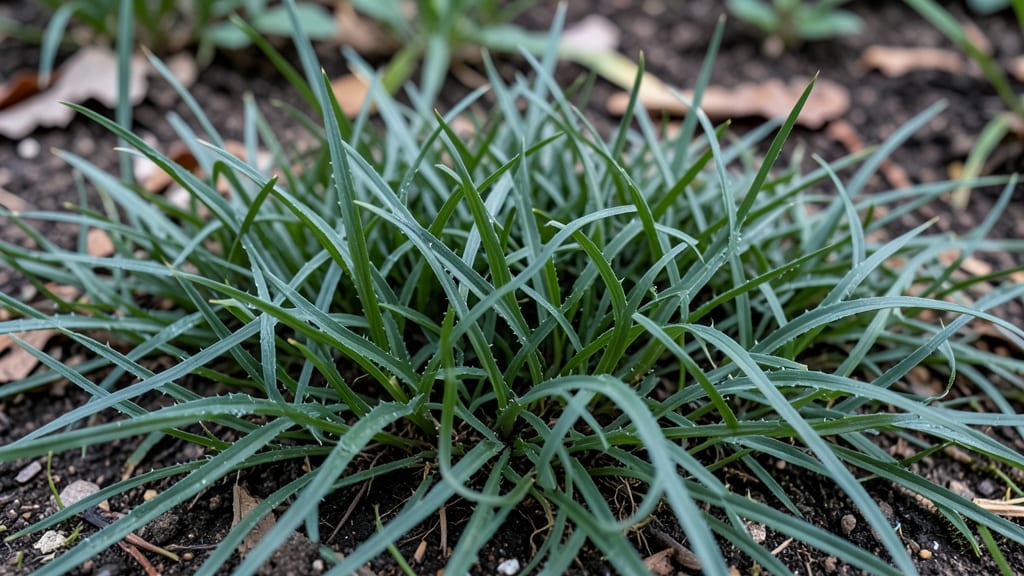
Timing your centipede grass planting in Georgia can make or break your lawn’s success—get it right, and you’ll enjoy a thick, green carpet that survives the state’s brutal heat and humidity with ease.
This isn’t just about picking a random spring month; centipede grass 🌱 thrives when soil temperatures hit 65–75°F, which in Georgia typically means waiting until late April through June.
Plant too early, and you risk weak roots or fungal issues from lingering moisture. Too late, and your grass may struggle to establish before summer’s intensity kicks in.
I’ve seen firsthand how a few weeks can mean the difference between a lawn that flourishes and one that fades. The key is understanding your local microclimate—whether you’re in the Coastal Plains or Piedmont—and adjusting for factors like rainfall and heat spikes.
Let’s break down the exact window and steps to ensure your centipede grass takes root like a pro.
You’ll discover how to prep your soil, choose between seed or sod, and even adjust for early or late starts. By the end, you’ll have a clear, actionable plan tailored to Georgia’s climate—so you can stop guessing and start growing.
Best planting months for centipede grass in Georgia (with climate zones)
Georgia’s diverse climate zones create unique challenges for centipede grass planting. The Coastal Plains (Zone 8) can start earlier than the Piedmont region (Zone 7a), where cooler nights delay ideal conditions. My rule of thumb? Wait until the soil temperature consistently hits 65–75°F—this is your green light for planting.
For seed planting, aim for late April to early May in most of Georgia. If you’re using sod, however, June is prime time because established grass handles heat better.
The humidity in Georgia during summer can be tricky—planting too early risks fungal diseases, while waiting too long stresses young roots.
Here’s the breakdown by region: North Georgia (Zone 7a) should wait until mid-May, while South Georgia (Zone 8b) can start as early as late April. The Atlanta metro area (Zone 7b) falls right in the middle, with May being ideal for both seed and sod.
Centipede grass thrives in Georgia’s heat, but it needs time to establish roots before summer’s peak. If you plant in late June or July, expect slower growth due to heat stress. Conversely, planting in August or September risks weak root development before winter dormancy sets in.
🌱
| Georgia Climate Zone | Best Planting Window | Soil Temp Threshold | Key Consideration |
|---|---|---|---|
| North Georgia (7a) | Mid-May to early June | 65–70°F | Cooler nights slow early growth |
| Central Georgia (7b) | Late April to May | 68–75°F | Balanced heat and humidity |
| South Georgia (8b) | Late April to early June | 70–78°F | Higher humidity demands faster root establishment |
| Coastal Plains (8a-8b) | Late March to May | 65–72°F | Warmer soils allow earlier starts |
If you’re planting sod, the ideal window shifts slightly—aim for June or early July when the grass has time to root before summer’s peak. Sod establishes faster than seed, but it still needs 4–6 weeks of consistent moisture to avoid browning in Georgia’s heat.
For seed planting, I recommend a two-step approach: Start seeds indoors in late March or April (if using trays) and transplant outdoors after the last frost.
This gives seedlings a head start before Georgia’s summer intensity kicks in. Just be prepared to water deeply twice daily for the first 3 weeks.
One common mistake? Planting centipede grass in September or October. While the weather may seem mild, the grass won’t have enough time to develop a deep root system before winter dormancy. This often leads to weak recovery in spring and patchy lawns.
Pro tip: Use a soil thermometer to confirm readiness. If your soil is below 65°F, wait—centipede grass roots won’t activate until the temperature rises. Patience here pays off with a thicker, greener lawn by next summer.
☀️
Critical factors that determine your exact planting date (beyond the calendar)
Georgia’s climate isn’t one-size-fits-all—your exact planting date depends on more than just the calendar. The soil temperature is your #1 guide: centipede grass roots need 65–75°F soil to thrive. Use a soil thermometer ($10 at garden centers) to check before planting.
If your soil is cooler than 65°F, wait—cold soil slows germination and invites fungal diseases like brown patch.
Don’t rely on air temperature alone. Humidity levels in Georgia can trick you—even if the air feels warm, the soil might still be chilly after morning dew.
Test it mid-morning for accuracy. Pro tip: Sod warms faster than seeds, so you can plant it 1–2 weeks earlier if using pre-grown rolls.
Rainfall forecasts are another game-changer. Centipede grass needs 1–1.5 inches of water weekly after planting, but too much rain can drown seeds. Check the 7-day forecast before planting—aim for dry-to-moderate conditions. If heavy rain is predicted, delay by 1–2 weeks to avoid waterlogged soil.
🚨
- Too Early: Soil <65°F → slow germination, fungal rot risk
- Too Late: Soil >85°F → heat stress, weak root establishment
- Late August/September: First frost (Nov 15) cuts growing season short
Your local microclimate matters too. North-facing slopes stay cooler longer, while south-facing areas heat up faster. If your yard has shady spots, plant centipede grass 2 weeks later than sunny areas—it needs full sun (6+ hours/day) to establish properly.
Before planting, run this quick