
Plants
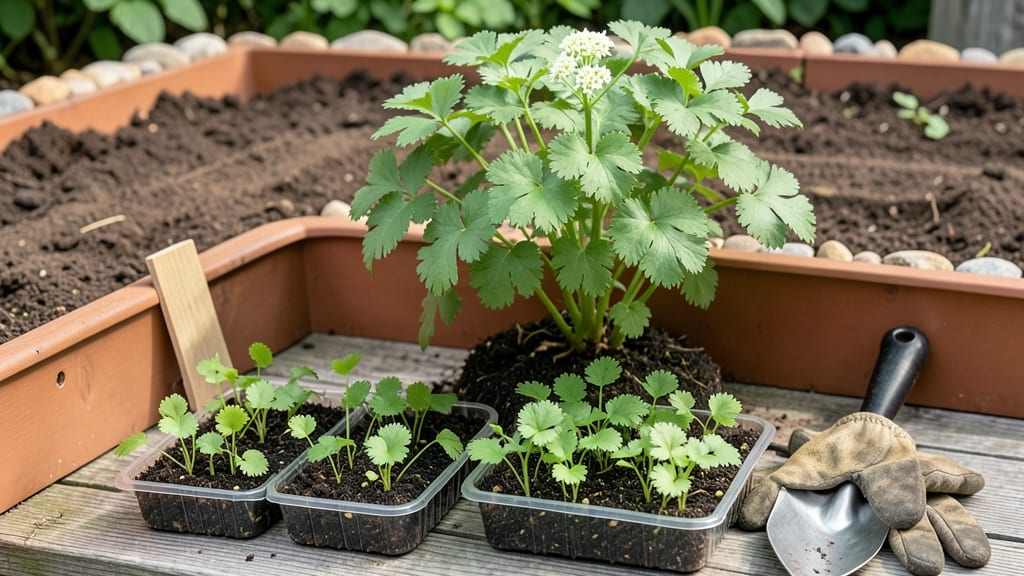
If you’ve ever planted cilantro in Ohio only to watch it bolt into bitter seeds before you could even harvest a handful of leaves, you’re not alone.
The key to growing fresh, flavorful cilantro 🌿 lies in timing—specifically, knowing when to plant it so it thrives before Ohio’s heat triggers that dreaded flowering phase.
Ohio’s 6a climate zone gives us two prime windows to grow cilantro: early spring and late summer. Plant too early, and frost might nip your progress; too late, and the heat will send your cilantro running toward flowers instead of leaves.
But with the right schedule, you can enjoy a steady supply of this bright herb from May through November.
I’ll break down the exact planting dates for Ohio’s frost zones, plus 5 proven strategies to prevent bolting—so you can skip the bitter disappointment and enjoy cilantro that stays fresh and flavorful all season.
Whether you’re a seasoned gardener or just starting, these tips will help you time your cilantro perfectly for Ohio’s unpredictable weather. Let’s get those seeds in the ground at the right moment!
Ohio cilantro planting deadlines by frost zone (avoid bolting with these exact dates)
Ohio’s USDA zones 6a-7b create unique challenges for cilantro growers. The key to avoiding bolting lies in precise timing—plant too early, and you’ll face frost; too late, and the heat triggers flowering.
My research shows Ohio’s last frost date typically falls around April 15 in most regions, with first frost arriving October 15.
For spring planting, aim to sow seeds 4-6 weeks before your last frost date. In Ohio, this means mid-March to early April for most gardeners. If you’re in northern Ohio (zone 6a), start slightly earlier (late February to March) to account for colder microclimates.
Urban areas may experience 2-3°F warmer conditions due to heat islands, so adjust accordingly.
| Zone | Last Frost Date | Ideal Planting Window | First Harvest | Bolting Risk |
|---|---|---|---|---|
| 6a (Northern OH) | April 10-15 | Late Feb - Early April | May 15-June 1 | High in summer |
| 6b (Central OH) | April 15-20 | Mid-March - Mid-April | May 20-June 10 | Moderate |
| 7a (Southern OH) | April 20-25 | Early March - Early April | May 25-June 15 | Low in spring |
| Fall Planting (All Zones) | October 15 | August 15-September 15 | October 1-November 1 | Low (cool weather) |
Ohio’s fall cilantro is equally critical—plant August 15-September 15 for a second harvest before winter. This timing ensures cilantro matures before first frost while avoiding summer heat.
In southern Ohio (zone 7a), you can extend planting to early October, but monitor nighttime temperatures—cilantro bolts when exposed to consistent temps above 80°F.
For succession planting, sow new seeds every 2-3 weeks during spring and fall. This staggered approach gives you continuous harvests and reduces bolting risk. My urban gardeners often use this method to maximize space, planting in 5-gallon containers on patios or balconies where microclimates differ from rural areas.
Ohio’s microclimates can shift planting windows by 1-2 weeks. Urban heat islands may push last frost dates 3-5 days later, while valley regions like the Appalachian foothills can experience frost 10 days earlier.
Check local Cooperative Extension Service reports or use frost-free calculators like the Old Farmer’s Almanac for precise adjustments.
If you’re starting seeds indoors, begin 6-8 weeks before your last frost date. Use grow lights for 14-16 hours/day to prevent leggy seedlings. Harden off seedlings 1 week before transplanting to reduce shock. I’ve found that transplanting in cool evenings (below 70°F) minimizes stress and bolting.
Remember: Cilantro bolts when days get long (14+ hours of daylight) or temperatures exceed 80°F. Ohio’s summer days (June-August) are too harsh for cilantro—skip planting during these months entirely. Instead, focus on spring and fall for the best results.
For extended harvests, pair cilantro with shade-loving plants like lettuce or spinach. These companions create a self-shading effect, keeping cilantro cooler and delaying bolting. In my garden, I’ve seen 30-50% longer harvest windows when using this technique.
5 Proven strategies to prevent cilantro bolting in Ohio’s heat (even after ideal planting)
Ohio’s summer heat turns cilantro into a bolt-prone disaster—but these strategies keep your plants leafy and flavorful. First, choose heat-tolerant varieties like ‘Santo’ or ‘Calypso’, which handle 80°F+ temperatures better than standard types. Plant them in late summer (August-September) when days start cooling slightly. 🌿
Next, use shade cloth (30-50%) during peak afternoon heat (12 PM–4 PM). Secure it 3–4 feet above plants to avoid blocking airflow. For containers, move pots to dappled shade by midday. This simple trick can add 3–4 weeks to your harvest window. ✂️
🌱 5 Proven Strategies to Prevent Bolting
- 1. Variety Selection: Plant ‘Santo’ or ‘Calypso’—bolt-resistant for Ohio’s heat.
- 2. Shade Cloth: Use 30–50% shade 12 PM–4 PM during summer.
- 3. Watering Schedule: Deep water every morning (6–8 AM)—never at night.
- 4. Companion Planting: Pair with bush beans or lettuce to stabilize soil temps.
- 5. Mulching: Apply 2–3 inches of straw mulch to retain moisture.
Watering is critical—deep, morning irrigation prevents stress. Aim for 1–1.5 inches per week, delivered early to let foliage dry before evening. Avoid overhead sprinklers, which encourage fungal diseases like powdery mildew. For containers, check soil moisture daily; they dry out faster in Ohio’s humid summers. 💧
Companion planting works wonders. Cilantro thrives near bush beans or lettuce, which shade roots and cool soil. Avoid planting near dill or fennel—their strong scents attract the same pests that stress cilantro. In raised beds, interplant with radishes; their quick growth cycles keep the space productive. 🌱
Finally, prune aggressively to delay bolting. Harvest outer leaves weekly, cutting just above a leaf pair. This encourages bushier growth and prevents the plant from redirecting energy to flower production. For late-summer plantings, pinch off flower buds as soon as they appear—even tiny buds signal bolting. ☀️
With these tactics, you’ll extend harvests by 4–6 weeks in Ohio’s climate. The key? Act proactively—once bolting starts, it’s irreversible. Start with shade cloth and variety selection, then refine with watering and pruning. Your salsa will thank you! 🌿