
Plants
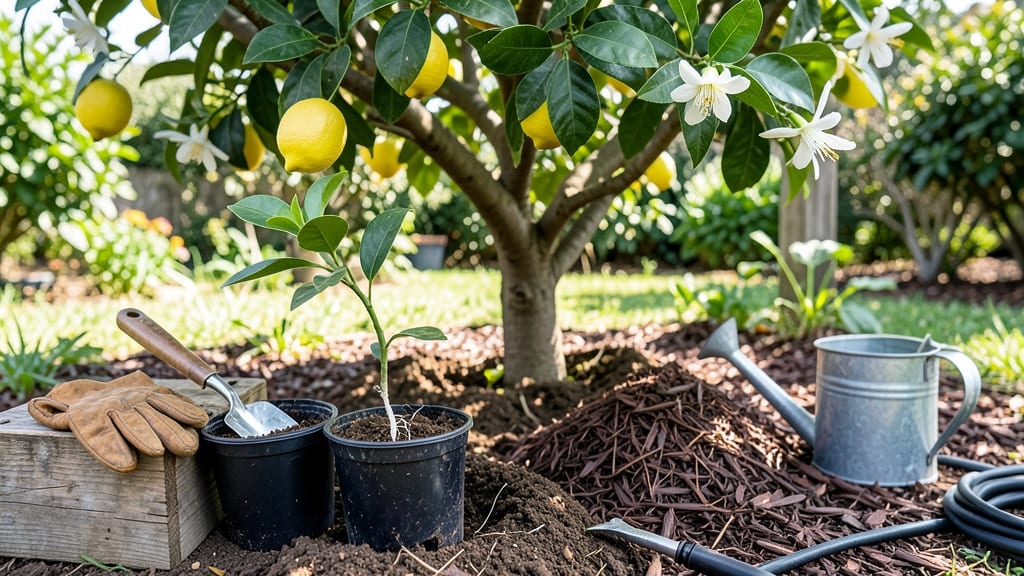
Planting citrus 🍊 in Arizona might seem like a no-brainer—after all, who doesn’t love fresh lemons and oranges year-round? But timing is everything, and getting it wrong could mean struggling with stunted growth or even losing your tree to unexpected frost.
Most gardeners know the best window for planting citrus is during Arizona’s cooler months, but what does that really mean? If you’ve ever wondered why your neighbor’s Meyer lemon tree thrives while yours barely survives, the answer likely lies in when—and how—you planted it.
The key is avoiding the harsh summer heat and leveraging the mild winter months when the soil is just right.
In this guide, I’ll break down the optimal months for planting citrus in Arizona’s unique climate zones, from Phoenix’s scorching low desert to Tucson’s slightly cooler high desert.
You’ll also discover how to prepare your soil, choose the right varieties, and give your tree the best shot at thriving in the desert environment.
Whether you’re a first-time citrus grower or a seasoned gardener looking to expand your orchard, these insights will help you plant with confidence—so you can enjoy homegrown fruit for years to come.
Best months to plant citrus trees in Arizona’s climate zones
Arizona’s diverse climate zones—from the scorching Low Desert to cooler High Desert and Mountain Regions—create unique planting windows for citrus. In the Low Desert (Phoenix, Tucson), where winter temps hover around 50-70°F, November through February offers ideal conditions.
Meanwhile, High Desert (Flagstaff, Prescott) gardeners should plant between March and May to avoid late frosts. Mountain regions like Sedona have even shorter windows, typically May to June, when soil warms enough for root growth.
Citrus trees thrive when planted during cooler months to reduce transplant shock. The monsoon season (July-September) is a no-go—excessive heat and humidity stress young roots. Instead, aim for fall or early spring, when daytime temps stay below 85°F and rainfall is minimal.
This timing ensures steady moisture for root establishment without fungal risks.
For container-grown citrus, like Meyer lemons or Calamondins, you can extend the window slightly into late March in the Low Desert. However, avoid planting after April 15—rising temps and dry winds increase transplant shock and sunburn risk.
Dwarf varieties adapt faster but still need protection from 11 AM to 3 PM sun during their first summer.
🌱
Citrus varieties also influence timing. Meyer lemons and Calamondins tolerate cooler temps better than Valencia oranges or Ruby Red grapefruits. In the Low Desert, I’ve seen Meyer lemons planted as late as March 1 thrive, while grapefruits struggle if planted after February 15.
Always check the USDA Zone 9b frost dates—even Arizona isn’t frost-free year-round!
Pro tip: Bare-root citrus (sold without soil) can handle cooler temps and should be planted in November or December. Container-grown trees, however, need warmer soil—wait until January in the Low Desert or April in the High Desert.
Amend the planting hole with compost and sand to improve drainage, a must in Arizona’s alkaline soils.
After planting, prioritize deep watering every 5–7 days for the first month. Avoid overhead watering to prevent fungal diseases like citrus scab. Instead, use a drip irrigation system or soaker hose to deliver water directly to the roots.
Mulch with 3–4 inches of wood chips to lock in moisture and regulate soil temps.
💧
Monitor your tree’s progress closely. If new growth appears yellow or wilted within weeks of planting, it’s a sign of transplant shock or root rot. Adjust watering immediately—citrus trees in Arizona need consistent moisture but hate soggy roots.
In container gardens, expect to water every 3–5 days in summer, while in-ground trees may only need watering every 10–14 days once established.
Finally, protect young trees from desert winds and intense afternoon sun with a shade cloth (30–50%) during their first summer. This simple step can mean the difference between a thriving citrus tree and a sunburned sapling.
With the right timing and care, your Arizona citrus will reward you with year-round harvests for decades.
Critical factors that determine your planting timeline
Arizona’s mild winter months may seem ideal for citrus planting, but several critical factors can make or break your tree’s success. The most important? Soil temperature—citrus roots need warm soil (at least 60°F) to establish properly.
Planting too early in cool months can shock roots, while waiting too long risks summer’s intense heat and drought stress.
Another game-changer is frost risk. Even in Arizona, unexpected frosts can hit high desert areas like Flagstaff or Prescott, where temps dip below 28°F. Citrus is frost-sensitive, so timing your planting to avoid late-winter frosts (typically after January 15) is crucial.
In Phoenix or Tucson, frost is rare, but heat waves in late spring can stress young trees.
Your chosen citrus variety also dictates timing. Meyer lemons and calamondins tolerate cooler temps better than grapefruits or oranges, which need warmer soil to thrive. For example, grapefruits should never be planted before mid-November in cooler high-desert zones, while lemons can handle slightly earlier planting in Phoenix.
Don’t overlook rainfall patterns. Arizona’s summer monsoons (July-September) can drown young citrus roots if planted too late. Aim to plant 4-6 weeks before the monsoon season starts to give roots time to settle without waterlogging. Conversely, planting in dry winter months ensures steady moisture for root growth.
⚠️ Avoid These Timing Mistakes
Planting in summer: Young trees can’t handle 110°F+ soil—roots burn and growth stalls. Result: Transplant shock and death.
Ignoring frost dates: Even Phoenix can see 30°F in January. Result: Frost damage to new growth.
Skipping soil prep: Arizona’s alkaline clay soil needs amendments. Result: Poor drainage and root rot.
Finally, consider container planting if your yard isn’t ideal. Potted citrus can be planted anytime soil temps are safe (60°F+), but you’ll need to protect pots from frost in winter.
Use black plastic pots to absorb heat and move containers to sheltered areas during cold snaps. This flexibility lets you plant earlier or later than in-ground trees.
By weighing these factors—soil temp, frost risk, variety tolerance, and monsoon timing—you’ll pinpoint the perfect window for your Arizona citrus to thrive. Next, we’ll dive into soil prep to ensure your tree’s roots have the ideal foundation for growth.