
Plants
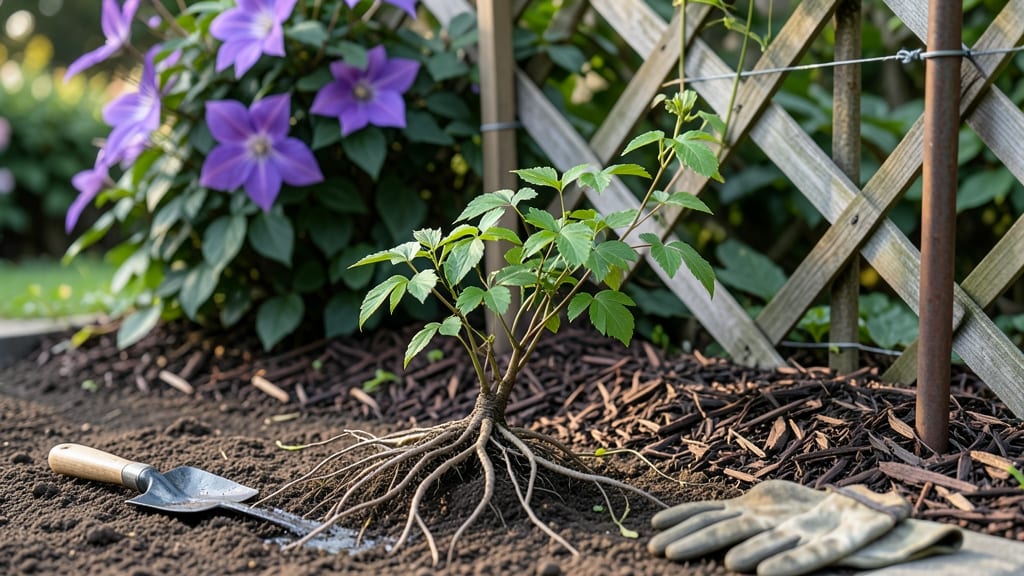
Timing your clematis planting in Indiana could mean the difference between a vibrant, blooming vine and one that struggles to survive the first winter. With USDA Zone 5b-6b frost dates that can shift unpredictably, knowing exactly when to plant your 🌸 clematis is crucial for root establishment.
Most gardeners in Indiana swear by early spring planting—between March and April—when soil temperatures rise above 40°F. But fall planting in September also works if you want to avoid late-spring heat stress. The key is beating the first frost while giving roots time to settle before winter.
In this guide, I’ll break down the perfect planting windows for your hardiness zone, plus soil prep tips tailored to Indiana’s climate. You’ll learn how to read frost forecasts, adjust for microclimates, and choose the right clematis varieties for your growing season.
Skip the guesswork—let’s get your clematis off to the best possible start with timing that works for Indiana’s unpredictable weather. Your future blooms will thank you!
Indiana’s best planting windows for clematis by hardiness Zone
Indiana’s USDA Zones 5b-6b create a unique challenge for clematis planting—too early, and frost zaps tender roots; too late, and summer heat stresses young vines. The key is planting when soil temperatures hit 50°F (10°C) and staying ahead of Indiana’s average last frost date of April 15.
Most gardeners in Zone 6 (southern Indiana) can plant 2-3 weeks earlier than those in Zone 5 (northern Indiana).
For bare-root clematis, aim for early spring (March-April) when roots can establish before summer heat. Container-grown clematis offers more flexibility—plant them anytime soil isn’t frozen, even into late spring (May), but expect slower establishment.
Fall planting is riskier in Indiana due to early frost threats, but it’s possible in Zone 6 if planted by mid-September.
Soil temperature is your best indicator—use a soil thermometer to confirm 50°F (10°C) at 4-inch depth. In northern Indiana (Zone 5b), this typically aligns with late April, while southern Indiana (Zone 6b) may see ready soil by mid-April.
Rushing can lead to root rot or winterkill, so patience pays off.
Here’s how Indiana’s zones break down for clematis planting:
| Zone | Best Planting Window | Soil Temp Threshold | Frost Risk | Notes |
|---|---|---|---|---|
| 5b (Northern IN) | Late April–Early May | 50°F (10°C) | High (last frost: April 15) | Prioritize early spring; avoid fall planting. |
| 6a (Central IN) | Mid-April–Early May | 50°F (10°C) | Moderate (last frost: April 5) | Fall planting possible by mid-September. |
| 6b (Southern IN) | Early April–Late May | 50°F (10°C) | Low (last frost: March 25) | Flexible timing; container plants thrive. |
If you’re planting bare-root clematis, soak roots in lukewarm water for 2-4 hours before planting to reduce transplant shock. Dig a hole twice as wide as the root ball but only 4-6 inches deep—clematis roots need room to spread horizontally, not bury deeply.
Mix compost or well-rotted manure into the native soil to improve drainage, a critical factor in Indiana’s clay-heavy soils.
For container-grown clematis, timing is less critical, but avoid planting after June 1—vines planted too late may not establish roots before winter. Gently loosen the root ball before transplanting to encourage root spread.
Water deeply immediately after planting to eliminate air pockets and reduce stress. Mulch with 2-3 inches of organic mulch (like shredded bark) to retain moisture and protect roots from Indiana’s temperature swings.
Pro tip: In Zone 5b, consider straw mulch in early spring to warm soil faster—this can shave 1-2 weeks off your planting timeline. Just remove it once soil reaches 50°F (10°C) to avoid overheating roots.
For Zone 6b gardeners, fall planting (by September 15) gives vines time to establish roots before winter, but monitor frost forecasts closely.
Remember, clematis in Indiana needs a strong first year to handle winter dormancy.
If you plant in late spring (May-June), focus on watering deeply and protecting from heat stress—these vines won’t bloom heavily their first year but will reward you with vibrant flowers in Year 2 if given proper care.
🌱
Indiana’s best planting windows for clematis by hardiness Zone
Indiana’s USDA Zones 5b-6b create unique challenges for clematis planting, with last frost dates that can vary by 2-3 weeks across the state. In northern Indiana (Zone 5b), aim for planting between April 15-30, while southern Indiana (Zone 6b) gardeners can start as early as March 15.
Soil temperature is your best guide: clematis roots need consistent temps above 40°F to establish. Use a soil thermometer to confirm—planting in cold, wet soil delays root growth and invites rot. In my Zone 6a garden, I wait until late April when soil hits 50°F for 5+ days.
Fall planting in early September is ideal for Indiana’s climate. This gives roots 6-8 weeks to settle before first frost (mid-October). Just avoid planting after September 15, as new growth may not harden off before winter.
| Zone | Spring Planting Window | Fall Planting Window | Soil Temp Threshold | Key Consideration |
|---|---|---|---|---|
| 5b (Northern IN) | April 15-30 | Early September | 50°F+ for 5+ days | Wait for last frost confirmation |
| 6a (Central IN) | March 20-April 15 | Late August-Sept 10 | 45°F+ for 3+ days | Urban areas may need 1-2 weeks later |
| 6b (Southern IN) | March 15-April 10 | Sept 1-15 | 40°F+ for 5+ days | Early bloomers thrive here |
Container-grown clematis offer flexibility for late plantings—they establish 2-3 weeks faster than bare-root vines. If you miss spring, opt for 4-inch pots and plant until May 15, though expect delayed first-year blooms.
Indiana’s microclimates matter: urban areas like Indianapolis often experience 2-3°F warmer soils than rural zones. Check local Almanac frost forecasts and adjust your timeline by 1 week if your yard is sun-exposed or south-facing.
Pro tip: Plant bare-root clematis in early spring when roots are dormant but soil is workable. For container-grown varieties, late spring works too—just water deeply for the first 2 weeks to reduce transplant shock.