
Plants
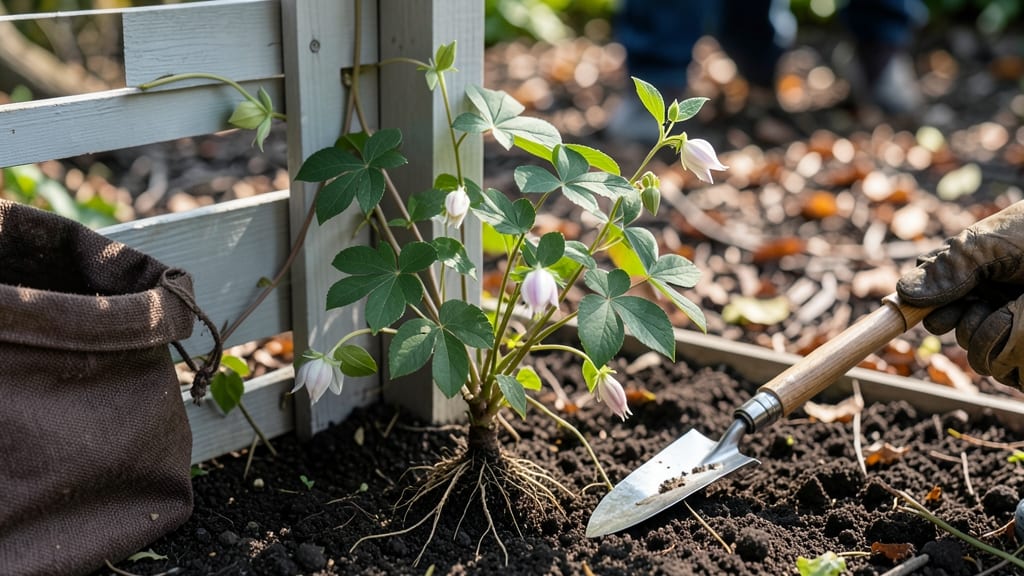
If you're dreaming of vibrant blooms and lush vines in your Zone 8 garden, getting the timing right for planting clematis 🌸 could make all the difference.
This fast-growing climber thrives when planted at just the right moment—too early, and frost might damage tender roots; too late, and it struggles to establish before summer heat hits.
Most gardeners in Zone 8 swear by late winter to early spring as the sweet spot for planting clematis, aligning with soil temperatures that encourage strong root growth.
But did you know fall planting can also work—if you time it right? The key is understanding how your local microclimate affects frost dates and soil conditions.
Whether you're planting in the ground or containers, proper preparation is everything. We'll cover how to choose the best window, prep your soil, and even when to prune for maximum blooms next season. Let’s dive into the best strategies for a clematis that flourishes from day one.
From avoiding common mistakes to leveraging container planting for flexibility, this guide will help you set your clematis up for success—no matter which season you choose. Ready to transform your garden with these stunning climbers?
Best planting times for clematis in Zone 8: spring vs fall compared
In Zone 8, your clematis planting success hinges on two key windows: early spring (February-March) and fall (October-November). Both offer advantages, but timing must align with your local last frost date (typically mid-February) and soil temperatures (ideal when above 45°F).
Spring planting gives vines a full growing season, while fall planting allows roots to establish before winter dormancy.
For spring planting, aim to get clematis into the ground 4-6 weeks before your last frost. This gives roots time to establish before summer heat arrives. In Zone 8, this usually means February to early March.
Fall planting, on the other hand, should occur 6-8 weeks before your first frost (around mid-November), allowing roots to settle before winter.
Here's the critical comparison between spring vs fall planting for clematis in Zone 8:
When choosing between seasons, consider your clematis variety. Early bloomers like 'Jackmanii' thrive with spring planting, while late bloomers such as 'Nelly Moser' can handle fall planting better. Always check your specific variety's cold hardiness—some Zone 8 varieties tolerate winter better than others.
For both seasons, soil preparation is key. Clematis roots need well-draining soil with organic matter mixed in. In Zone 8's heat, mulching with 3-4 inches of compost helps retain moisture while protecting roots. Avoid planting when soil is waterlogged or frozen—this stresses young roots and delays growth.
Microclimates within Zone 8 can shift ideal planting windows by 2-4 weeks. Coastal areas with milder winters may extend fall planting into December, while inland regions should finish by early November. Use a soil thermometer to verify temperatures—roots won't establish well below 45°F.
One often-overlooked factor is pruning timing. If planting in spring, avoid heavy pruning until after the first flush of blooms. For fall-planted clematis, minimal pruning is best—just remove dead or damaged stems. This lets the plant focus energy on root development rather than regrowth.
Container planting extends your window slightly. Potted clematis can be planted 2-3 weeks later than in-ground plants since containers warm up faster. Just ensure your container has drainage holes and use a lightweight potting mix to prevent root rot during Zone 8's summer heat.
Remember: Zone 8's long growing season gives you flexibility, but don't wait until late spring (April+) to plant—this reduces first-year blooms. Similarly, planting too late in fall (after November 15) risks frost damage before roots establish.
🌸
Best planting times for clematis in Zone 8: spring vs fall compared
In Zone 8, clematis thrives when planted during two optimal windows: early spring and fall. The key difference? Soil temperature and frost risk.
Spring planting (March-April) gives roots time to establish before summer heat, while fall planting (October-November) avoids summer stress but requires careful timing to prevent winter damage.
For spring planting, aim for when soil temps reach 50°F (10°C)—typically late February to early March in Zone 8. This aligns with your last frost date (mid-February) and ensures roots won't freeze.
Fall planting, however, demands more precision: plant 6-8 weeks before first frost (mid-November), usually by early October.
| Factor | Spring Planting (March-April) | Fall Planting (October) |
|---|---|---|
| Soil Temperature | 50-60°F (10-15°C) | 55-65°F (13-18°C) |
| Frost Risk | Low (after mid-February) | Moderate (6-8 weeks before frost) |
| Growth Advantage | Full summer to establish roots | Avoids summer heat stress |
| Watering Needs | High (spring rains help) | Moderate (cooler temps reduce evaporation) |
| Best For | Early bloomers (Group 1) | Late bloomers (Groups 2-3) |
Zone 8's microclimates can shift planting windows by weeks. If you live in a cooler microclimate (e.g., near water), delay spring planting until April to avoid late frosts.
Conversely, in warmer microclimates (e.g., urban heat islands), you might plant clematis as early as February—just monitor soil temps with a soil thermometer.
For container planting, timing flexibility increases. You can plant clematis in containers from March through May in Zone 8, as pots warm up faster than garden soil. Just ensure your container has drainage holes and use a well-draining potting mix to prevent root rot during summer's heat.
Pro tip: If you miss both windows, bare-root clematis can handle fall planting until December in Zone 8's mild winters. Just mulch heavily (4-6 inches) to insulate roots. For potted plants, bring containers indoors or wrap them in burlap during hard freezes (28°F/-2°C).
Remember: Clematis roots hate heat stress. Spring planting gives them a 6-month head start to establish before summer's intensity, while fall planting skips summer entirely. Choose based on your local frost dates and summer heat patterns—both matter more than the calendar month.