
Plants
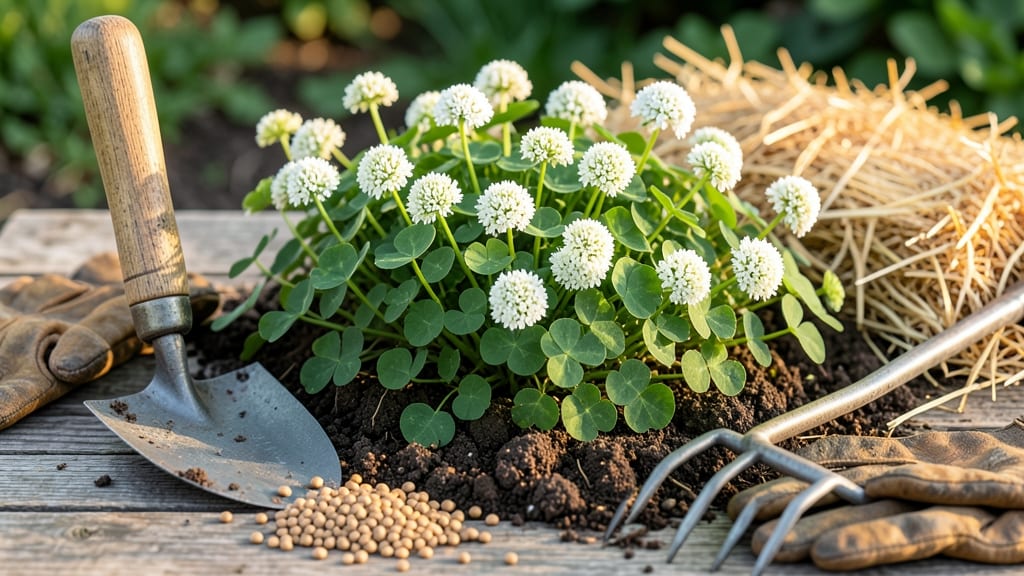
If you're wondering when to plant clover in Indiana, timing is the secret to lush, nitrogen-rich ground cover that thrives all season long.
Indiana's USDA Zone 6a climate means you've got two prime windows—early spring and early fall—where clover seeds have the best shot at establishing strong roots before summer heat or winter frost sets in.
Most gardeners in Indiana plant clover between March and April for spring growth, but fall planting in September or October gives your soil a head start for next year.
The key is planting after the last frost (around April 15) or about 4-6 weeks before the first frost in fall, so the seeds can germinate in warm soil without racing against time.
Why does this matter? Clover isn't just pretty—it's a game-changer for soil health, suppressing weeds naturally while adding organic matter. But plant it too early, and frost will kill your seedlings. Too late, and summer drought can stunt growth before it even starts.
In this guide, I'll break down the exact frost-free window for your region, soil temperature triggers, and the best clover varieties for Indiana's climate. Let's get your lawn or garden prepped for success—without any guesswork.
Optimal Indiana clover planting dates based on frost timing
Indiana's USDA Zone 5-6 climate creates two ideal windows for planting clover: early spring and early fall. Timing matters because clover seeds need consistent soil temperatures between 50-65°F to germinate properly. Planting too early risks frost damage, while waiting too late can stunt growth before winter sets in.
For spring planting, aim to sow seeds 2-4 weeks after your last frost date. In Indiana, this typically falls between mid-March and early April in southern regions and late April in northern areas.
The exact date depends on your microclimate—urban areas may warm faster than rural spots.
For fall planting, clover thrives when seeded 4-6 weeks before the first frost. This usually means late August to mid-September in Indiana. Fall-sown clover establishes roots before winter, giving you an early spring advantage the next year.
Here’s how Indiana’s regional frost averages break down for clover planting:
Pro tip: Use a frost calendar or local weather app to track nighttime lows. Clover seeds won’t germinate if soil temps drop below 45°F, even if daytime temps are warm. If you’re unsure, wait until soil thermometers confirm consistent warmth.
For lawn clover mixes, like Dutch white clover, plant in early fall for best establishment. If overseeding an existing lawn, aim for September when grass is actively growing but before cool-season weeds take over.
In northern Indiana, where frosts linger later, consider cover crop blends with winter rye to protect clover seedlings. These blends add insulation and nutrient competition from weeds, giving clover a head start.
Always test your soil before planting. Clover prefers slightly acidic to neutral pH (6.0-7.0). If your soil is too alkaline, amend it with sulfur or peat moss 4-6 weeks before sowing to avoid phosphorus lockup, which stunts clover growth.
Remember: Spring planting gives you summer blooms, while fall planting ensures early spring greening. Choose based on your gardening goals—whether it’s nitrogen fixation, pollinator support, or lawn enhancement.
Soil temperature requirements for clover germination in Indiana
Clover seeds need warm soil to germinate, and Indiana’s 50–65°F range is ideal for most varieties. If your soil is too cold (45°F), seeds may rot; too hot (75°F+), and they’ll dry out before sprouting.
The key is planting when soil temps consistently stay in that sweet spot—usually late April to early May for spring or mid-September for fall.
To check your soil temperature, use a soil thermometer (insert 2–3 inches deep). If it’s below 50°F, wait a week or two—clover won’t germinate in cold soil. Pro tip: Black plastic mulch can warm soil by 5–10°F if you’re planting early and need a boost.
Northern Indiana (USDA Zone 5b) often has cooler soils than Southern Indiana (Zone 6a). In colder areas, aim for late April or early May when soil temps stabilize. In warmer southern regions, you might start as early as mid-April without risking frost damage.
If your soil is too cold, try covering seeds lightly with straw to retain heat. For hot soil, plant in shaded areas or water deeply before sowing to cool the ground. Remember: Consistency is key—clover seeds need moist, warm soil for 7–10 days to sprout reliably.
For fall planting, aim for 6–8 weeks before frost (usually mid-September). This gives seeds time to germinate and establish roots before winter dormancy. Test your soil’s moisture too—dry soil in fall can stall germination, so water lightly after planting.
One common mistake? Planting too deep. Clover seeds need only 1/4-inch coverage. Bury them deeper, and they’ll struggle to break through the soil. Use a light rake to scratch the surface and press seeds in gently.