
Plants
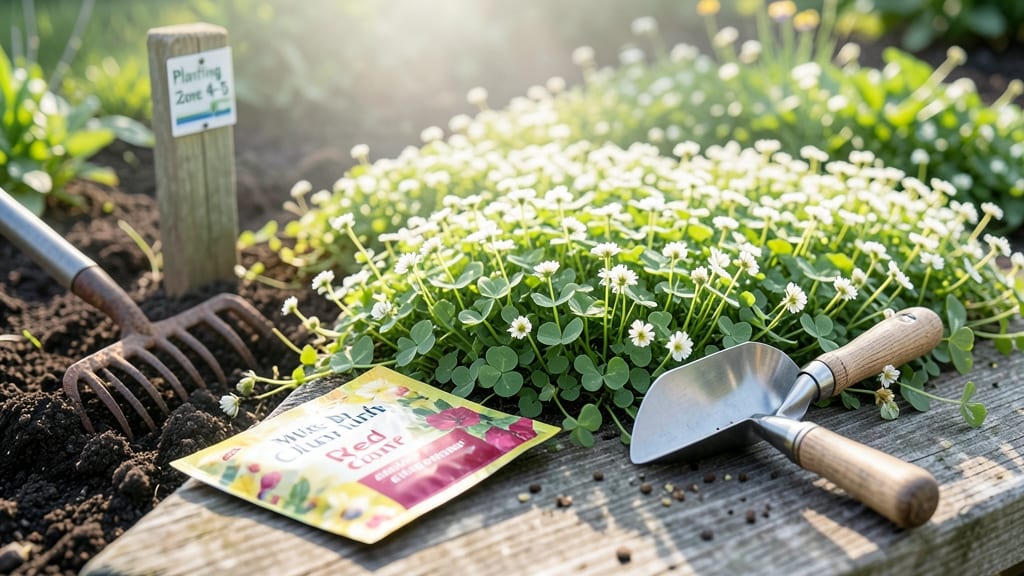
Timing your clover planting in Iowa right means the difference between a thriving green cover crop and a frustrating second try. With Iowa's 5a-5b climate, getting the window wrong can leave your seedlings vulnerable to late frosts or summer heat—both common pitfalls for new growers.
Most gardeners in Iowa plant clover in early spring (March-April) or early fall (August-September), but the real secret lies in understanding your specific frost dates.
Whether you're in northern Iowa where frosts linger longer or southern Iowa with earlier warm-ups, knowing when to seed ensures your 🌱 clover establishes strong roots before summer stress sets in.
In this guide, I'll break down exactly when to plant based on Iowa's four key zones, plus pro tips for adjusting to unpredictable weather.
You'll learn how to read frost forecasts, choose the right varieties for your area, and even beat Iowa's notorious late spring freezes—so you can grow clover like a local, not a guesser.
Ready to stop second-guessing and start planting with confidence? Let's dive into the timing that works for Iowa's unique growing conditions.
Iowa’s 4 planting zones for clover: frost dates and ideal timing
Iowa’s four distinct USDA planting zones (4a-5b) create unique frost windows for clover. Understanding these zones is critical because soil temperature and last frost dates vary dramatically from northern Iowa to the southern border.
For example, Dubuque in Zone 4a typically sees its last frost around April 25, while Des Moines in Zone 5a averages April 10. These differences mean a 3-week planting window shift across the state.
Clover thrives when planted 30-45 days before summer heat sets in (around June 1 in most of Iowa). This timing ensures seedlings establish roots before soil temperatures exceed 75°F, which can stress young plants.
For northern Iowa, aim for late April to early May, while southern Iowa gardeners should plant mid-April to late April to avoid early heatwaves.
Here’s how to use Iowa’s zones to pinpoint your perfect planting window:
For fall planting (August-September), focus on soil temperatures dropping below 70°F and 6-8 weeks before first frost.
Southern Iowa can plant as late as September 15, while northern areas should finish by September 1 to avoid early freezes. Ladino clover varieties handle fall planting best due to their cold tolerance.
Always check local almanac records for the past 5 years—your microclimate may differ from the zone average. For example, river valleys in Iowa often experience 2-3 warmer days per year than surrounding areas, delaying frost by 5-7 days.
Use a soil thermometer to confirm temperatures before planting; clover seeds won’t germinate below 45°F.
Pro tip: Plant white Dutch clover in northern Iowa for its cold-hardiness, while red clover thrives in southern Iowa’s warmer zones. Adjust seeding rates too—northern zones need 10-15 lbs/acre, while southern zones can use 8-12 lbs/acre due to faster growth.
Remember, Iowa’s frost dates shift yearly. The National Weather Service updates 30-year averages every decade, so always verify current data. For 2024 planting, check the Iowa State University Extension for real-time frost predictions—this ensures your clover gets the perfect 30-45 day establishment window before summer heat arrives.
🌱
Spring vs fall planting in Iowa: which works best for clover?
Deciding between spring and fall planting for clover in Iowa depends on your specific goals and local climate risks. Both seasons offer advantages, but Iowa’s unpredictable frost dates and regional microclimates can dramatically impact success. Let’s break down which season works best for your clover field.
For most Iowa growers, spring planting (March-April) is the safest bet. This aligns with the last average frost date of April 15, giving seedlings time to establish before summer heat sets in.
However, northern Iowa’s colder microclimates may benefit from slightly earlier spring planting (late February to early March) for cold-hardy varieties like 'Dixie' clover.
Spring Planting (March-April)
- Longer growing season before winter
- Easier to monitor soil temps
- Better for warm-season varieties
- Risk of late frosts in April
- Competition with weeds
- Requires consistent moisture
On the other hand, fall planting (August-September) can be ideal for northern Iowa where summers are shorter. Planting in early fall allows clover to establish roots before winter, giving it a head start in spring.
However, southern Iowa’s hotter summers make fall planting riskier due to early October frosts that can damage young seedlings.
For northern Iowa (USDA zones 4a-4b), fall planting often outperforms spring. The cooler temperatures reduce weed competition, and established roots handle winter better. In southern Iowa (zones 5a-5b), spring planting is usually the safer choice to avoid early fall frosts that can kill tender seedlings.
My top recommendation? If you’re in northern Iowa, try both seasons—spring for maximum yield and fall for early establishment. For southern Iowa, stick with spring planting unless you’re using cold-hardy varieties like 'Ladino' clover, which can handle fall’s chill better than most.
Regardless of season, always check 7-day frost forecasts before planting. A sudden late frost can turn your clover field into a sad, brown memory instead of a thriving green cover crop. 🌱