
Plants
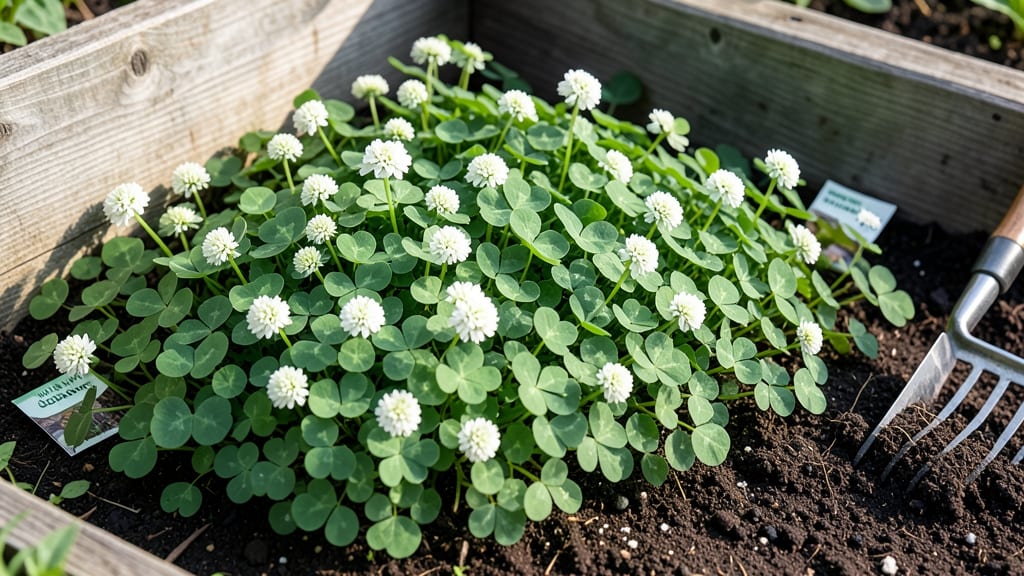
If you're wondering when to plant clover in Maryland, timing is everything—especially with our unpredictable spring weather. The right window ensures your 🌱 clover thrives as a cover crop, lawn enhancer, or pollinator magnet, while the wrong timing could leave you battling weeds or slow growth.
Maryland’s USDA zones 6b-7a mean you’ve got two prime chances: early spring (March-April) or early fall (September-October). But here’s the secret: planting after your last frost date (mid-April for most areas) gives clover the warm soil it craves to germinate in just 5-10 days—no guessing games.
Whether you’re aiming for a lush lawn or soil health, I’ll break down the exact frost-date hack that works for Maryland’s climate. You’ll learn how to prep your soil, avoid common pitfalls, and get your clover off to a fast start—because once it’s established, it’s nearly maintenance-free.
Let’s skip the trial-and-error and dive into the most efficient planting strategy for your region. Your future lawn—or cover crop—will thank you.
Maryland’s ideal clover planting windows by frost dates
Timing your clover planting in Maryland hinges on two critical factors: soil temperature and frost dates. Maryland spans USDA zones 6b-7a, where last spring frosts typically hit mid-April and first fall frosts arrive around mid-November.
Aim to plant when soil reaches at least 50°F—this ensures fast germination and strong root establishment before summer heat sets in.
For spring planting, focus on March through April once daytime temps consistently stay above 55°F. This window gives seedlings 6-8 weeks of warm soil before summer’s peak. If you’re planting white clover or red clover for pollinators, early spring is ideal to attract bees before other flowers bloom.
Fall planting offers a second chance, with September through October being the sweet spot. Seedlings establish roots before winter dormancy, giving you a head start next spring. In Maryland’s cooler northern zones (6b), aim for late September planting, while southern zones (7a) can extend into early October.
Here’s how Maryland’s frost dates break down by region for clover planting success:
| Planting Window | Soil Temp Requirement | Maryland Region | Key Consideration |
|---|---|---|---|
| Spring (March–April) | 50°F+ (consistently) | All zones (6b–7a) | Plant after last frost (mid-April avg) |
| Spring (Late April) | 55°F+ | Northern MD (6b) | Use row covers for late frost protection |
| Fall (September–October) | 60°F+ (daytime) | Southern MD (7a) | 4–6 weeks before first frost (mid-Nov) |
| Fall (Late Sept) | 55°F+ | Northern MD (6b) | Prioritize white clover for winter hardiness |
🌱 Pro Tip: Test soil temp with a soil thermometer—clover seeds need warmth to break dormancy.
In Maryland’s mountain regions (e.g., Western MD), late April is safer for spring planting due to cooler microclimates. Coastal areas like Annapolis or Ocean City can start as early as mid-March thanks to milder winters.
Always check your local Maryland Climate Hub for weekly updates—unpredictable late frosts can delay germination by weeks.
For cover crop clover, like crimson clover, fall planting is superior—it fixes nitrogen over winter and suppresses weed growth early next spring. If you’re growing ornamental clover (e.g., hop clover), spring planting ensures vibrant blooms for pollinators by early summer.
Never plant clover in summer heat—soil temps above 80°F cause seeds to dormant or rot. Instead, use shade cloth if you must plant in late May, but germination rates drop by 40% compared to spring/fall.
Monitor your garden’s microclimate: South-facing beds warm up 2–3 days earlier than north-facing spots. Use black plastic mulch to raise soil temps 5–10°F faster in early spring plantings. This trick is especially useful in Maryland’s Zone 6b areas where frosts linger.
Track your last frost date annually—Maryland’s climate shifts with La Niña/El Niño cycles. For example, 2023’s late spring frosts delayed planting by 3 weeks in Baltimore County. Use the National Weather Service’s frost calendar to adjust your timeline each year.
Remember: Clover thrives with patience. While it germinates in 7–14 days under ideal conditions, soil prep (like loosening compacted clay) can take 2–3 weeks before planting. Start early to avoid weed competition, which clover struggles to outpace in Maryland’s humid summers.
Spring vs. fall planting: which works best in Maryland?
Deciding between spring and fall planting for clover in Maryland depends on your goals—whether you prioritize fast germination, weed suppression, or soil health. Both seasons work, but each has unique advantages tailored to Maryland’s USDA zones 6b–7a and unpredictable weather.
Let’s break down the pros and cons so you can choose the best timing for your garden.
Spring planting (March–April) is ideal if you want to establish clover quickly before weeds take over. Maryland’s last frost typically hits mid-April, so planting in late March gives seeds time to germinate before summer heat arrives. This method works best in coastal areas where springs are milder, but mountain regions may face slower germination due to cooler soils.
Fall planting (September–October) offers a quieter start, allowing clover to establish roots before winter. Planting 4–6 weeks before the first frost (mid-November) ensures seedlings aren’t caught off guard by cold snaps. This approach is especially effective in northern Maryland, where winters are harsher. The trade-off? Slower initial growth compared to spring.
Spring Planting
- ✅ Fast germination (soil temps >50°F)
- ✅ Early weed competition
- ✅ Better for hay production
Fall Planting
- ✅ Stronger root system before winter
- ✅ Less weed pressure in early stages
- ✅ Better for soil health (overwintering)
Cons
- ❌ Late frosts risk (if planted too early)
- ❌ Drought stress in summer heat
Cons
- ❌ Slower initial growth
- ❌ Risk of winter kill in exposed areas
For coastal Maryland, spring planting often wins due to milder winters and longer growing seasons. In contrast, mountain regions (like Garrett County) benefit more from fall planting, where cooler soils and shorter summers favor a slower, steadier approach.
If you’re unsure, test both seasons—many gardeners plant half their clover in spring and half in fall for year-round coverage.
Regardless of timing, soil prep is key. Work in compost to improve drainage, and aim for a pH of 6.0–7.0—clover thrives in slightly acidic to neutral soil.
If your garden struggles with compacted clay (common in Maryland’s Piedmont region), till in sand or peat moss to loosen the soil before seeding.
Pro tip: If you’re planting clover as a cover crop, fall is your best bet—it’ll fix nitrogen in the soil over winter, giving your spring plants a nutrient boost.
For lawn enhancement, spring planting ensures a lush, weed-free carpet by summer. Either way, consistency is key—clover spreads best when given time to establish.
🌱