
Plants
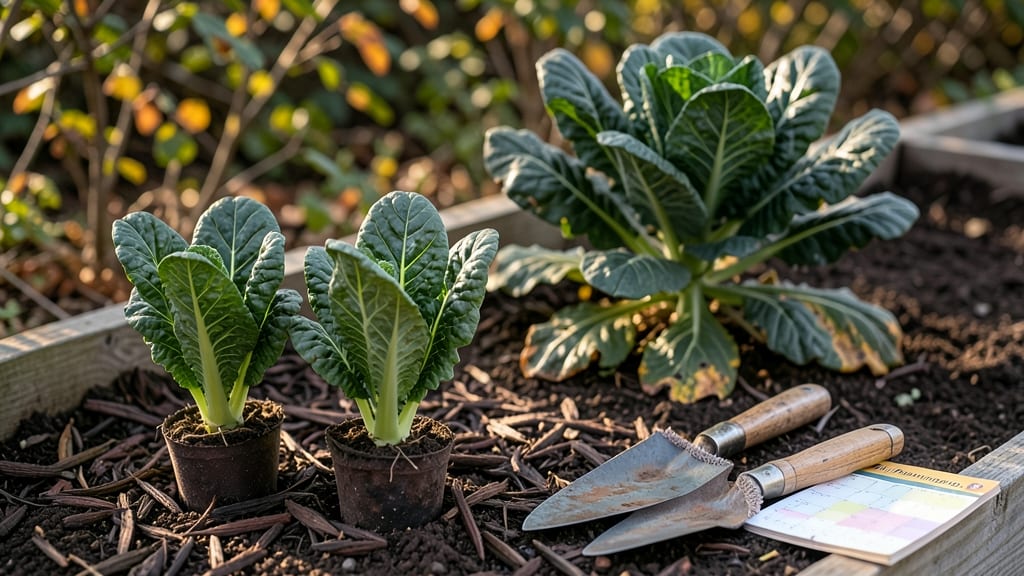
If you’ve ever wondered when to plant collard greens in Georgia without risking frost damage or bitter leaves, the answer starts with timing your seeds just right.
Georgia’s mild winters and long growing season make it a dream for growing 🥬 collard greens—but one wrong move can turn your harvest into a disappointment.
Most gardeners in zones 7a-8b plant collards between late August and early March, but the real secret lies in understanding your first frost dates. Plant too early, and summer heat will stress your plants; too late, and you’ll miss the sweet, tender harvest window before winter sets in.
In this guide, I’ll break down the exact planting timeline for Georgia, including how to extend your harvest through fall and winter. Whether you’re aiming for a fall crop or a spring harvest, you’ll learn the best months, soil prep tips, and cold-hardy varieties that thrive in GA’s climate.
Ready to grow collards that taste sweeter and last longer? Let’s dive into the frost-free strategy that’ll keep your garden productive from October through February.
Georgia’s ideal collard green planting dates by hardiness Zone
Georgia’s USDA Zones 7a-8b give collard greens a unique advantage—mild winters and warm springs allow for two main planting windows: fall and spring. Unlike northern states, you can even overwinter collards with proper protection. The key is planting when soil temps hit 50°F (10°C) and avoiding summer’s brutal heat.
For fall harvests, aim to plant 6-8 weeks before the first frost (typically mid-November in most of GA). This means starting seeds indoors by mid-August or sowing directly in late August to early September. Fall-planted collards sweeten after light frosts, making them ideal for winter meals.
Spring planting should begin 4-6 weeks before your last frost date (usually mid-March in Zone 7a, early March in Zone 8b). Direct-sow seeds when soil warms to 50°F (10°C), or start them indoors in February for earlier harvests.
⚠️ Critical Note: Avoid planting collards in mid-to-late summer (June-August). The intense heat causes bolting (premature flowering) and bitter leaves. Instead, focus on fall and spring windows for the best results.
| Planting Window | Best Months (GA Zones 7a-8b) | Soil Temp Requirement | Harvest Window | Key Varieties for GA |
|---|---|---|---|---|
| Fall Planting | Late August - Early September | 50-60°F (10-15°C) | October - February | Georgia Southern, Vates, Top Bunch |
| Spring Planting | Early March - Mid-April | 50-65°F (10-18°C) | May - June | Blue Max, Georgia Collards, Champion |
| Overwintering | September - October | 50-55°F (10-13°C) | January - April | Vates, Top Bunch (cold-hardy) |
If you’re in Zone 8b (e.g., Savannah or coastal areas), you can push fall planting even later—up to mid-October. The warmer microclimates delay frost, giving you an extra 4-6 weeks of harvest time. Just monitor nighttime temps and protect plants when they dip below 25°F (-4°C).
For succession planting, sow new seeds every 2-3 weeks from August through October. This ensures a continuous harvest until spring. In spring, a single planting in March will provide leaves through May-June before bolting.
Remember: Collards thrive in cool weather but wilt in summer heat. The ideal planting strategy for Georgia is fall-first, spring-second, with overwintering as a bonus for patient gardeners. With these timelines, you’ll enjoy sweet, tender collards for nearly half the year!
🌿 For Zone 7a gardeners (e.g., Atlanta area), err on the earlier side—plant by mid-September for fall and late February for spring to avoid late frosts.
Georgia’s ideal collard green planting dates by hardiness Zone
Georgia’s USDA Zones 7a-8b offer two prime windows for planting collard greens: late summer/early fall (August-September) and early spring (February-March). The key is avoiding extreme summer heat (above 90°F) and late-winter frosts (below 20°F), which can stunt growth or kill tender seedlings.
For fall planting, aim for 6-8 weeks before your first frost (typically mid-November in most of GA). This gives plants time to mature before cold sets in. In Zone 7a (northern GA), start seeds indoors by mid-July or direct-sow by late August.
In Zone 8b (southern GA), you can extend planting until early October.
Spring planting should begin 4-6 weeks before last frost (usually mid-March). Seedlings transplanted in February will be ready for harvest by April, while direct-sown seeds in March yield a summer-fall crop. Avoid planting after mid-April in northern GA, as heat stress reduces flavor.
| Planting Window | Zone 7a (Northern GA) | Zone 8b (Southern GA) | Key Notes |
|---|---|---|---|
| Fall Planting | Late August - Mid-September | Early September - Early October | Soil temp: 60-70°F; harvest before hard frost. |
| Spring Planting | February - Mid-March | January - April | Avoid late spring heat; mulch for moisture. |
| Soil Temperature | 55-75°F for germination | 55-75°F for germination | Use seedling heat mats if soil is cooler than 55°F. |
| Frost Tolerance | Survives 20°F with protection | Survives 25°F with protection | Use row covers for 20-25°F nights. |
For continuous harvests, stagger plantings every 2-3 weeks from August through March. For example, plant half your seeds in late August for a fall crop, then another half in February for a spring harvest. This ensures fresh collard greens from October through April.
Pro tip: Southern GA gardeners can push fall planting later due to milder winters. Try ‘Georgia Southern’ or ‘Vates’ varieties—they’re bred for heat tolerance and cold hardiness, making them ideal for GA’s climate extremes. Always test soil pH (6.0-6.8) before planting to prevent nutrient deficiencies.
Remember, collard greens taste sweeter after a light frost (28-32°F), but they’ll bolt if exposed to consistent temperatures above 85°F. Plan accordingly to balance flavor and yield! 🌱