
Plants
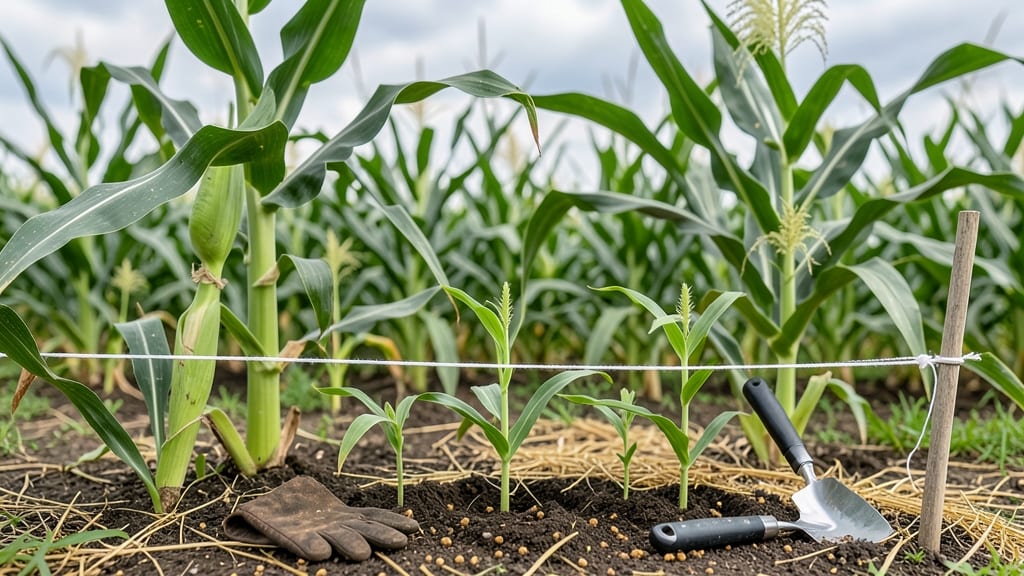
Timing your 🌽 corn planting in Middle Tennessee can mean the difference between a bumper crop and wasted effort—because those unpredictable spring frosts don’t care about your dinner plans. Plant too early, and a late freeze will nip your seedlings in the bud.
Get it right, though, and you’ll be pulling golden ears straight from your garden by July, ready for grilling.
The Zone 7a frost-free window is narrow but critical: aim for April 15 to May 15, when soil temperatures hit at least 60°F. This isn’t just guesswork—it’s about matching your corn’s needs with Middle Tennessee’s quirks, like sudden cold snaps or early heat waves.
I’ll show you how to read the signs and adjust your schedule so your plants thrive, not just survive.
You might think summer planting is a no-go, but with the right strategies, you can stretch your harvest into September. We’ll cover soil prep, spacing tricks, and even how to protect young plants from late frosts.
Whether you’re a first-time gardener or a seasoned grower, these tips will help you avoid common pitfalls and maximize your yield—because nobody wants to wait until next year’s planting season to enjoy fresh corn on the cob.
Let’s dive into the exact steps to time your planting perfectly, so you can enjoy the sweetest, juiciest 🌽 corn from your garden all summer long. No more second-guessing, just confident, foolproof planting.
Middle Tennessee corn planting deadlines by Zone 7a/7b frost dates
Middle Tennessee spans USDA Zones 7a and 7b, where average last frost dates range from mid-April to early May.
For corn (Zea mays), this means your planting window is tight—get seeds in the ground too early, and frost will kill tender sprouts; wait too long, and you’ll miss the 90-day growing season needed for most sweet corn varieties. My rule of thumb?
Plant when soil temperatures hit 60°F (15°C) at 4-inch depth, a threshold corn seeds won’t germinate below.
Zone 7a (cooler microclimates like higher elevations) has a later last frost date (around April 20–May 5), while Zone 7b (warmer valleys) can safely plant by April 10–20.
I’ve seen gardeners in Nashville push their first planting to late March using black plastic mulch, but that’s risky without row covers. For safety, I recommend waiting until mid-April for most of Middle Tennessee.
Corn thrives on warmth and long daylight hours, so aim to plant 4–6 weeks before your first expected frost in fall (typically mid-October to November 15). This ensures ears mature before temperatures drop below 50°F (10°C) at night, which stunts kernel development.
Pro tip: Check the National Weather Service’s 10-day forecast before planting—if nighttime temps dip below 55°F (13°C), delay by a week.
Here’s the critical timeline for Middle Tennessee corn planting:
| Zone | Last Frost Date | Optimal Planting Window | Soil Temp Requirement | Harvest Window |
|---|---|---|---|---|
| 7a (e.g., Murfreesboro, Columbia) | April 20–May 5 | April 25–May 10 | 60°F+ (15°C+) | July 15–August 20 |
| 7b (e.g., Nashville, Clarksville) | April 10–20 | April 10–25 | 60°F+ (15°C+) | July 1–August 10 |
For succession planting (to extend harvests), I recommend a second planting 6–8 weeks after the first, using faster-maturing varieties like ‘Silver Queen’ (70 days) or ‘Peaches and Cream’ (75 days). This works if you plant by mid-June, giving ears time to mature before fall frosts.
Just beware: Summer planting in Middle Tennessee means battling heat stress—corn needs consistent moisture during tasseling (when pollen forms).
If you’re growing field corn (for grain or livestock), opt for longer-season varieties (100+ days) and plant as early as possible—these varieties need the full summer to reach maturity. I’ve had success with ‘Reid Yellow Dent’, which tolerates Middle Tennessee’s heat better than sweet corn.
For field corn, push your planting to early April in Zone 7b or late April in Zone 7a.
One mistake I see often? Gardeners planting too late and relying on fast-maturing hybrids that never fully develop sweet kernels. Always check the days-to-maturity label on seed packets and count backward from your average first frost date.
For example, a 90-day variety planted on May 15 in Nashville (Zone 7b) will likely bolt before harvest. Stick to 75–85 day varieties for late spring plantings.
To test soil temperature, use a soil thermometer (available for ~$10) or press your finger into the soil—if it feels warm to the touch (like a hot bath), it’s ready.
In my garden, I also use black plastic mulch to warm the soil faster, letting me plant 1–2 weeks earlier without frost risk. Just remove the mulch once plants emerge to prevent overheating.
Remember: Corn is pollinated by wind, so plant in blocks (not rows) to ensure cross-pollination. A 4x4 foot patch is ideal for home gardens.
If you’re short on space, try bush corn varieties like ‘Golden Bantam’, which grow to just 5 feet tall and produce 2–3 ears per stalk.
🌽 For a foolproof schedule, mark your calendar for April 15 in Zone 7b and May 1 in Zone 7a as your primary planting deadlines. With these dates, you’ll avoid frost damage and maximize sweetness—just like my ‘Ambrosia’ corn plants that yielded 12 ears per stalk last summer!
How to time corn planting for maximum yield in Middle TN
Timing your corn planting in Middle Tennessee isn’t just about avoiding frost—it’s about maximizing your harvest window and ensuring those tender kernels reach peak sweetness. With 190 frost-free days in Zone 7a/7b, you’ve got a narrow but productive growing season to work with.
The key is to start planting when soil temperatures hit 60°F consistently, typically around mid-April to early May, but don’t rush—late frosts can still sneak in.
For gardeners eager to extend their harvest, succession planting is your best friend. By staggering your plantings every 2 weeks through early June, you’ll enjoy fresh corn from July through September.
This works especially well for short-season varieties like 'Silver Queen' or 'Peaches and Cream,' which mature in just 70–75 days. Just be prepared to watch your weather forecast closely—Middle TN’s summer heat can accelerate growth, sometimes too quickly!
If you’re planting in June or July for a fall harvest, focus on heat-tolerant varieties like 'Golden Bantam' or 'Country Gentleman.' These can handle Middle TN’s 90°F+ days better than standard sweet corn.
Just be ready to water deeply 2–3 times per week—drought stress during pollination will lead to blind ears (ears with no kernels). A simple drip irrigation system saves time and ensures consistent moisture.
Don’t overlook microclimates in your garden. Low-lying areas stay cooler longer and may need a 2-week delay compared to sunny, south-facing beds. Use a soil thermometer to confirm temps before planting—corn seeds won’t sprout below 50°F, and slow germination invites pests like cutworms.
Pro tip: Plant seeds 1 inch deep in rows 30–36 inches apart for optimal airflow and pollination.
For maximum yield, pair your planting timeline with a fertilization schedule. Apply a balanced 10-10-10 fertilizer at planting, then again when plants reach knee height (about 12 inches tall).
Avoid over-fertilizing with nitrogen—it promotes leafy growth at the expense of ear development. Instead, side-dress with compost or aged manure for steady, natural nutrients.
Finally, keep an eye on your corn’s pollination window. When tassels emerge, the plant is ready to pollinate—this usually happens 60–70 days after planting. If silks (the thread-like strands) dry out before pollination, you’ll end up with empty husks.
On hot days, hand-pollinate by gently shaking tassels over silks in the morning when humidity is low. With these strategies, you’ll turn Middle TN’s short season into a corn-growing goldmine! 🌽