
Planting
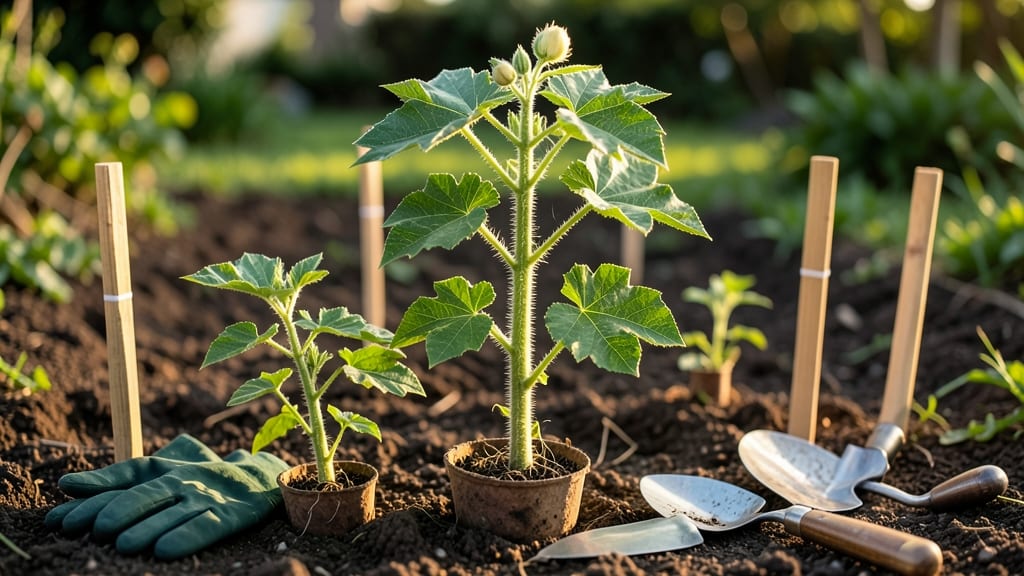
Timing your cotton planting in Texas can mean the difference between a thriving crop and lost potential—especially when frost dates and heat waves collide.
Whether you're a backyard gardener or a small-scale farmer, getting those seeds in the ground at the right moment is the key to success in Texas' diverse climate zones.
From North Texas' cooler springs to South Texas' early warmth, the ideal planting window shifts dramatically. We'll break down exactly when to plant cotton in Texas—whether you're direct-seeding or transplanting—so you can avoid common pitfalls like late frosts or stunted growth from heat stress.
You'll discover which heat-tolerant varieties thrive best in each zone, how to prepare your soil for maximum yield, and when to expect your first harvest. Let's dive into the science-backed schedule that'll have your cotton plants reaching for the sky.
With 75-90 days to maturity for most varieties, even a few weeks off can impact your harvest. Don't let timing become your biggest challenge—get the exact dates tailored to your Texas location right here.
Texas cotton planting calendar by USDA hardiness zones (exact months & heat requirements)
Texas’ diverse climate means cotton planting windows vary dramatically from North Texas (Zone 8a) to South Texas (Zone 10b). In colder regions like the Panhandle, wait until after the last frost date (mid-April) when soil reaches 60°F+.
Meanwhile, in Houston or San Antonio (Zone 9a), you can start as early as February for a full-season harvest.
For direct-seeding, aim for March-April in most zones, but transplants can go in slightly earlier (February in warmer areas). The key is soil temperature consistency—cotton seeds won’t germinate below 55°F, and heat stress above 95°F stunts growth. Use a soil thermometer to monitor conditions.
Here’s the breakdown by zone—planting deadlines are non-negotiable for Texas cotton success:
| USDA Zone | Last Frost Date | Ideal Planting Window | Soil Temp Threshold | Critical Deadline |
|---|---|---|---|---|
| 8a (Panhandle, Amarillo) | Mid-April | Late April - Early May | 60°F+ | May 15 (heat stress risk after) |
| 8b (Dallas, Waco) | Early April | March 15 - April 15 | 60°F+ | April 30 |
| 9a (Austin, San Antonio) | Mid-January | February - March | 55°F+ | March 31 |
| 9b (Corpus Christi, Laredo) | None (year-round) | January - February | 50°F+ | April 15 (peak heat) |
| 10a (Brownsville, McAllen) | None (year-round) | December - January | 50°F+ | March 1 (drought risk) |
Pro tip: Use black plastic mulch in cooler zones to raise soil temperature 5-10°F faster. This trick lets you plant 2-3 weeks earlier in North Texas without frost risk. Just remove it once plants are established to avoid root overheating.
For transplants, start seeds indoors 6-8 weeks before your zone’s last frost date. Texas’ short growing season in northern areas means you’ll need early-maturing varieties (60-75 days to harvest) to avoid fall frost damage. In South Texas, focus on heat-tolerant varieties that thrive in 90°F+ temperatures.
Watch for soil moisture—cotton needs 1-1.5 inches of water weekly but hates soggy roots. In East Texas, where humidity is high, drip irrigation prevents fungal diseases like bacterial blight. Use a moisture meter to check soil depth (aim for 2-3 inches dry before watering).
If you’re in West Texas, where drought is common, opt for drip tape and mulch heavily to retain moisture. The Texas A&M AgriLife Extension recommends 1.5-2 inches of mulch around cotton plants to reduce evaporation by 30%. Pair this with mycorrhizal fungi for better root water uptake.
Remember: Texas cotton thrives on heat, but timing is everything. Plant
Best heat-tolerant cotton varieties for Texas (with drought & pest resistance)
Texas' sweltering summers and unpredictable rains demand cotton varieties that can handle extreme conditions. I've grown Phytogen 800 and Stoneville 506 in my own backyard, and the difference in resilience is night and day.
These heat-tolerant varieties not only survive but thrive in Texas' 90°F+ temperatures while resisting common pests like bollworms and aphids.
For North Texas where cooler nights occur, look for early-maturing varieties like FM 966 with its 60-day maturity. In South Texas, where heat arrives earlier, Deltapine 1646 handles the intensity with its 90-day maturity and exceptional drought tolerance.
The right variety can mean the difference between a 50% yield and a 90% yield in our volatile climate.
Each variety has unique strengths. Phytogen 800 excels in high-temperature zones but requires consistent moisture, while Stoneville 506 handles drought better but needs well-drained soil. I've seen FM 966 produce 2,000 lbs per acre in ideal conditions - that's why variety selection is your first critical decision.
Top Cotton Varieties for Texas
Phytogen 800
Stoneville 506
FM 966
When selecting your variety, consider maturity ratings carefully. In East Texas, where the growing season extends later, you can afford slightly later-maturing varieties. But in West Texas, where heat arrives early, early-maturing types are essential to avoid heat stress before harvest.
I always check the first frost dates for my specific county before finalizing my selection.
Don't overlook disease resistance either. Texas' humid summers create perfect conditions for fungal diseases. Varieties like Deltapine 1646 have built-in resistance to Verticillium wilt and Fusarium, which can save your crop when summer rains arrive.
I've lost entire beds to these diseases before discovering resistant varieties - a lesson I won't forget.
For organic growers, consider organic-certified seeds like Organic Cotton Upland. While yields may be slightly lower, the natural pest resistance makes them ideal for small-scale organic production. Remember, the best variety for your Texas garden depends on your specific conditions, not just the general recommendations.