
Plants
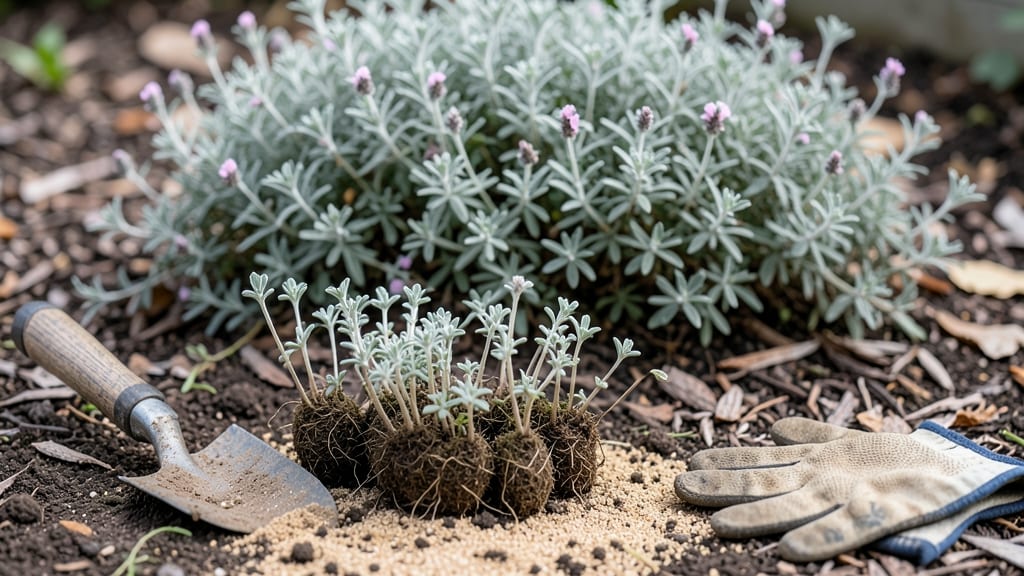
Timing your creeping thyme planting in Colorado isn’t just about the calendar—it’s about reading the frost dates like a pro. Whether you’re in Denver’s Zone 5b-6a or the higher elevations of Zone 4-7, getting this right means the difference between a thriving ground cover and a struggling perennial.
Most Colorado gardeners know spring is the prime window, but did you know fall planting can work too? The key is understanding your last frost date—typically around April 15 in lower elevations—and adjusting for your specific microclimate.
Plant too early, and frost will nip your young 🌿 creeping thyme in the bud. Too late, and you’ll miss the growing season entirely.
In this guide, I’ll break down the exact frost-date triggers for planting, whether you’re starting seeds indoors or transplanting mature plants. You’ll learn how to prep your soil, space your plants for optimal growth, and even push your planting window with smart techniques like row covers.
Let’s make sure your creeping thyme takes root and flourishes all season long.
Ready to turn your Colorado garden into a fragrant, low-maintenance paradise? The best time to plant isn’t just a season—it’s a strategy. Let’s get started.
Colorado’s frost-date Zones for creeping thyme planting success
Creeping thyme (Thymus serpyllum) thrives in Colorado’s USDA Zones 5-8, but frost dates dictate your planting window. The Front Range (Denver, Boulder) typically sees its last spring frost around April 15, while Western Slope areas like Grand Junction may warm up 2-3 weeks earlier.
High-elevation gardens in Zone 4 (e.g., Steamboat Springs) face later frosts, often May 1 or later.
Understanding your microclimate is key—urban areas like Colorado Springs can experience 5-10°F warmer nights than rural zones. Creeping thyme’s hardiness (Zones 4-9) means it survives winter, but spring planting should align with soil temperatures above 50°F for optimal root growth.
Fall planting? Aim for 6-8 weeks before first frost (typically October 15 in Denver).
Colorado’s elevation variations create 3 distinct planting zones:
- Lowlands (3,500–5,000 ft): Earlier frosts, Zone 6-7 (e.g., Pueblo).
- Front Range (5,000–7,000 ft): Classic Zone 5-6 (Denver, Fort Collins).
- High Country (7,000+ ft): Zone 4-5 (Aspen, Vail), with shorter growing seasons.
For maximum blooms, plant creeping thyme when daytime temps consistently reach 60°F. In Zone 5, this usually means late April to early May.
In Zone 7 (e.g., Colorado Springs outskirts), you can start as early as March 15. Fall planting works too—just ensure roots establish 4-6 weeks before frost.
Pro Tip: Use a soil thermometer to confirm 50°F+ soil temps before planting. Cold soil slows root growth, leaving thyme vulnerable to winter dieback. In Zone 4, wait until May 15 or later to avoid frost damage.
🌡️ Colorado Creeping Thyme Planting Zones
| Region | USDA Zone | Last Frost | Ideal Planting Window | Fall Deadline |
|---|---|---|---|---|
| Front Range (Denver, Boulder) | 5b-6a | April 15 | April 1–May 15 | September 15 |
| Western Slope (Grand Junction) | 7a-7b | March 20 | March 1–April 15 | October 1 |
| High Country (Aspen, Steamboat) | 4a-5a | May 1 | May 15–June 15 | August 30 |
| Urban Heat Islands (Colorado Springs) | 6b-7a | April 5 | March 20–May 1 | September 30 |
⚠️ Adjust dates 1-2 weeks earlier for low-elevation gardens (e.g., Canon City) or 1-2 weeks later for high-altitude areas.
Colorado’s first frost in fall signals the end of your planting window. In Zone 5, aim to plant by September 15 to allow 4-6 weeks of root growth before winter. In Zone 7, you can push it to October
Step-by-step planting timeline: when to start seeds vs. transplants
Timing your creeping thyme planting in Colorado depends on whether you're starting from seeds or using transplants. Each method has a distinct window to maximize root establishment before Colorado’s first frost or extreme winter cold. Let’s break down the exact steps and deadlines for your elevation zone.
For seed-starting indoors, begin 6-8 weeks before your last frost date. In most of Colorado (USDA Zones 5-7), this means starting seeds indoors by late January to early February.
Harden off seedlings for 1-2 weeks before transplanting outdoors after the last frost, typically mid-April to early May.
📅 Colorado Creeping Thyme Planting Timeline
- Jan 20-Feb 15: Start seeds indoors (6-8 weeks before last frost)
- Feb 15-Mar 15: Harden off seedlings (place outdoors for 1-2 hours daily)
- Mid-April: Transplant outdoors after last frost (Zone 5-6)
- Late April-Early May: Transplant in higher elevations (Zone 4)
- May 15-Jun 15: Direct-sow seeds outdoors (if starting from scratch)
- Sep 1-Oct 15: Fall transplanting (4-6 weeks before first frost)
If you prefer transplants, wait until after the last frost—usually mid-April to early May in lower elevations and late May to June in mountainous areas. For a fall planting, aim to transplant 4-6 weeks before your first frost (typically September to mid-October).
Microclimates matter! Urban areas like Denver may warm up faster, allowing earlier planting, while high-altitude regions (e.g., Aspen) need to wait until late May or June. Always check your local Almanac frost dates for precision.
Pro tip: Use row covers or cold frames to extend your planting window by 2-3 weeks in early spring or late fall. This gives creeping thyme extra time to establish roots before Colorado’s harsh winters.
Remember, creeping thyme is drought-tolerant once established, but young plants need consistent moisture. Water deeply but infrequently to encourage strong root growth during the first 4-6 weeks after transplanting.