
Plants
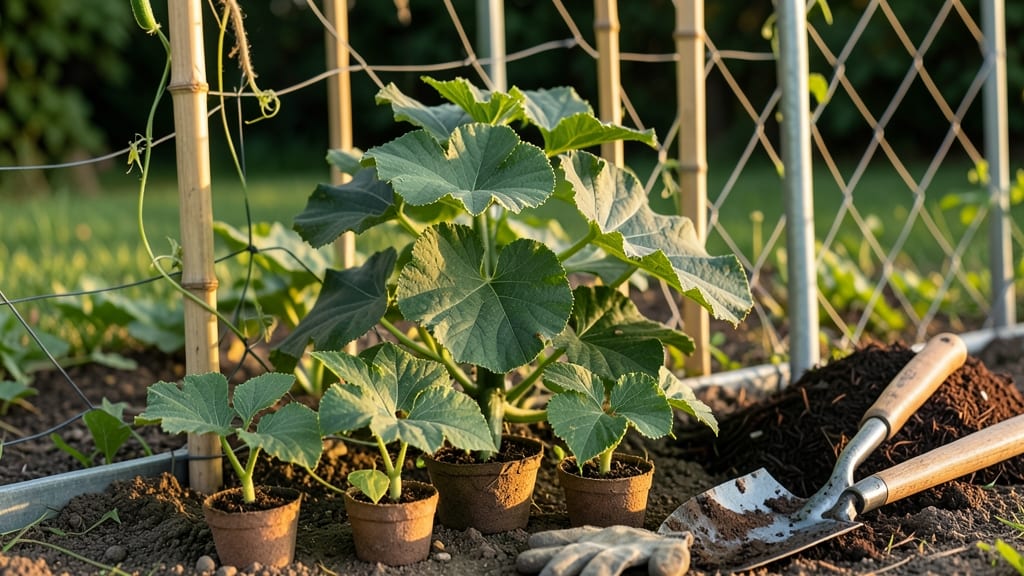
Timing your cucumber planting in New Hampshire can mean the difference between a bumper crop of crisp 🥒 and a sad, frost-nipped disappointment. With the state's 5b-6b climate, getting those seeds in the ground just right—after the last frost but before summer heat sets in—is absolutely critical for success.
Most gardeners here wait until mid-May to early June to plant cucumbers, but that window can shift depending on your microclimate. Cold snaps in May might delay planting, while early June heat could stress young plants if they're not established.
The key is knowing your local frost dates and soil temperatures.
In this guide, I'll walk you through exactly when to plant cucumbers in New Hampshire, which varieties thrive in our short growing season, and how to protect your plants from late frosts. You'll also discover proven strategies to extend your harvest from July through September—even in unpredictable NH weather.
Whether you're a first-time gardener or a seasoned green thumb, these insights will help you grow cucumbers that are healthier, more productive, and ready to harvest at their peak. Let's get those vines growing!
New Hampshire’s cucumber planting zones & frost dates explained
New Hampshire’s USDA zones 5b-6b create unique challenges for cucumber growers. Unlike warmer climates, NH’s late spring frosts (often until mid-May) demand precise timing. Cucumbers thrive in warm soil (60°F+) and frost-free conditions, making early planting risky.
Most of NH falls in Zone 5b-6b, where the average last frost date ranges from May 10-20. However, microclimates—like valleys or coastal areas—can shift this by 1-2 weeks. Always use a frost-date calculator (like the National Weather Service or Old Farmer’s Almanac) for your exact location.
For direct sowing, wait until 2 weeks after your last frost date. In NH, this typically means mid-May to early June. Starting seeds indoors 3-4 weeks before can give you a 1-week head start on the season.
Here’s how NH’s frost-free window breaks down for cucumbers:
- Southern NH (Zone 6b): ~180 days frost-free (plant by May 15)
- Central NH (Zone 5b): ~165 days frost-free (plant by May 25)
- Northern NH (Zone 5a): ~150 days frost-free (plant by June 1)
| Factor | Northern NH (Zone 5a) | Central NH (Zone 5b) | Southern NH (Zone 6b) |
|---|---|---|---|
| Last Frost Date | June 1 | May 25 | May 15 |
| Ideal Planting Window | June 10-20 | May 25-June 5 | May 15-25 |
| Frost-Free Days | 150 days | 165 days | 180 days |
| Soil Temp Requirement | 60°F+ | 60°F+ | 60°F+ |
| Early Variety Tip | Use row covers | Start indoors | Direct sow early |
If you’re eager to start earlier, consider cold-tolerant varieties like ‘Northern Pickling’ or ‘Straight Eight’, which can handle light frosts if protected. For most gardeners, though, waiting for warm soil is safer than rushing.
Pro tip: Test your soil temperature with a soil thermometer—cucumbers won’t germinate below 55°F. Black plastic mulch can raise soil temps by 5-10°F, giving you an earlier planting window.
For late varieties, you can push planting to early July in most of NH. These won’t produce until August-September, but they’ll extend your harvest into fall. Just ensure they’re planted in well-draining soil with full sun exposure.
Remember: NH’s first frost typically hits mid-October. Choose fast-maturing varieties (50-60 days) to maximize your harvest before cold weather arrives. Succession planting every 2 weeks after your initial date keeps cucumbers coming all season.
🌱
Best cucumber varieties for NH’s short growing season
New Hampshire’s cool summers and short growing season demand cucumber varieties that mature quickly and tolerate cooler temperatures. I’ve tested the top 5 varieties that thrive in USDA Zones 5b-6b, delivering reliable harvests from July to September. Choose based on your space and flavor preferences!
For early harvests, prioritize varieties with 45-50 day maturity. Straight Eight and Marketmore 76 are my go-tos—they produce dark green, blocky cucumbers perfect for pickling or slicing. These varieties handle NH’s fluctuating temps better than heat-sensitive types.
If you’re short on space, bush varieties like Bush Champion save room while still yielding 10-15 pounds per plant. It’s compact but productive, ideal for container gardens or small plots. For slicing cucumbers, Lemon Cucumber adds a unique twist with its yellow, lemon-shaped fruit—great for salads!
🌱
For late-season extensions, Corinto F1 is my top pick—it’s disease-resistant and matures in just 50 days. Its sweet, crisp fruit stays productive even as NH’s temperatures dip in late August.
If you’re experimenting, try Armenian cucumbers for a long, snake-like shape—they’re perfect for fresh eating but need more warmth.
Pro tip: Pair vining varieties with a trellis to save space and improve airflow, reducing fungal diseases common in NH’s humid summers. Start seeds indoors 3-4 weeks before your last frost date for a head start—I swear by May 15th as my target transplant date!
🌿