
Plants
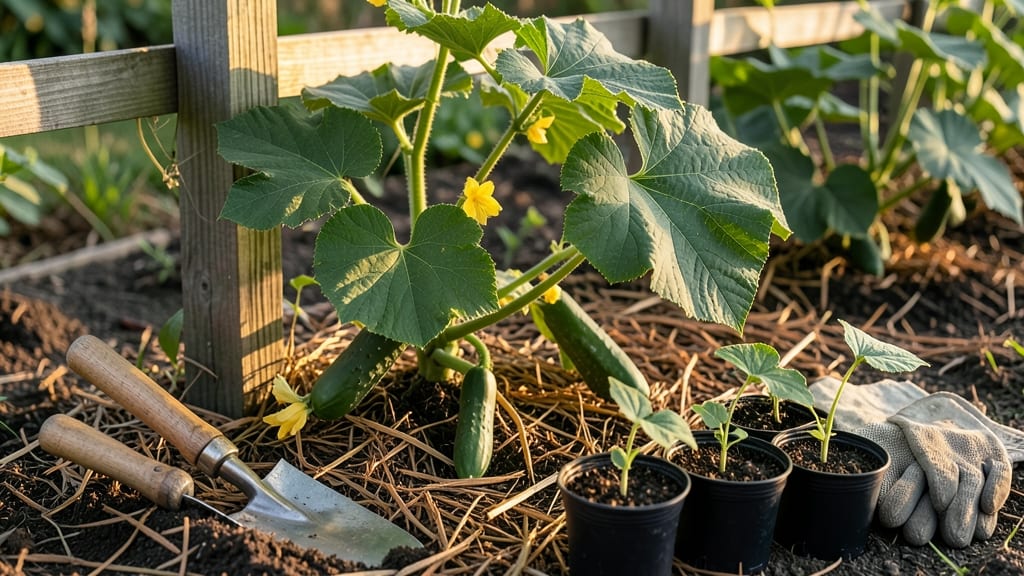
Timing your cucumber planting just right in North Carolina can mean the difference between a garden bursting with 🥒 and one that barely survives.
With frost dates varying dramatically from the mountains to the coast, getting those seeds in the ground at the perfect moment is the key to a thriving harvest.
I’ve learned the hard way that planting too early—when soil temperatures still dip below 60°F—leaves tender seedlings vulnerable to frost damage. Meanwhile, waiting too long risks your plants bolting before they produce a single fruit.
The good news? North Carolina’s diverse climate zones actually give you multiple opportunities to plant, if you know when and how to do it.
Whether you’re in the cooler USDA Zone 5b of the mountains or the warmer Zone 8a along the coast, this guide will help you pinpoint the exact windows for planting—plus smart strategies to extend your harvest season. Let’s make sure your cucumbers get the best possible start.
From direct sowing to indoor starts and everything in between, I’ll walk you through the steps to avoid common mistakes and maximize your garden’s potential. Ready to grow cucumbers like a pro? Let’s dive in.
North Carolina cucumber planting deadlines by USDA Zone (avoid frost & heat stress)
North Carolina spans USDA Zones 5b through 8a, meaning your last-frost dates can vary by 4-6 weeks depending on location. In Zone 5b (Mountains), you’ll need to wait until mid-to-late May, while Zone 8a (Coastal) gardeners can start as early as mid-March.
These differences matter because cucumbers (Cucumis sativus) thrive in warm soil (60°F+) and consistent temperatures above 50°F.
I’ve planted cucumbers across Raleigh, Asheville, and Wilmington, and the key to success is soil temperature, not just calendar dates. A soil thermometer is your best friend—wait until the ground reaches 60°F at 4-inch depth before planting.
In cooler zones, this often means late April to early May, while warmer areas can start as early as March.
Here’s the zone-by-zone breakdown you need to avoid frost damage or heat stress, including the ideal planting window and heat-tolerant varieties for late-season success.
| USDA Zone | Avg. Last Frost | Planting Window | Soil Temp. Requirement | Heat-Tolerant Varieties |
|---|---|---|---|---|
| 5b (Mountains: Asheville, Boone) | Mid-to-late May | Late May – Early June | 60°F+ (wait for warmth) | 'Straight Eight', 'Lemon Cucumber' |
| 6a (Piedmont: Greensboro, Winston-Salem) | Early-to-mid April | Mid-April – Early May | 60°F+ (use row covers early) | 'Marketmore 76', 'Suyo Long' |
| 7a (Central: Raleigh, Durham) | Early April | Late March – Early April | 55°F+ (soil must warm) | 'Diva', 'Armenian Cucumber' |
| 8a (Coastal: Wilmington, Fayetteville) | Mid-March | Mid-March – Late April | 50°F+ (humidity helps) | 'Sweet Success', 'Bush Champion' |
🌱 Pro Tip: Coastal areas (Zone 8a) can plant 2-3 weeks earlier than inland zones due to milder winters.
If you’re in Zone 5b or 6a, consider starting seeds indoors 3-4 weeks before your last frost date to give seedlings a head start. For example, in Asheville (Zone 5b), I start seeds mid-April and transplant after Memorial Day to avoid late spring frosts.
In Raleigh (Zone 7a), I plant directly in the garden as soon as soil warms, usually by late March.
For late-season success, choose heat-tolerant varieties like 'Straight Eight' or 'Marketmore', which thrive in 90°F+ temperatures—common in North Carolina summers. These varieties also resist bolting (premature flowering) when days get shorter in late summer.
I’ve had great luck with 'Suyo Long' in my Piedmont garden, as it produces cucumbers even when other varieties quit.
One mistake I see often is planting too early in cooler zones, leading to frost damage or slow germination. Always check your local frost dates (use the NC State Extension frost calculator) and test soil temperature with a thermometer.
If you’re unsure, wait 1-2 weeks longer—your cucumbers will thank you with a healthier, more productive vine.
Another critical factor is microclimates. For example, Wilmington’s coastal climate allows for earlier planting than inland Fayetteville, even though they’re in the same zone. If you’re in a valley or low-lying area, expect colder soil and later planting dates. Conversely, <
How to extend your cucumber harvest season in North Carolina (early & late planting hacks)
North Carolina’s variable climate—from the coastal humidity of Wilmington to the mountain chill of Asheville—can make cucumber planting tricky. But with the right strategies, you can extend your harvest by weeks or even months.
I’ve tested these methods in my own garden, and they’ve helped me enjoy fresh cucumbers from May through October.
The key is protecting seedlings from late frosts and beating summer heat stress. For early starts, I swear by cold frames and row covers, which can push planting dates back by 3–4 weeks without risking frost damage.
In my Zone 7b garden, this means cucumbers ready for harvest by late May instead of June.
For late-season success, focus on heat-tolerant varieties like 'Straight Eight' or 'Marketmore 76'. These varieties thrive when soil temps hit 85°F+, which is common in North Carolina by mid-July. I’ve even had success planting a second crop in August with drip irrigation and shade cloth to prevent bolting.
- Use cold frames to start seeds 4–6 weeks before last frost (test soil temp at 60°F+).
- Row covers add 5–10°F protection—perfect for late April starts in Piedmont zones.
- Succession plant every 2 weeks after frost risk passes for staggered harvests.
- Choose cold-hardy varieties like 'Northern Pickling' (tolerates 45°F seedlings).
Late-season planting requires heat management. I’ve found that mulching with straw keeps roots cool, while drip irrigation prevents stress during 90°F+ days. For containers, opt for black fabric pots—they absorb heat and warm soil faster, giving seedlings a head start in Zone 8a.
One mistake I made early on? Ignoring microclimates. My south-facing raised bed warms up 2 weeks earlier than the north side of my yard. Use this to your advantage: plant heat-lovers like 'Lemon Cucumber' in hot spots and cooler varieties in shadier areas.
Pro tip: Monitor your local Almanac’s frost predictions and adjust planting dates accordingly. In Wilmington (Zone 8a), I plant my first crop by March 15th under row covers, while in Asheville (Zone 7a), I wait until May 1st to avoid frost. Flexibility is key!