
Plants
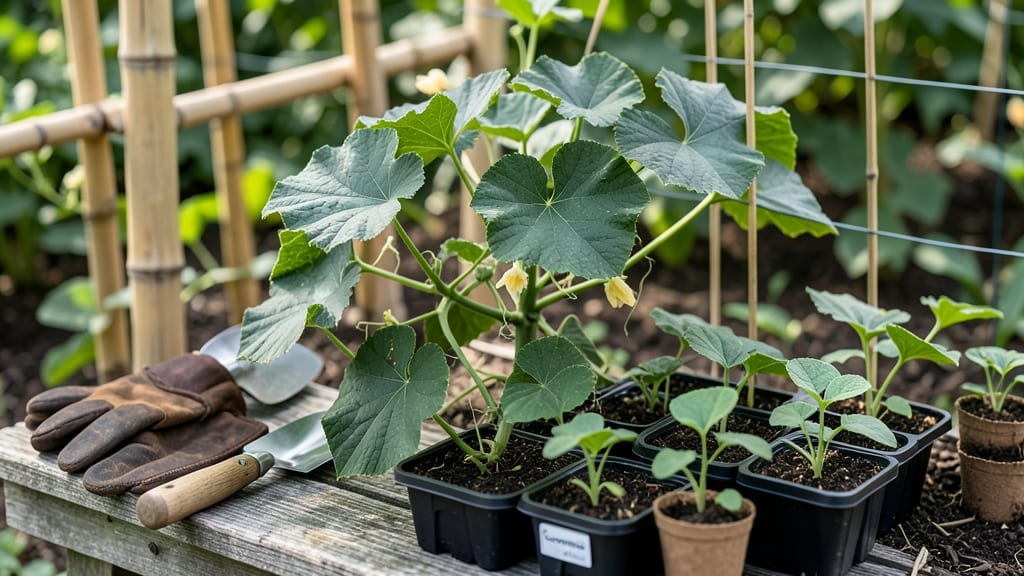
Timing your cucumber planting in West Virginia isn’t just about waiting for spring—it’s about beating the unpredictable weather that can turn your 🥒 vines into a flop before they even start.
With frost-free dates shifting yearly and soil warming at different paces, knowing when to plant (and how to prep) makes all the difference between a garden overflowing with crisp cucumbers and one that barely takes root.
If you’re in USDA Zone 6a, where most of West Virginia falls, your window to plant cucumbers is tight but doable—typically after April 15, once nighttime temps stay above 50°F.
But here’s the catch: rushing too early can leave seedlings vulnerable to late frosts, while waiting too long might cut your harvest short before summer’s heat peaks. The key is balancing patience with action, and I’ll show you exactly how to nail that sweet spot.
You don’t need a green thumb or fancy equipment—just a few smart strategies tailored to West Virginia’s climate. Whether you’re direct-sowing seeds or transplanting seedlings, we’ll cover soil prep, frost-proofing tips, and even how to stretch your growing season for a longer harvest.
Let’s get those cucumbers thriving from July through September without the guesswork.
Ready to skip the trial-and-error? I’ll walk you through the exact steps to plant cucumbers at the perfect moment, plus how to handle West Virginia’s biggest growing challenges—from humidity that fuels pests to sudden temperature swings.
By the end, you’ll know not just when to plant, but how to set your garden up for success from day one.
West Virginia cucumber planting deadlines by hardiness zone (5-7)
West Virginia spans USDA hardiness zones 5b through 7a, meaning your last frost date can vary dramatically—from early April in southern regions to late May in the northern mountains. For cucumbers, which are frost-sensitive, timing is everything.
Plant too early, and a late frost will kill your seedlings; wait too long, and you’ll miss the 60-70 day growing window before fall’s first frost.
Most West Virginia gardeners should aim for late April to early June planting, but your exact deadline depends on your zone. In zone 5b (northern WV), wait until May 15 to be safe, while zone 7a gardeners can start as early as April 20.
Always check your local frost-free date—your county extension office has the most reliable data.
Cucumbers thrive when soil temperatures hit 60°F (15°C). Use a soil thermometer to confirm—cold soil delays germination and weakens seedlings. In West Virginia’s humid climate, warm soil also helps prevent fungal diseases like powdery mildew, which loves cool, damp conditions.
Direct sowing is the preferred method for cucumbers in West Virginia. Start seeds ½ inch deep in hills spaced 3-4 feet apart to give vines room to sprawl. If you’re transplanting seedlings, harden them off for 7-10 days before setting them out after the last frost. Seedlings are more delicate than direct-sown plants and struggle with transplant shock in WV’s heat.
Here’s a quick reference for your zone’s planting window, including soil temp requirements and common cucumber varieties that thrive in West Virginia’s climate:
If you’re in a high-elevation area (like the Allegheny Mountains), add 2–3 weeks to your planting window. Cool nights and slow soil warming are common, so opt for fast-maturing varieties (50–55 days to harvest) to maximize your yield before fall’s first frost.
For gardeners in zone 6a (the most common in WV), aim to have cucumbers in the ground by May 1. This gives you a 120-day growing season, perfect for varieties like ‘Marketmore 76’, which produces high yields in WV’s heat and humidity.
If you’re unsure about your zone, use the USDA Plant Hardiness Zone Map or ask your local cooperative extension service for precise data.
Pro tip: Use black plastic mulch to warm soil faster and suppress weeds. Lay it down 1–2 weeks before planting to give the ground time to heat up. This is especially helpful in zone 5b, where cool springs delay planting.
Remember, cucumbers are warm-season crops, so they’ll bolt (flower prematurely) if exposed to cold snaps. Always have a row cover on hand to protect seedlings if late frosts threaten. With the right timing, you’ll enjoy fresh cucumbers from July through September—just in time for summer salads and pickling!
How to extend your cucumber growing season in West Virginia’s climate
West Virginia’s short growing season and unpredictable weather can make cucumber growing feel like a race against time. But with the right strategies, you can push your harvests earlier or later, maximizing your yield.
Whether you’re dealing with late spring frosts or early fall chills, these techniques will help you grow cucumbers successfully.
One of the best ways to start early is by using row covers or cold frames. These create a microclimate that protects tender seedlings from late frosts while still allowing sunlight to reach your plants.
For example, a lightweight row cover can raise soil temperatures by 5-10°F, giving your cucumbers a head start even if the air is still cool.
Another smart move is choosing fast-maturing varieties like 'Straight Eight' or 'Bush Champion'. These cucumbers mature in just 50-55 days, perfect for West Virginia’s shorter season.
Pair them with succession planting—sow new seeds every 2 weeks after your first planting to ensure a steady supply of fresh cucumbers all summer.
Fast-Maturing vs. Slow-Maturing Cucumbers
Fast-Maturing (50-55 days)
- ✅ Ideal for short seasons
- ✅ Higher yield in limited time
- ✅ Less risk of disease
- ✅ Examples: 'Straight Eight', 'Bush Champion'
Slow-Maturing (60-75 days)
- ⚠️ Needs longer season
- ⚠️ Risk of frost damage
- ⚠️ Lower yield if planted late
- ⚠️ Examples: 'Marketmore', 'Lemon'
For gardeners who want to extend the season into fall, black plastic mulch can work wonders. It warms the soil, suppresses weeds, and retains moisture—critical for cucumbers in West Virginia’s humid summers.
Just lay it down a few weeks before planting, and your cucumbers will thrive in warmer soil even if the air stays cool.
Don’t overlook heat-tolerant varieties like 'Armenian' or 'Suyo Long'. These cucumbers handle West Virginia’s summer heat better than traditional types, producing fruit even when temperatures climb above 90°F. Pair them with drip irrigation to keep roots cool and prevent stress.
Finally, consider container growing for early or late-season cucumbers. Move pots to a sunny spot in the morning and protect them from evening chills with a lightweight blanket. This flexibility lets you adjust to West Virginia’s ever-changing weather patterns while still enjoying fresh cucumbers.