
Plants
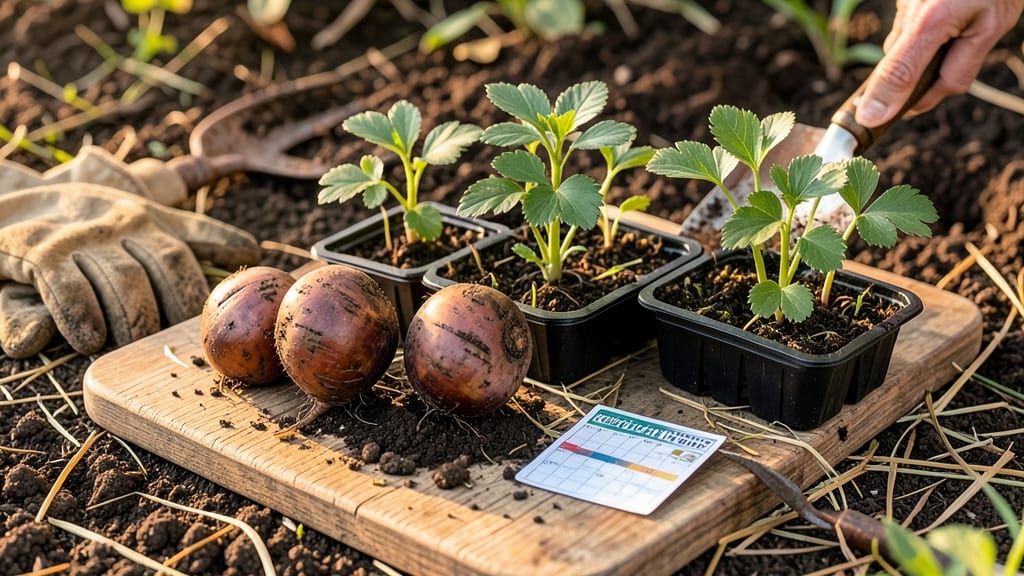
Timing your dahlia planting in Vermont could mean the difference between a garden bursting with 🌸 blooms and tubers lost to frost. With Vermont’s unpredictable spring, getting those tubers in the ground too early risks frost damage, while waiting too long might cut your blooming season short.
Most gardeners in Zone 4b-6a aim for late May to early June—after the last frost date—but local microclimates can shift that window by weeks. Whether you're in a sheltered valley or a high-altitude area, knowing when soil warms to 60°F+ is the real game-changer for success.
I’ll walk you through Vermont’s frost-free timeline, soil prep secrets, and smart backup strategies for those unpredictable spring surprises. By the end, you’ll know exactly when to plant for maximum blooms—no guesswork required.
Ready to turn your garden into a dahlia paradise? Let’s dive into the perfect planting window for Vermont’s climate.
Vermont dahlias planting timeline: exact dates by frost risk
Vermont’s Zone 4 climate creates a tight window for planting dahlia tubers, where timing can mean the difference between lush blooms and frost damage. The ideal planting window spans from mid-May to mid-June, but exact dates depend on your region’s last frost date.
Southern Vermont (e.g., Bennington) typically sees the last frost around May 10–15, while northern areas (e.g., Burlington) may wait until May 25–June 1.
Dahlias need warm soil (60°F+) to thrive, so don’t rush planting—cool soil slows root growth and invites rot. Use a soil thermometer to confirm readiness, especially in high-altitude areas like the Green Mountains, where frost lingers longer.
Planting too early risks frost-killed tubers, while late planting may delay blooms until late summer, cutting your season short.
Aim to plant 4–6 weeks after your last frost date to balance risk and reward. For example, if your last frost is May 15, plant between June 5–15. This gives dahlias time to establish roots before Vermont’s short growing season (about 165 frost-free days) winds down.
Use local frost-free date maps (like the Old Farmer’s Almanac) to pinpoint your exact window.
For late springs (a common Vermont challenge), prepare backup plans: Start tubers indoors in early April under grow lights, or use a cold frame to extend the season.
Hardy varieties like ‘Café au Lait’ or ‘Bishop’ tolerate cooler temps better than delicate hybrids, making them safer bets for northern Vermont gardens.
Here’s your Vermont dahlia planting timeline, broken down by region and frost risk:
| Region | Last Frost Date | Ideal Planting Window | Backup Plan |
|---|---|---|---|
| Southern VT (Bennington, Brattleboro) | May 10–15 | May 25–June 10 | Cold frame or row covers |
| Central VT (Montpelier, Burlington) | May 15–20 | June 1–15 | Start tubers indoors |
| Northern VT (St. Johnsbury, Newport) | May 25–June 1 | June 10–25 | Choose cold-hardy varieties |
| High Altitude (Green Mountains) | June 1–10 | June 20–July 1 | Extend with black plastic mulch |
🌱 Pro Tip: Mark your calendar with Vermont’s average frost dates, but always check weekly forecasts—spring surprises are common!
If you’re starting dahlias from tubers, chit them indoors in March or April to jumpstart growth. Place tubers in a bright, cool (60–65°F) spot and watch for “eyes” (sprouts) to emerge.
Once sprouts reach 3–4 inches, harden them off outdoors for 1–2 weeks before transplanting. This head start compensates for Vermont’s short season and ensures blooms by mid-summer.
For container gardening in Vermont, plant tubers in large pots (12+ inches deep) and use heat-absorbing materials like black plastic liners to warm soil faster. Place containers near south-facing walls or under cloche covers to protect against late frosts.
Dwarf varieties like ‘Mignon’ or ‘Little Chick’ thrive in containers and bloom earlier, making them ideal for urban Vermont gardens.
Remember: Dahlias are tender perennials—they won’t survive Vermont’s winters outdoors. After the first frost, dig up tubers, trim foliage, and store them in cool, dry conditions (32–40°F) until next spring.
This annual replanting cycle ensures you can enjoy fresh blooms every summer, as long as you nail the planting timeline each year.
By aligning your planting with Vermont’s frost-free window and preparing for unpredictable weather, you’ll transform your garden into a dahlia paradise—from Burlington to Bennington. Start planning now, and your mid-summer blooms will be the envy of the neighborhood! 🌸
How to prepare dahlias for Vermont’s unpredictable spring
Vermont’s unpredictable spring weather can leave dahlias vulnerable if you’re not prepared. The key is hardening off tubers and ensuring your soil is ready for planting. Start by chitting tubers indoors 4-6 weeks before your target planting date—place them in a bright, 55-65°F spot with the eyes facing up.
This jumpstarts growth so they’re ready for the garden once temperatures stabilize.
Next, test soil temperature—dahlias won’t thrive until the ground reaches 60°F or warmer. Use a soil thermometer to check; if it’s cooler, consider using a cold frame or black plastic mulch to warm the soil faster.
This is especially critical in northern Vermont, where frosts can linger into mid-May. A 3-4°F warmer microclimate can make all the difference for early blooms.
- Chit tubers: Place in bright light, 55-65°F, eyes up, 4-6 weeks before planting.
- Soil check: Wait for 60°F+ soil—use a thermometer or black plastic mulch to warm soil.
- Hardening off: Move tubers outdoors gradually for 3-5 days before final planting.
- Amend soil: Mix in compost and bone meal for phosphorus-rich growth.
- Plant depth: Bury tubers 4-6 inches deep, 12-18 inches apart for airflow.
Don’t skip hardening off—this process acclimates tubers to Vermont’s cool nights and variable temps. Begin by moving them outdoors for 2-3 hours daily, gradually increasing exposure over 3-5 days.
Watch for new shoots as a sign they’re ready. If a late frost threatens, cover plants with frost cloth or a cloche until temperatures rise above 32°F.
Soil prep is just as critical. Dahlias love well-draining, nutrient-rich soil with a pH of 6.0-7.0. Work in 2-3 inches of compost and a handful of bone meal (for root development) before planting.
If your soil drains poorly, consider raising beds or planting on a slight mound to prevent rot. Vermonters often struggle with clay-heavy soils, so adding perlite or sand can improve aeration.
For extra insurance, plant in containers if your yard has late-spring frosts. Large pots (18+ inches deep) let you move dahlias indoors if frost is forecasted. Choose a sunny patio or garage with bright grow lights to keep them growing until temperatures stabilize.
This method also makes it easier to rotate plants for optimal sunlight exposure.
Finally, mulch heavily after planting to retain soil warmth and suppress weeds. Use straw or shredded leaves (3-4 inches thick) and avoid synthetic mulches that can overheat soil. This simple step can extend your blooming season by 2-3 weeks—critical in Vermont’s short growing season.