
Plants
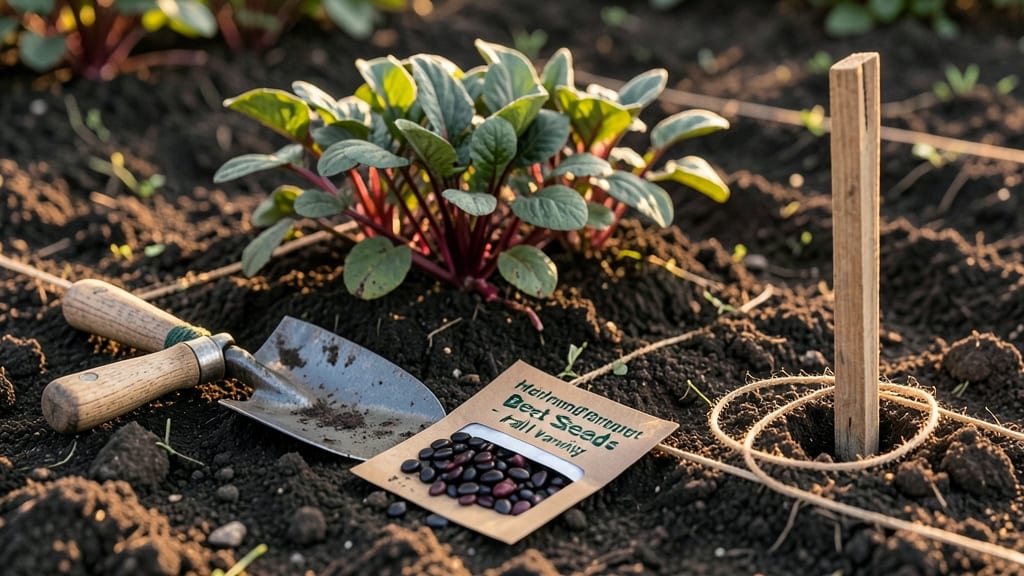
Timing your fall beets in Zone 6 can turn a mediocre harvest into a sweet, tender feast—if you plant them just right. The key?
Starting 8-10 weeks before frost, typically between early August and mid-September, when soil temps stay warm enough for those 🍠 roots to grow fast but before the first hard freeze.
Why does this matter? Beets planted too late often develop woody, bitter flavors, while those sown too early may bolt in the heat. In Zone 6 (6a-6b), where the first frost usually hits by mid-October, getting the timing right means the difference between crisp, earthy roots and disappointment.
I’ll break down exactly how to calculate your planting window using local frost dates, soil temperature tips, and even whether succession planting can stretch your harvest into winter. No guesswork—just science-backed advice to ensure your beets are sweet and ready when you are.
Ready to avoid the most common mistakes and enjoy a fall garden full of vibrant, flavorful beets? Let’s get started.
Optimal planting windows for fall beets in Zone 6 (with frost timing)
Planting fall beets in Zone 6 requires precision—aim for 8-10 weeks before your first frost, typically between mid-August and early September. This window ensures roots mature before cold sets in, preventing woody textures.
For Detroit Dark Red or Golden Beets, earlier planting (late July) works, but Chioggia varieties need that late-August start to avoid bolting.
Your last frost date is critical: Zone 6’s average first frost hits mid-October, so count backward. For example, if frost arrives October 15, plant by August 15-20 for a 60-day harvest. Late varieties like Bull’s Blood can stretch to October 1 planting but risk smaller roots.
Soil temperature matters too—beets thrive in 50-75°F soil. Use a soil thermometer to confirm warmth before sowing. If soil cools below 50°F, roots may struggle to develop properly, even with ideal air temps.
Microclimates can shift your timeline. South-facing beds warm faster, allowing 2-3 weeks earlier planting than north-facing spots. Urban areas with heat islands may extend your window by 10-14 days—always adjust based on your yard’s specific conditions.
Here’s how variety maturity affects timing:
| Variety | Days to Maturity | Planting Window | Notes |
|---|---|---|---|
| Detroit Dark Red | 50-60 | Late July–early August | Best for early harvests; avoid bolting |
| Chioggia | 55-65 | Mid-August–early September | Needs cooler temps; sweetest late-season |
| Bull’s Blood | 60-70 | Early August–mid-September | Tolerates cooler soil; great for succession |
| Golden Beets | 50-55 | Late July–late August | Fastest; ideal for containers |
Succession planting can extend your harvest. Sow new seeds every 2 weeks from mid-August to early September to stagger maturity. This ensures a steady supply of tender roots even as temperatures drop. Just avoid planting after September 15, or roots may bolt or taste bitter.
Container growers should plant 1-2 weeks earlier than in-ground beds—containers cool faster. Use black pots to absorb heat and extend the season by 7-10 days. Mulch with straw or leaves to insulate roots and protect against early frosts.
Watch for leaf color changes as a harvest cue. Beets ready for picking show 1-2 inch roots and slightly yellowing greens. If leaves wilt in cold snaps, harvest immediately—they’ll signal root stress. Never let roots freeze; even a light frost ruins texture.
Pro tip: Mark your planting dates on a garden calendar with frost alerts. Apps like Old Farmer’s Almanac or PlantSnap sync local frost data to your zone, so you’re never guessing. Adjust for 3-5°F warmer microclimates near buildings or fences.
Optimal planting windows for fall beets in Zone 6 (with frost timing)
In Zone 6, where the first frost typically arrives by mid-October, timing your fall beet planting is all about counting backward. The sweet spot? Start seeds 8-10 weeks before frost, which lands you in early to mid-August for most varieties.
This window ensures beets mature before the ground freezes, delivering roots that are tender and packed with flavor.
But here’s the catch: not all beets thrive equally in this schedule. Detroit Dark Red and Golden Beets, for example, mature faster (50-60 days) than heirloom varieties like Chioggia (60-70 days).
Planting too late risks woody roots, while starting too early can lead to bolting in summer heat. Balance is key!
| Variety | Days to Maturity | Ideal Planting Window (Zone 6) | Notes |
|---|---|---|---|
| Detroit Dark Red | 50-60 days | Early August | Fast-growing, great for late fall harvests. |
| Golden Beets | 50-55 days | Mid-August | Sweet, mild flavor; perfect for succession planting. |
| Chioggia (Striped) | 60-70 days | Late July | Slower to mature; plant early for best results. |
Soil temperature is another critical factor. Beets grow best when soil stays above 50°F (10°C). In Zone 6, August often delivers ideal warmth, but early July can work for faster varieties if you’re willing to risk summer heat stress.
Always check soil temps with a probe—cool, damp soil slows germination, while hot soil can cause seeds to sprout too quickly and bolt.
Pro tip: If your area has microclimates (like a sunny south-facing bed), you might push planting into early September. Just adjust your frost date estimate by 1-2 weeks. For example, if your garden stays warmer than the average Zone 6, aim for late August instead of early.
Don’t forget to account for succession planting if you want a prolonged harvest. Sow a second batch in late August for beets that mature in 45-50 days, like Babybeat or Little Ball. This ensures you have fresh roots even as temperatures drop.
Finally, always check your seed packet for specific recommendations—some varieties are bred for cooler fall conditions. Pair your planting with companion plants like lettuce or radishes to maximize space and deter pests. With the right timing, your fall beets will be the star of your garden!