
Plants
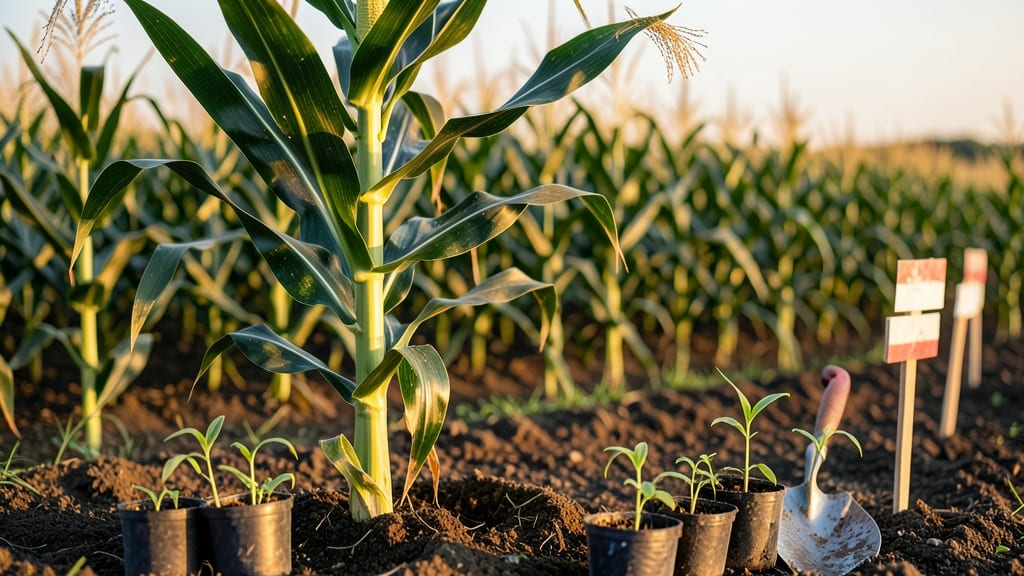
Timing your 🌽 field corn planting in North Carolina isn't just about checking a calendar—it's about reading the soil's secret language. Plant too early, and frost will nip your seedlings before they even stand a chance; too late, and your harvest might shrink before summer's heat even peaks.
I've seen firsthand how mid-April to early May becomes the sweet spot for most of the state's 7a-8b zones, but here's the catch: Coastal Plain areas can start a week earlier, while the Mountains might need to wait until late May.
The key? Soil temperature—wait until it hits a steady 50°F+ for at least a week.
What you'll discover in this guide is how to turn those frost dates and soil temps into a planting schedule that actually works for your county. We're talking about avoiding the common mistakes that leave gardeners scratching their heads in August with half-formed ears—or worse, no corn at all.
Ready to stop guessing and start growing? Let's break down exactly when to plant your field corn for that late-summer harvest you've been dreaming of, complete with regional tweaks that make all the difference.
NC field corn planting dates by soil temperature zones (2024 guide)
North Carolina’s diverse climate—from the humid Coastal Plain to the cooler Appalachian Mountains—means your field corn planting window can vary by 3-4 weeks depending on location. The golden rule?
Wait until the soil reaches a steady 50°F or warmer for at least 1-2 weeks, as cold soil delays germination and weakens seedlings. For most of NC, this lands in mid-April to early May, but let’s break it down by region so you don’t gamble with your harvest.
Field corn is a warm-season crop that hates frost, so timing your planting to avoid late spring freezes is critical. The last average frost date in NC ranges from March 15 in the Coastal Plain to May 1 in the Mountains.
Planting too early risks frost damage, while waiting too long may shorten the growing season, especially for longer-maturing varieties like 'Silver Queen' (110+ days to harvest).
Here’s the soil temperature and frost-free timeline you need to nail your planting schedule, tailored to NC’s three main regions:
| Region | USDA Zone | Last Frost Date | Optimal Planting Window | Soil Temp Threshold | Key Varieties |
|---|---|---|---|---|---|
| Coastal Plain (e.g., Wilmington, Fayetteville) | 8a-8b | March 15 - April 1 | Late March - early April | 50°F+ (steady) | 'Pioneer 38N43' (85 days), 'Golden Bantam' (75 days) |
| Piedmont (e.g., Raleigh, Charlotte) | 7a-7b | April 1 - April 15 | Mid-April - early May | 50°F+ (1-2 weeks) | 'Silver Queen' (110 days), 'Peaches & Cream' (90 days) |
| Mountains (e.g., Asheville, Boone) | 6a-7a | May 1 - May 15 | Late April - mid-May | 55°F+ (steady) | 'Country Gentleman' (95 days), 'Bodacious' (85 days) |
If you’re in a microclimate—like a sheltered valley in the Mountains or a low-lying area near the coast—adjust your planting date by 1-2 weeks earlier or later based on local frost history.
For example, Ashe County (Mountains) might see frost as late as May 10, while Dare County (Coastal Plain) could be frost-free by March 1. Check your local Cooperative Extension Service for county-specific data.
For succession planting (to extend your harvest), sow additional seeds every 2-3 weeks up until mid-June. This works best with short-season varieties (60-85 days to maturity) like 'Golden Bantam' or 'Pioneer 38N43'.
Just ensure your last planting has enough time to reach maturity before the first frost, which in NC typically arrives between October 15 and November 1.
One common mistake is planting field corn too early in cooler regions, only to have seedlings rot in cold, wet soil. To test soil readiness, press your finger into the ground—if it feels crumbly and warm 2-3 inches down, it’s time to plant.
For extra insurance, use black plastic mulch to warm the soil faster in early spring plantings.
Remember: Field corn needs 180-220 frost-free days to mature fully. In NC’s USDA Zones 7a-8b, this aligns perfectly with a late April to early May start for most varieties.
But if you’re pushing the envelope with long-season corn in the Mountains, consider starting seeds indoors in late March and transplanting after the last frost.
For a visual guide, bookmark the NC State Extension’s Frost-Free Date Map—it’s a game-changer for pinpointing your local window. And if you’re unsure, plant a test row a week before your target date; if the soil is too cold, the seeds won’t sprout, and you’ll avoid
How to adjust planting dates for early vs late varieties in NC
Choosing the right field corn variety for your NC location is half the battle—because a short-season hybrid planted too late can still struggle to mature before frost, while a long-season variety planted early might bolt in summer's heat.
I've found that Coastal Plain gardeners can often push planting into late April with early varieties, while Mountain region growers may need to wait until late May for anything to survive.
The key is matching your variety's maturity days to your local frost-free window. For example, 'Pioneer 38N43' (75-day variety) thrives when planted by April 15 in Raleigh, while 'Silver Queen' (110-day variety) needs a May 1 start in Asheville to avoid heat stress.
Your county's last frost date isn't the only factor—summer temperatures play just as big a role.
Here's how I adjust planting dates based on variety type and region:
| Variety Type | Maturity Days | Coastal Plain Plant Date | Piedmont Plant Date | Mountain Plant Date |
|---|---|---|---|---|
| Early (70-85 days) | 70-85 | Late March - Early April | Mid-April | Late April |
| Mid (90-105 days) | 90-105 | Early April | Mid-April | Early May |
| Late (110+ days) | 110+ | Mid-April | Late April | Not recommended |
For succession planting, I recommend staggering plantings every 2-3 weeks between April and June. This ensures a continuous harvest window from late July through October. In western NC counties like Haywood or Cherokee, drought-resistant varieties like 'Bodacious' (100 days) become essential—they handle heat better than traditional hybrids.
One trick I've used is planting half my seeds early (for potential frost) and half late (for heat tolerance). This "insurance planting" method has saved my harvest more times than I can count.
Just remember: soil temperature matters more than calendar dates—always wait until your soil hits 50°F+ consistently before planting, even if it's a week later than your ideal window.
Finally, monitor your plants' tasseling stage—this is when corn is most vulnerable to heat stress. If temperatures exceed 90°F+ during this phase, consider providing light shade cloth during peak afternoon hours to protect those developing ears.
With these adjustments, you'll maximize your chances of a bountiful field corn harvest regardless of NC's unpredictable weather patterns. 🌽