
Flowers
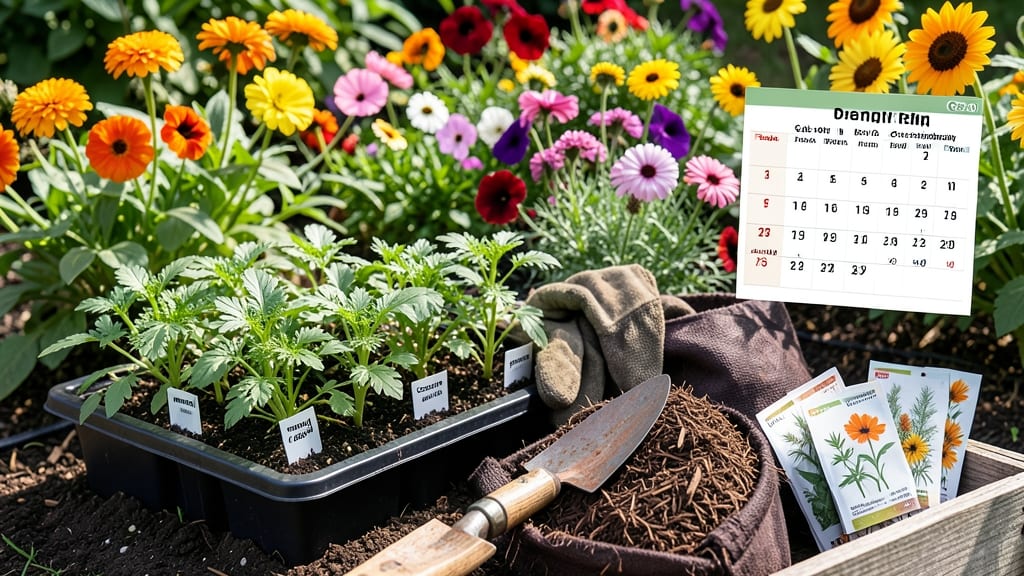
Timing your flowers in Georgia planting can mean the difference between a vibrant garden and a sad, wilting disappointment—especially when frost dates and summer heat play such a big role.
Whether you're in Atlanta’s 7a-8a zone or Savannah’s milder 8b, getting those bulbs and seedlings in the ground at the right moment is the key to nonstop color.
Most Georgia gardeners know spring is prime time for planting 🌸 flowers, but did you realize there’s a second chance in late summer? I’ll break down exactly when to start seeds, transplant tender varieties, and even extend your blooming season with smart techniques.
No more guessing—just a clear roadmap tailored to your local climate.
From cool-season favorites like pansies to heat-loving zinnias, each type has its own sweet spot for planting. We’ll cover how to read frost warnings, when to mulch for protection, and which flowers thrive in Georgia’s humidity.
Ready to turn your yard into a year-round paradise? Let’s get those flowers growing on schedule.
Whether you’re a first-time gardener or a seasoned pro, these insights will help you avoid common mistakes like planting too early or too late. By the end, you’ll know exactly when to dig in—so your garden stays ahead of Georgia’s unpredictable weather. Let’s make this your best planting season yet!
Georgia planting zones: frost dates & best months for annual flowers
Georgia spans USDA Zones 7a to 8b, meaning frost dates vary dramatically from the mountains to the coast. In Zone 7a (e.g., Blue Ridge), the last frost typically hits around April 15, while Zone 8b (e.g., Savannah) sees frost-free conditions by February 15.
These differences dictate when to plant cool-season flowers like pansies versus heat-loving annuals like zinnias.
For most of Georgia, the ideal planting window for spring flowers is March through April, once nighttime temperatures stay above 40°F. However, coastal areas can start as early as February, while higher elevations may need to wait until mid-April.
Understanding your microclimate—like a sheltered garden bed—can push your planting window by 2-3 weeks earlier or later.
Cool-season annuals like calendulas and snapdragons thrive when planted 6-8 weeks before the last frost, while warm-season favorites such as marigolds and cosmos should wait until 2 weeks after the last frost date. This timing ensures roots establish before summer heat arrives.
Georgia’s second planting season runs from August through September, perfect for heat-tolerant flowers like zinnias and sunflowers. These varieties bloom quickly and provide late-season color before frost arrives in November.
| Zone | Last Frost | Best Planting Window | Cool-Season Flowers | Warm-Season Flowers |
|---|---|---|---|---|
| 7a (Blue Ridge) | April 15 | March 15 - April 30 | Pansies, Sweet Alyssum | Marigolds, Zinnias |
| 7b (Atlanta) | March 25 | March 1 - April 15 | Violas, Stock | Cosmos, Sunflowers |
| 8a (Macon) | March 1 | February 15 - March 31 | Calendulas, Snapdragons | Petunias, Geraniums |
| 8b (Savannah) | February 15 | January 31 - March 15 | Pansies, Sweet Peas | Zinnias, Marigolds |
Note: Coastal areas may plant earlier; high elevations delay until mid-April.
If you’re unsure about your last frost date, check the University of Georgia Extension or local weather alerts. For example, Atlanta (Zone 7b) typically sees its last frost around March 25, while Savannah (Zone 8b) can start planting as early as January for heat-loving varieties.
For container gardening, you can extend the season by 2-4 weeks earlier or later, thanks to pots’ ability to absorb and retain heat. Just ensure containers have drainage holes to prevent root rot—Georgia’s humidity is no joke!
Pro tip: Use row covers or cold frames to plant cool-season flowers like lobelia as early as February in most zones. This trick lets you enjoy blooms weeks ahead of the typical schedule.
Remember, warm-season flowers planted too early may bolt (send up flower stalks prematurely) due to heat stress. Always wait until soil temperatures reach 60°F before transplanting seedlings.
Now that you’ve got your zone-specific timeline, let’s dive into the best flower varieties for Georgia and their exact planting windows in the next section. You’ll be amazed at
Top flower varieties in Georgia & their perfect planting times
Georgia’s diverse climate means some flowers thrive year-round, while others need precise timing to survive. I’ve tested these 12 top-performing varieties in my own garden—from heat-loving zinnias to frost-tolerant pansies—and here’s exactly when to plant them for maximum blooms.
For cool-season flowers like pansies and snapdragons, start seeds indoors 8-10 weeks before your last frost date (typically mid-February for most of Georgia). Transplant outdoors 4-6 weeks before frost to give roots time to establish before spring warmth arrives.
Warm-season favorites—think marigolds, zinnias, and sunflowers—love Georgia’s heat but need to wait until soil temps hit 60°F+. I plant these after Memorial Day (late May) to avoid transplant shock from cool nights.
🌸 Georgia Flower Planting Timeline
- 🌱 February-March: Cool-season annuals (pansies, violas) and spring-blooming bulbs (tulips, daffodils)
- 🌿 April-May: Perennials (azaleas, gardenias) and warm-season transplants (tomato flowers, salvias)
- ☀️ June-July: Heat-tolerant annuals (zinnias, marigolds) and succession plantings for fall color
- 🍂 August-September: Late-summer bloomers (cosmos, sunflowers) and bulb planting for spring
Native Georgia flowers like black-eyed Susans and coreopsis are low-maintenance and thrive with minimal intervention. Plant these in early spring (March) or late summer (August) for two bloom seasons. My garden’s coreopsis always reblooms in fall if I deadhead spent flowers by July.
Container gardening? Petunias and geraniums are my go-to for balconies—they love Georgia’s heat and bloom nonstop if planted after May 15. Just ensure pots have drainage holes to prevent root rot during our humid summers.
Don’t forget succession planting! Replace early bloomers like snapdragons with late-season zinnias in June to keep color going until frost. I’ve extended my garden’s season by 6-8 weeks using this trick.
Pro tip: Check the moon planting calendar for your region—root crops like hollyhocks grow best when planted during a waxing moon, while leafy flowers (like coleus) thrive with a waning moon. 🌙