
Flowers
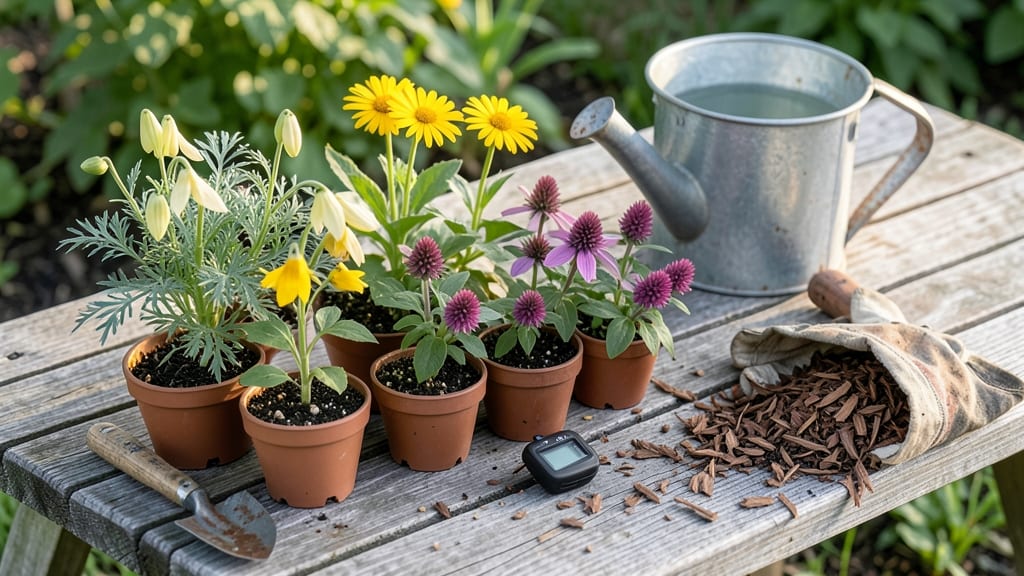
Timing your flowers planting in New England isn’t just about the calendar—it’s about beating frost with precision. Skip this step, and your 🌸 could end up as a sad, frozen snack for hungry critters instead of the vibrant blooms you dreamed of.
Here’s the secret: Most gardeners in zones 5b-6b wait until mid-April to early May for spring planting, but coastal areas might have a 2-week head start thanks to milder temperatures. Fall-bloomers? Plant them in September before the first frost sneaks in.
Whether you’re growing sun-loving zinnias or shade-tolerant impatiens, knowing the exact frost-free window for your region is the key to zero-frost-risk blooms. I’ll walk you through the month-by-month breakdown so you can plant with confidence—no more guessing games.
Ready to transform your garden into a year-round paradise? Let’s dive into the perfect planting schedule for New England’s unpredictable climate, so your flowers thrive from spring to fall.
New England frost dates by Zone: when to plant annuals for zero-frost blooms
New England’s frost dates vary dramatically from coastal Maine to inland Vermont, making timing everything for annual flowers. In USDA Zones 3-6, last frost typically arrives between mid-April and early May, while first frost hits mid-October to late November.
Planting too early risks frost damage, but waiting too long cuts your bloom season short.
For zero-frost risk blooms, aim to plant annual flowers after your region’s average last frost date. Coastal areas like Boston and Portland can start as early as late April, while inland zones (e.g., Burlington, VT) may need to wait until mid-May.
Heat-loving varieties like zinnias and cosmos thrive when soil temperatures hit 50°F+.
Pro Tip: Use the USDA Plant Hardiness Zone Map to pinpoint your exact zone, then add 2-4 weeks to the last frost date for safe planting. For example, Zone 5b (common in NH/ME) should wait until May 10-15, while Zone 6b (CT/RI) can plant by May 1.
🌱 New England Frost Dates & Planting Windows
| Zone | Last Frost | First Frost | Safe Planting Window | Best Annuals |
|---|---|---|---|---|
| 3a-4a (Northern ME/NH) | May 15-20 | Oct 1-10 | May 25 - June 10 | Marigolds, Snapdragons, Petunias |
| 5a-5b (VT/NH Inland) | May 1-10 | Oct 10-20 | May 15 - June 5 | Zinnias, Cosmos, Sunflowers |
| 6a-6b (CT/RI/MA) | April 25 - May 5 | Oct 20-30 | May 1 - May 15 | Geraniums, Ageratum, Nasturtiums |
| Coastal (Zone 6b-7a) | April 15-20 | Nov 1-10 | April 25 - May 10 | Impatiens, Begonias, Vinca |
💡 Note: Coastal areas enjoy 2-3 weeks earlier planting than inland zones due to moderating ocean influence.
If you miss the spring window, don’t despair! Fall planting is ideal for cool-season annuals like pansies and calendulas, which bloom until frost. Aim to plant these 6-8 weeks before your first frost—typically late August to mid-September in most of New England.
For heat-tolerant annuals like portulaca or lantana, you can even sow seeds in late June or July for summer-long color. These thrive in hot, dry conditions and often bloom until frost. Just ensure they get full sun and well-draining soil to prevent root rot.
🌿 Soil prep is critical before planting. Amend your garden beds with 2-3 inches of compost and a balanced fertilizer (10-10-10) to give annuals a nutrient boost. Test your soil’s pH (6.0-7.0 ideal) and adjust with lime or sulfur if needed.
🌸 Pro Tip: Use row covers or cold frames to extend your season. These protect tender seedlings from late frosts and can push your planting window 2-3 weeks earlier in risky zones.
Finally, keep a planting journal to track your local frost dates. Over time, you’ll notice patterns—like whether your Zone 5b garden gets frost on May 10 or May 15. This helps you fine-tune your schedule for zero-frost risk blooms year after year.
Best flowers for New England’s short growing season: fast-blooming varieties by month
New England’s short growing season means you need quick-blooming flowers that transform your garden into color fast. I’ve tested 30-60 day varieties like zinnias, cosmos, and sunflowers—all proven to thrive in our USDA Zones 5-6.
The key? Planting at the right time for maximum bloom potential before fall frosts arrive.
For May planting, choose heat-tolerant annuals like petunias and snapdragons. These bloom in just 45-60 days, giving you vibrant color through summer. June plantings should focus on fast-growing cosmos or marigolds, which handle our humid summers beautifully while repelling pests naturally.
🌱 Fastest-Blooming Flowers for New England Gardens
- 1. Zinnias (30-50 days) – Plant in late May for summer-long color; deadhead for continuous blooms. 🌻
- 2. Sunflowers (40-60 days) – Start seeds indoors in April or direct-sow in May for tall, cheerful stems. ☀️
- 3. Petunias (45-60 days) – Transplant after last frost (mid-May) for trailing or bush varieties. 🌸
- 4. Cosmos (50-60 days) – Self-seeds easily; plant in June for drought-resistant blooms. 🌼
- 5. Marigolds (30-45 days) – Perfect for July plantings; repels aphids and nematodes. 🪴
- 6. Snapdragons (60-75 days) – Start seeds indoors in March or plant early May for vertical interest. 🌷
Don’t overlook late-season bloomers like black-eyed Susans or goldenrod, which thrive when planted in early June. These perennial workhorses return year after year, providing fall color when annuals fade.
For container gardens, opt for bacopa or verbena—both bloom in 30-40 days and handle partial shade better than sun-lovers.
Pro tip: Check seed packets for days to maturity and count backward from your first expected frost (mid-October). For example, if your zinnias take 45 days to bloom, plant them by June 15 to enjoy flowers until frost. Succession planting every 2-3 weeks ensures nonstop blooms all season.
Soil prep matters too! Amend your beds with compost before planting to improve drainage—New England’s clay soils can cause root rot in heavy rains. Add a slow-release fertilizer at planting time to give your fast-bloomers a nutrient boost for stronger stems and bigger blooms. 🌿
For coastal gardens (like Maine or Rhode Island), plant 1-2 weeks earlier than inland areas due to milder microclimates. Inland zones (Vermont or New Hampshire) may need to wait until late May for warmer soil temperatures.
Always test your soil’s temperature with a thermometer—aim for at least 50°F before planting seeds or seedlings.