
Flowers
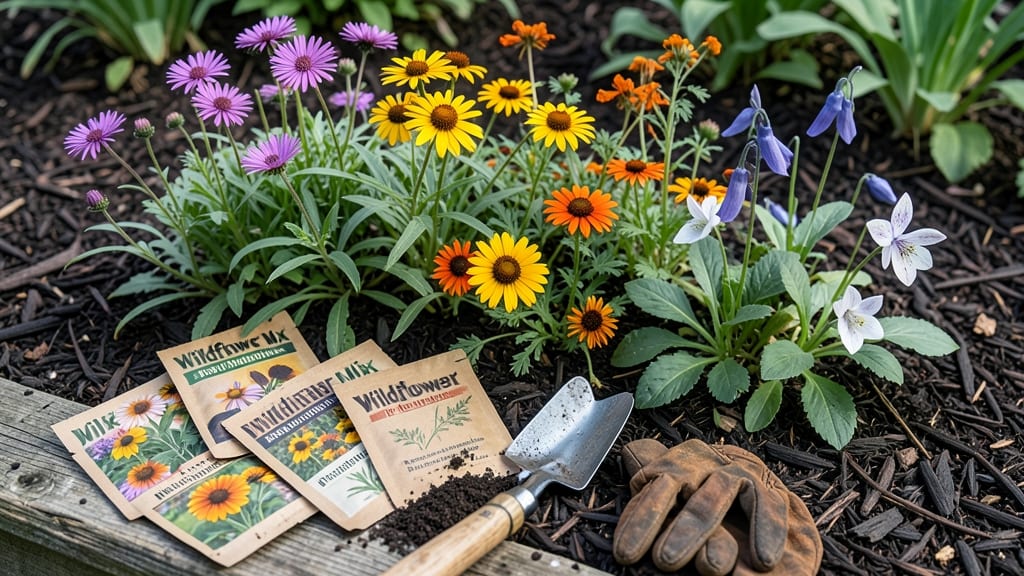
Timing your flowers in New Hampshire planting window could mean the difference between a garden bursting with color and one that struggles to take root.
With frost dates that can shift from mid-April to early May, getting it right is everything—but don’t worry, I’ve got the exact strategy to help you avoid those risky guesses.
New Hampshire’s 5a-6b zones bring unique challenges, especially for 🌸 perennials and delicate annuals. Whether you’re prepping for spring blooms or planning fall varieties, knowing when to plant ensures your flowers thrive from April through October.
Let’s break down the best months, soil prep, and even how to protect your garden from late frosts.
You’ll learn how to read your local microclimate, choose the right flowers for each season, and extend your planting window with simple tricks. No more wasted effort or disappointed blooms—just a garden that comes alive exactly when you want it to.
Ready to turn your New Hampshire garden into a vibrant showstopper? Let’s get started with the perfect planting timeline for your favorite flowers, no matter where you are in the state.
New Hampshire frost dates by planting Zone: exact timelines for flowers
New Hampshire spans USDA Zones 3-5, meaning frost dates vary dramatically from the White Mountains (Zone 3) to the seacoast (Zone 5). For flowers, this translates to a 4-6 week difference in planting windows—critical for avoiding frost damage.
The last spring frost typically arrives between mid-April (Zone 5) and early May (Zone 3), while the first fall frost hits as early as late September in the highlands.
Microclimates add another layer of complexity. Valleys and low-lying areas often experience later frosts due to cold air pooling, while south-facing slopes warm up 2-3 weeks earlier. For example, Portsmouth (Zone 6b) might see 30 frost-free days sooner than Mount Washington (Zone 3).
Always check your local weather station or use the NH Agricultural Experiment Station’s frost data for precision.
📌 Key Dates to Mark on Your Calendar:
- Zone 3 (White Mountains): Last frost May 10-20, first frost September 20-30
- Zone 4 (Central NH): Last frost May 1-10, first frost October 1-10
- Zone 5 (Seacoast): Last frost April 20-May 1, first frost October 15-25
| Zone | Last Frost Date | First Frost Date | Frost-Free Days | Best Planting Window |
|---|---|---|---|---|
| Zone 3 (White Mountains) | May 10-20 | September 20-30 | 150-160 days | May 21 - September 15 |
| Zone 4 (Central NH) | May 1-10 | October 1-10 | 160-170 days | May 11 - October 1 |
| Zone 5 (Seacoast) | April 20-May 1 | October 15-25 | 170-180 days | May 2 - October 15 |
*Dates vary yearly; use local data for precision.
For perennials, aim to plant 4-6 weeks before your last frost date—this gives roots time to establish before summer heat. Tender annuals, like marigolds or zinnias, should wait until 2 weeks after your last frost, as they won’t tolerate cold soil. Bulbs like tulips or daffodils are a special case: plant them in fall (September-October), allowing them to root before winter.
Pro tip: Hardened off seedlings can handle light frosts (28-32°F), but avoid planting until soil temps hit 50°F. Use a soil thermometer to check—cold soil slows germination. In Zone 3, consider starting cool-season flowers (like pansies) indoors in March to get a head start.
Fall planting is your second chance! Perennials planted in September (like black-eyed Susans or coneflowers) have time to establish roots before winter and bloom earlier the next spring. Just stop planting 6 weeks before your first frost—new growth won’t survive.
Don’t let April’s infamous “April Fools” frost catch you off guard. These late frosts (often April 15-30) can wipe out tender seedlings. Use frost cloth or row covers for 2-3 weeks after your average last frost date to protect young plants.
For Zone 3 gardeners, extend the season with a cold frame—it can add 3-4 weeks of growing time in spring and fall.
Remember: Microclimates matter more than your ZIP code. A south-facing wall can create a Zone 6 microclimate in an otherwise Zone 4 area. Test your spot by placing a frost-sensitive plant (like basil) in early May—if it survives, you’ve got a warmer microclimate than the averages suggest.
🌱 Start planning now: Bookmark your local Cooperative Extension Service
Best flowers to plant in NH by season: month-by-month guide
New Hampshire’s short growing season demands smart flower choices—each season offers unique opportunities. For spring blooms, focus on cold-hardy perennials like bleeding hearts and iris, which thrive when planted in March or early April once soil is workable.
These varieties handle late frosts better than tender annuals, giving you a head start on color.
As temperatures rise in May and June, switch to heat-loving annuals like zinnias and marigolds. These sun-worshippers need full sun and well-draining soil—perfect for NH’s longer daylight hours.
Plant them after Memorial Day (mid-May) to avoid frost damage, but don’t wait too late or they’ll bolt in the heat.
For fall interest, prioritize bulbs like tulips and perennials such as asters. Plant these in September to establish roots before winter. Their early blooms in April-May will reward your patience with vibrant displays before summer’s peak.
🌸
- 🌱 Perennials: Coneflowers, black-eyed Susans (plant March-April)
- 🌷 Cool-season annuals: Pansies, snapdragons (plant March-April)
- 🌿 Bulbs: Daffodils, hyacinths (plant October-November for spring blooms)
- 🌻 Heat-tolerant annuals: Zinnias, marigolds (plant after Memorial Day)
- 🌺 Container flowers: Petunias, geraniums (plant May-June)
- 🌿 Succession plant: Cosmos, sunflowers (sow every 2 weeks for continuous blooms)
- 🌼 Perennials: Asters, sedum (plant August-September for spring blooms)
- 🌷 Bulbs: Tulips, crocus (plant September-October)
- 🌿 Cover crops: Clover (plant late summer to improve soil)
Don’t overlook microclimates—valleys and south-facing slopes warm up faster than northern exposures. Use this to your advantage by planting tender annuals a week earlier in sheltered spots. For example, petunias in a sunny, south-facing bed might survive a week longer than those in a shady corner.
Pro tip: Deadhead spent blooms throughout the season to encourage reblooming. This simple task extends your flowers’ lifespan by 30-50%, giving you more color for your effort. Pair this with regular watering (1-2 inches per week) to keep your garden thriving from spring through fall.
✂️