
Flowers
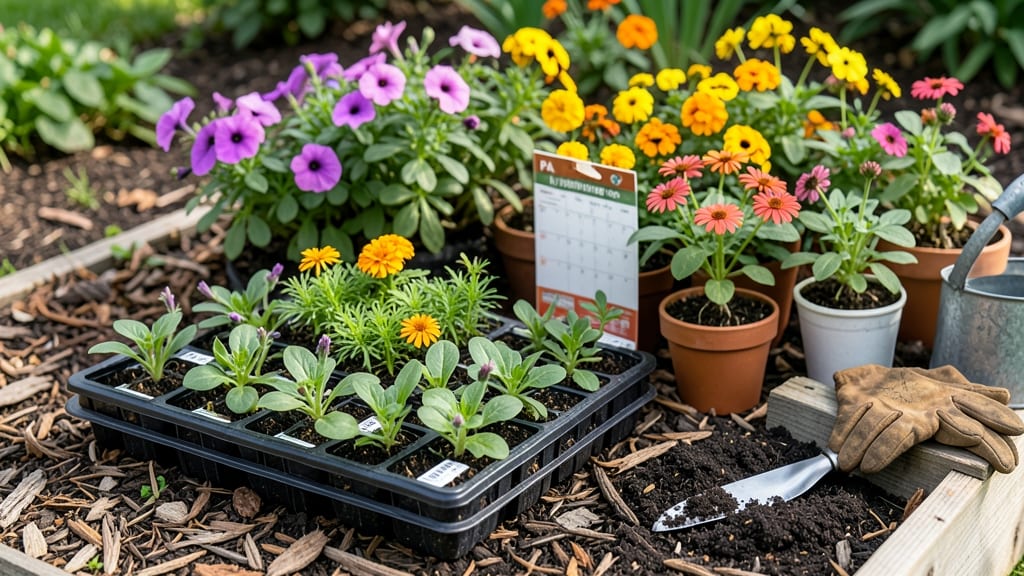
Timing your flower planting in Pennsylvania isn't just about picking a random weekend—it's the key to whether your 🌸 garden thrives or struggles. With hardiness zones ranging from 5b to 7a, getting the timing right means the difference between vibrant blooms and wilted disappointment.
Spring planting in March-May catches the perfect window after last frost dates, while fall options in August-September set roots before winter. But here's the catch: Pennsylvania's frost dates vary wildly from region to region, making a one-size-fits-all approach risky.
I'll show you exactly when to plant your favorite annuals, perennials, and bulbs based on your specific zone. Whether you're in Philadelphia's 7a or Pittsburgh's 6b, you'll learn the optimal months and how to adjust for microclimates that can push your garden's potential.
Ready to transform your garden? Let's dive into the zone-specific planting schedule that'll have your flowers blooming all season long—no guesswork required.
Pennsylvania planting zones: when to start flowers by hardiness Zone
Pennsylvania spans USDA hardiness zones 5b through 7a, creating distinct planting windows across the state. In Zone 5b (northern PA), last frost typically arrives by May 15, while Zone 7a (southern PA) often sees frost-free conditions by April 1.
These differences mean your planting timeline should shift based on your location—whether you're in Pittsburgh, Philadelphia, or rural Lancaster.
For annual flowers, aim to plant after your area's last frost date when soil reaches 60°F+. Perennials often tolerate earlier planting, but wait until soil is workable (usually April-May).
Bulbs like tulips and daffodils can be planted in fall (October-November) for spring blooms, while tender perennials like geraniums need to wait until after May 15 in cooler zones.
Understanding your microclimate is key—urban areas like Philadelphia may warm faster than rural zones, while valleys can experience 2-3 weeks later frosts than nearby hills. Check local frost data from Almanac.com or your county extension office for precise timing.
| Zone | Last Frost Date | Ideal Planting Window | Notes |
|---|---|---|---|
| 5b (Erie, State College) | May 15 | May 1 - June 15 | Wait for soil to warm; use row covers for early starts. |
| 6a (Harrisburg, Scranton) | April 25 | April 15 - May 30 | Perfect for cool-season flowers like pansies and snapdragons. |
| 6b (Lancaster, Allentown) | April 10 | April 1 - May 20 | Early bloomers like tulips thrive here. |
| 7a (Philadelphia, Pittsburgh) | March 25 | March 15 - May 10 | Longer growing season; plant heat-lovers like zinnias early. |
In Zone 5b, prioritize cold-hardy annuals like sweet peas and calendula for early spring color. These varieties tolerate 32°F+ temperatures and can be started indoors in March for transplanting after frost.
Meanwhile, Zone 7a gardeners can push the envelope with tropical flowers like cannas or dahlias, which need consistent warmth and should wait until after May 1.
For fall planting, aim to get perennials and bulbs in the ground by September 15 in northern PA and October 15 in southern zones. This gives roots time to establish before winter. Mums and asters are excellent fall choices—they bloom September-November and handle light frosts beautifully.
Pro tip: Use heat mats or cold frames to extend your season in cooler zones. These tools can push spring planting back by 2-3 weeks, letting you enjoy earlier blooms of petunias and geraniums. Just
If you're unsure about your exact zone, use the USDA Plant Hardiness Zone Map and cross-reference with your county's average frost dates. For example, Pittsburgh (Zone 6a) has a 10-day later frost than Philadelphia (Zone 7a), so adjust your marigold and zinnia planting dates accordingly.
One common mistake is planting tender annuals like impatiens too early. These beauties won't survive frost and may struggle in Zone 5b if planted before May 20. Instead, opt for frost-resistant varieties like stock or sweet alyssum for early-season color.
For container gardening, you have more flexibility—move pots indoors or to sheltered spots during late frosts. This lets you plant tender flowers like begonias in Zone 6a as early as April 15, then relocate them before May 10 if frost threatens.
Remember: Soil temperature matters more than air temperature. Use a soil thermometer to confirm 60°F+ before planting heat-loving flowers. In cooler zones, wait until May 15 even if air temps seem warm—cold soil can stunt root growth.
Best flowers to plant by month in Pennsylvania (Zone-specific guide)
Pennsylvania’s variable climate means timing is everything for flower success. In Zone 5b-7a, I’ve planted tulips in March and zinnias in June—both thrived because they matched the frost-free windows. Let’s break down the month-by-month planting calendar for your PA garden, including frost-resistant varieties and succession planting tips.
Start with cool-season flowers like pansies and snapdragons in March, as they tolerate light frosts. These hardy annuals bloom early, giving your garden instant color. For bulbs like daffodils, plant them in late September to October—they’ll establish roots before winter and burst into bloom in April.
April is prime time for spring-blooming perennials like peonies and irises. These plants need 6-8 weeks of warm soil to root before summer heat arrives. I always test soil temperature—60°F+ is ideal for most flowers. Annuals like petunias can go in after the last frost date (usually mid-April in most of PA).
For summer-blooming annuals, I recommend succession planting every 2-3 weeks from May to July.
This ensures continuous blooms—think zinnias (plant in May) followed by cosmos (June) and sunflowers (July). Perennials like coneflowers can handle direct sowing in May, while delicate annuals like impatiens need to wait until after Memorial Day to avoid frost damage.
Don’t overlook fall planting! Chrysanthemums and asters thrive when planted in August, giving you late-season color before winter. For winter interest, I plant pansies and hellebores in September.
These cold-hardy beauties bloom even in snow, adding cheer to gray days. Always mulch heavily after planting to protect roots from freeze-thaw cycles.
Pro tip: Use row covers for early spring plantings to shield tender flowers from late frosts. I’ve saved entire beds of tulips and daffodils by covering them with frost cloth after a 28°F night.
And remember—soil temperature matters more than air temperature. A deep soil thermometer is your best friend for timing plantings perfectly.