
Plants
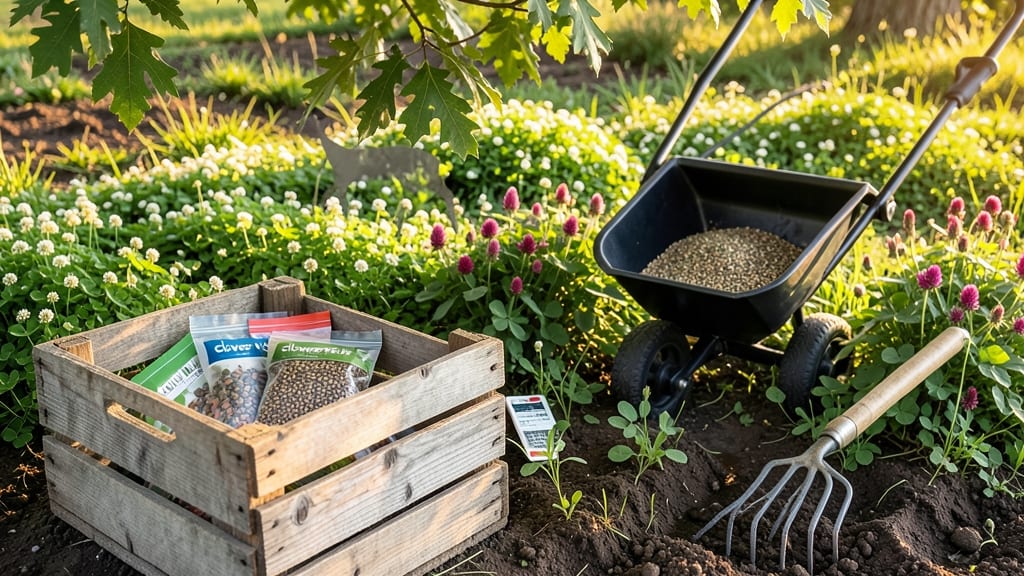
When to plant food plots in Texas just right could mean the difference between a thriving deer destination and a missed opportunity—get it wrong, and you’ll watch your plot struggle through drought or freeze before it even takes hold.
This isn’t just about throwing seeds in the dirt and hoping for the best. Texas’s 8a-10b zones create unique challenges, from unpredictable frost dates to brutal summer heat that can fry young plants before they sprout.
But when you nail the late summer to early fall window, you’re setting up a lush feeding ground that deer will return to again and again.
I’ve seen firsthand how a properly timed planting can transform a patch of dirt into a year-round buffet—clover blooming in spring, brassicas thriving in fall, and sorghum standing tall through winter. The key? Understanding your local microclimate and working with it, not against it.
Let’s break down the exact deadlines you need to hit in Texas, the crops that perform best in each season, and how to avoid the costly mistakes that derail even the most eager plotters. Your deer won’t wait—so let’s get planting.
Texas food plot planting deadlines by hardiness zones (8a-9b)
Texas spans USDA hardiness zones 8a through 10b, but the best food plot planting windows vary dramatically between North Texas (cooler) and South Texas (warmer). Deer behavior also shifts with seasonal food availability—planting at the wrong time means missing peak feeding frenzies when bucks are most active.
For North Texas (Zones 8a-8b), focus on late summer to early fall (August-October) for fall regrowth, or early spring (February-March) to beat the heat. South Texas (Zones 9a-9b) can plant year-round, but September-October and February-March are ideal to align with deer rutting cycles.
🌱 Pro Tip: Use soil thermometers—wait until soil temps drop below 85°F in fall or rise above 55°F in spring for optimal germination.
Missed the fall planting window? No problem—winter ryegrass or crimson clover can be sown as late as December in South Texas for spring forage. Just avoid planting in extreme heat (above 95°F), as seeds may fail to germinate.
🌿 Why Timing Matters: Deer rely on food plot freshness during rutting season (September-November). A late August planting of clover or brassicas ensures lush growth by October, when bucks are most active.
For North Texas landowners, prioritize fall food plots—they provide critical nutrition when natural forage is scarce. In South Texas, diversify crops to extend deer activity through winter and spring.
📅 Actionable Deadline: Mark your calendar for September 1st—this is the last ideal day to plant cool-season crops in most of Texas for fall growth. Use fast-germinating seeds like turnips or radishes to beat the clock.
🌡️ Texas-Specific Challenge: Drought stress can kill food plots if planted too late. Always test soil moisture before committing to a large plot—drip irrigation is a game-changer for survival.
Texas food plot planting deadlines by hardiness zones (8a-9b)
Texas spans USDA zones 8a through 10b, meaning frost dates vary dramatically from north to south. In Zone 8a (north Texas), your last frost typically arrives by mid-January, while Zone 9b (south Texas) rarely sees frost at all.
This variation means your planting window shifts—fall plantings dominate for winter forage, while spring offers a secondary chance for summer growth.
For maximum deer activity, aim to plant when soil temps drop below 85°F (ideal for fall) or before the last frost in spring. In north Texas, this means late August to mid-October for fall, while south Texas can extend planting into November.
Spring plantings should start by February to beat the heat.
🌱 Texas Food Plot Planting Timeline by Zone
| Zone | Fall Planting Window | Spring Planting Window | Key Trigger |
|---|---|---|---|
| 8a (North) | Late Aug - Mid-Oct | Feb 1 - Mar 15 | Soil temp <85°F / Last frost |
| 9a (Central) | Mid-Aug - Nov 1 | Feb 15 - Apr 1 | First frost risk / Rainfall |
| 9b (South) | Aug - Dec 1 | Mar 1 - Apr 15 | No frost / Humidity |
*Adjust for rainfall—drought delays germination in summer plantings.
Deer behavior dictates peak forage timing. Fall plantings (like clover or brassicas) provide winter food when natural browse is scarce, while spring plantings (e.g., sorghum or millet) offer summer sustenance.
Pro tip: Plant winter-hardy crops by October to ensure deer have food through January-February, when natural food sources dwindle.
Texas’ unpredictable rainfall adds complexity. Always test soil moisture before planting—dry conditions in September-October can stall germination. In south Texas, hurricane season (June-Nov) may delay fall prep, so prioritize soil amendments in May-June for late-summer plantings.
For year-round deer activity, stagger plantings: August (summer cover), October (winter forage), and February (spring growth). This creates a continuous food source, keeping deer on your property longer. Monitor local Texas A&M AgriLife Extension updates for zone-specific frost data—it’s your best tool for adjusting deadlines.
Remember: Soil prep matters more than dates. Even with perfect timing, poor soil leads to weak growth. Test your soil’s pH (6.0-7.0 ideal) and add compost or lime 4-6 weeks before planting. This step alone can double your success rate in Texas’ variable climate.