
Plants
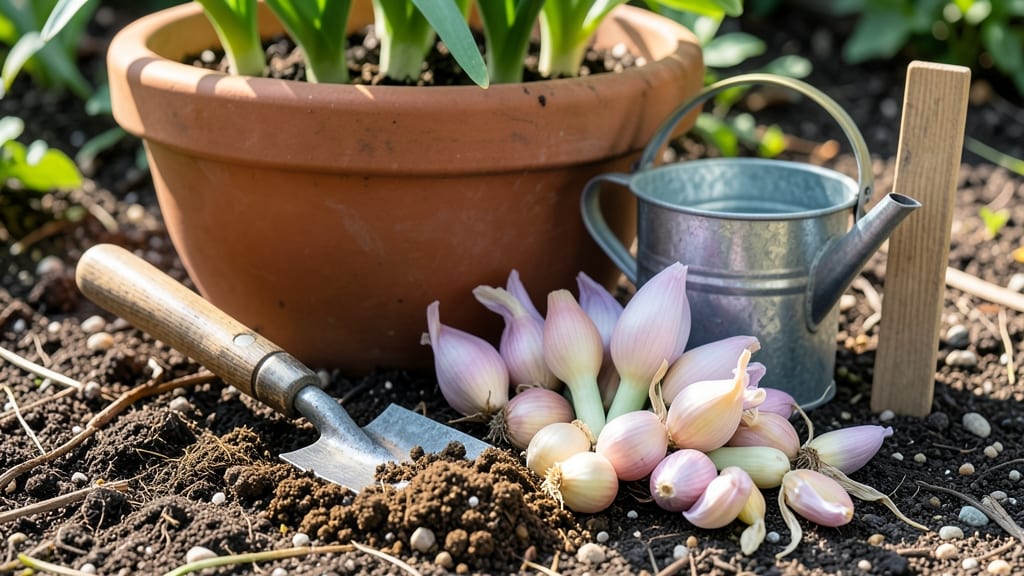
Planting freesia bulbs in Zone 5 isn’t just about timing—it’s about frost-date math that keeps your 🌸 blooms thriving next spring. Skip the guesswork, and you risk soggy bulbs or frost-killed dreams before they even sprout.
The key? Planting 6-8 weeks before your first frost (usually late August to early September) gives freesias enough time to root before winter’s chill sets in.
Why does this matter? Freesias need 8-10 weeks of dormancy before blooming, and Zone 5’s short growing season demands precision. Plant too early, and your bulbs may rot in wet soil; too late, and winter’s freeze will halt growth entirely.
The solution? A simple calculation: subtract 12-14 weeks from your last frost date (April 15 in Zone 5) to pinpoint the perfect window.
Once you’ve nailed the timing, the next step is prep—soil, depth, and spacing make all the difference. Freesias hate soggy roots, so well-draining soil and 3-4 inches of depth are non-negotiable. Whether you’re planting in containers or garden beds, spacing them 2-3 inches apart ensures airflow and prevents disease.
Ready to unlock those vibrant spring displays? I’ll walk you through the exact steps—from frost-date math to post-planting care—to guarantee your freesias burst into bloom right on schedule. Let’s get growing!
Zone 5 frost-date math: exact weeks before first frost for freesia success
Zone 5 gardeners face a critical 6-week window for planting freesia bulbs—too early, and they’ll rot in soggy soil; too late, and winter frost will kill them before blooming. The secret lies in backward planning from your average first frost date, typically between October 15–November 15 in Zone 5.
Freesias need 8–10 weeks of dormancy before winter sets in. This means you should plant them 6–8 weeks before frost, usually in late August to early September.
For example, if your frost date is October 20, aim to plant by September 1–5 to ensure roots establish but bulbs stay dormant.
Pro tip: Check your local USDA Plant Hardiness Zone Map for precise frost dates—some Zone 5 areas (like northern Michigan) freeze earlier than others (like western Pennsylvania). Adjust your timeline by 1–2 weeks if needed.
Here’s the golden rule: Plant freesia bulbs when soil temps drop below 60°F but haven’t yet hit 50°F. Use a soil thermometer to confirm—this sweet spot ensures roots grow but bulbs don’t sprout prematurely.
Why this timing? Freesias are tender bulbs (not hardy like tulips). They need time to root deeply before winter, but if planted too early, they’ll sprout and die in fall rains. The 8–10 week dormancy mimics their natural Mediterranean cycle, where bulbs rest in dry summers.
Zone 5 Freesia Planting Timeline
| Stage | Action | Zone 5 Timeframe |
|---|---|---|
| Soil Prep | Amend soil with compost/sand; loosen clay | June–July |
| Bulb Purchase | Buy firm, dry bulbs from nurseries | Late July–August |
| Planting Window | Plant 6–8 weeks before frost | Late August–Early September |
| Dormancy | Bulbs rest in soil; roots establish | September–October |
| Winter Protection | Mulch with straw; avoid decay | November–March |
| Spring Growth | Shoots emerge; blooms in May–June | April–June |
🌱 Key: Adjust dates 1–2 weeks earlier for colder microclimates.
For a foolproof method, use this frost-date calculator: Subtract 10 weeks from your average first frost date. Example: If frost hits October 25, plant by August 25. This ensures bulbs root but don’t sprout before winter.
Container gardeners can extend their window slightly—plant 2 weeks later than in-ground, since pots warm faster in spring. However, never plant after September 15 in Zone 5, or bulbs risk freezing before establishing roots.
Remember: Freesias won’t bloom until the following spring (12–14 weeks after planting). The fall dormancy period is non-negotiable—skipping it means weak stems and fewer flowers. Think of it as preparing for a marathon, not a sprint.
If you’re unsure about your frost date, check your local Cooperative Extension Service or use apps like PlantMap. These tools provide hyper-local data that beats generic Zone 5 averages. A 2-week difference can mean the difference between vibrant blooms and frozen bulbs.
Once you’ve nailed the timing, the next challenge is soil prep—but that’s a story for our next section. For now, mark your calendar for late August and get those freesia bulbs in the ground!
They’ll reward you with fragrant, colorful blooms that brighten up even the dreariest Zone 5 spring.
Zone 5 frost-date math: exact weeks before first frost for freesia success
Zone 5 gardeners face a critical 6-week window for planting freesia bulbs—too early, and they’ll rot in soggy fall soil; too late, and winter frost will kill them before blooming.
The key is calculating 8–10 weeks before your average first frost date (typically October 15–November 15 in Zone 5). For most gardeners, this means late August to early September planting.
Freesias need 12–14 weeks of cool-season growth before blooming. If you plant too late, they’ll enter dormancy before flowering. Conversely, planting too early exposes bulbs to excess moisture and fungal rot.
Use your local USDA Plant Hardiness Zone 5 frost calendar as your guide—most online tools let you input your ZIP code for precise dates.
Here’s the math breakdown for Zone 5:
- Find your average first frost date (e.g., October 15).
- Subtract 10 weeks (70 days) for a safe planting window.
- Adjust ±1 week based on your soil’s drainage (sandy soil? Plant earlier; clay soil? Wait a week).
| Zone 5 Timeline | Action | Notes |
|---|---|---|
| Late August | Plant bulbs | Ideal for sandy/well-draining soil |
| Early September | Plant bulbs | Best for clay/heavy soil |
| October 15 | First frost | Bulbs must be planted 10 weeks prior |
| May–June | Blooms appear | 12–14 weeks after planting |
Pro tip: If your soil stays warm into September, opt for early September planting—freesias thrive in 60–65°F soil. Use a soil thermometer to check depth (3–4 inches). For container gardening, plant 2–3 weeks earlier since pots warm up faster.
Missed the window? Don’t panic. Freesia bulbs can be forced indoors in late winter (plant in pots in January) for Easter blooms. Just ensure they get bright light and consistent moisture until spring. For outdoor gardeners, late August remains the gold standard for Zone 5 success.
Remember: Freesias are not frost-hardy—they’ll die if exposed to 32°F or below. Mulch heavily after planting to insulate bulbs, but avoid smothering them. Aim for 3–4 inches of straw or shredded leaves once soil temps drop below 50°F.