
Trees
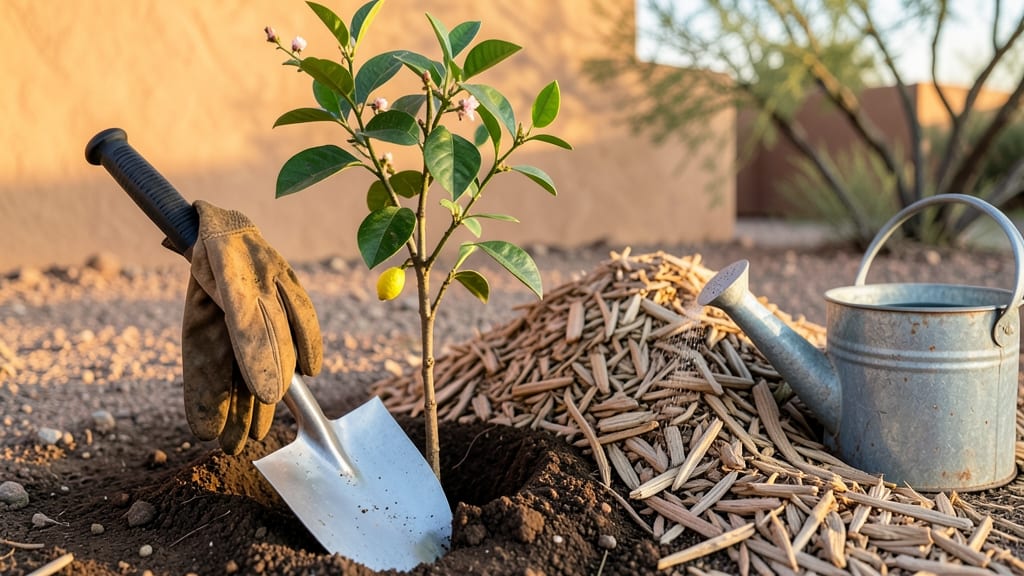
Timing your fruit tree 🍎 planting in Arizona isn’t just about following a calendar—it’s about outsmarting the desert’s brutal heat and unpredictable monsoons. Plant too early, and your young tree might struggle through summer’s scorching temperatures; too late, and it could face winter’s rare cold snaps.
The sweet spot? A carefully chosen window that lets roots establish before the real challenges arrive.
Most Arizona gardeners swear by planting between November and February, when cooler temps and occasional rains give saplings the best chance to thrive. But here’s the catch: your specific heat zone (like 9b) and microclimate can shift that window by weeks—sometimes even months.
Whether you’re growing citrus that loves the heat or stone fruits that need a little break, knowing these nuances is the key to success.
I’ve seen firsthand how a well-timed planting can mean the difference between a struggling tree and one that grows strong enough to bear fruit for decades.
In this guide, I’ll walk you through the exact months to plant in your corner of Arizona, plus the critical factors—like soil prep and watering—that make or break your tree’s survival. Let’s get those roots in the ground the right way.
Ready to avoid the common mistakes that kill 50% of newly planted fruit trees in Arizona? You’ll learn how to pick the perfect moment, prep your soil like a pro, and keep your tree hydrated without wasting water. The best time to plant isn’t just a season—it’s a strategy.
Arizona’s ideal fruit tree planting months by heat Zone
Arizona’s USDA heat zones 7b-11 create dramatic differences in planting success. Unlike cooler climates, timing here hinges on soil warmth, monsoon patterns, and avoiding summer’s brutal heat. Most fruit trees—citrus, stone fruits, and nuts—thrive when planted during cool-season windows when roots establish before summer stress.
For low desert zones (9-11), like Phoenix or Tucson, the best months are November through February. These zones rarely see frost, but extreme heat in summer can scorch young roots.
In high desert zones (7b-8), such as Flagstaff or Prescott, you can extend planting into early March to take advantage of cooler spring soil temperatures.
Citrus trees, like oranges and lemons, are exceptions—they hate cold snaps and should only be planted in Zone 10+ during winter’s mildest months (Dec-Feb). Meanwhile, stone fruits (peaches, plums) and pomegranates can handle slightly cooler soil, making them ideal for high desert planting in late winter.
Here’s a quick guide to avoid common mistakes: Never plant in summer—the heat will shock roots. And avoid fall planting in Zone 7b if early frosts are forecasted. Instead, wait until spring’s last frost date (typically mid-March in high desert areas).
🌱
In Zone 11, where frost is nearly unheard of, you can technically plant year-round. However, I recommend sticking to winter months (Nov–Feb) to give roots time to establish before summer’s 110°F+ soil temperatures.
For tropical varieties like mangoes or bananas, avoid planting in summer—even in Zone 11—because the intensity of sunlight can burn young leaves.
If you’re in a microclimate, like a shaded urban area or a high-elevation pocket, adjust your timeline by 1-2 months. For example, a Flagstaff backyard might align with Zone 7b, while a Phoenix courtyard could be Zone 10a.
Always check local frost data and soil temperature trends before committing to a planting date.
Pro tip: Bare-root trees planted in winter (Nov–Feb) outperform container-grown trees in Arizona’s heat. Their roots establish faster in cooler soil, giving them a 30% survival advantage over summer-planted saplings. If you must plant in spring (March–April), choose container-grown trees to minimize transplant shock.
🌿
Critical factors that determine your planting timeline
Arizona’s desert climate isn’t just about calendar months—it’s about soil temperature, monsoon patterns, and even tree dormancy. Unlike temperate zones, your planting window depends on when the ground cools enough for roots to establish without heat stress.
For example, low desert areas (like Phoenix) can plant in late fall or winter, while high desert (Flagstaff) might extend into early spring due to cooler nights.
Another game-changer is Arizona’s monsoon season. Planting in July or August might seem risky, but if you’re in a shaded microclimate with drip irrigation, some heat-tolerant varieties (like pomegranates) can handle it.
The key is soil moisture—monsoon rains can temporarily create ideal conditions for root growth, but timing must align with rainfall predictions.
Frost risk is often overlooked in Arizona, but high-elevation areas (USDA Zone 7b) can experience light frosts in winter. While most fruit trees thrive in frost-free zones, stone fruits (like peaches) need chill hours to fruit properly. Planting too late in Zone 7b might delay dormancy, leaving young trees vulnerable to unexpected cold snaps.
Tree dormancy is your best friend. Most citrus trees and figs are evergreen and can be planted year-round in Zone 10-11, but deciduous varieties (like apricots) need to be planted while dormant—typically November through February. Dormant trees have lower water needs and faster root establishment because they’re not actively growing.