
Planting
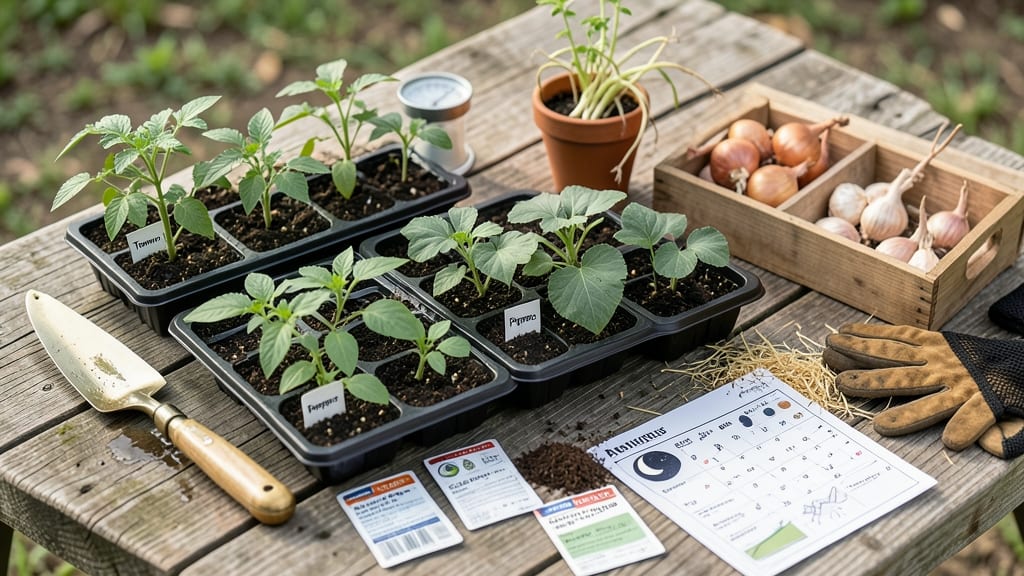
When to plant a garden in Arkansas isn’t just about following a calendar—it’s about beating frost, avoiding heat stress, and maximizing those 180 frost-free days that make this state such a gardener’s paradise. Whether you’re in the cooler 6b zones of the Ozarks or the milder 8a areas near the Mississippi Delta, planting too early or late can mean the difference between a bumper crop and a sad, wilted disappointment.
I’ve spent years watching Arkansas gardens thrive (and fail) based on one simple factor: when seeds hit the soil. The ideal window for most 🌱 General Arkansas Garden crops—from tomatoes to zucchini—opens in March through May, but even that varies by region.
Miss the mark, and you’ll either be racing against late frosts or wilting under summer’s oppressive heat before your plants even get a chance to shine.
What if you could pinpoint the exact months to plant—down to the week—for your specific corner of the state? That’s what this guide does, using real data from the Arkansas Extension Service and local gardener insights.
We’ll break down the best planting months for everything from cool-loving lettuce to heat-hungry peppers, plus how to adjust for Arkansas’ famously unpredictable weather.
Ready to stop guessing and start growing? Let’s dive into the precise planting schedule that’ll turn your Arkansas garden from “maybe next year” to “this is why I love gardening!”
Arkansas planting calendar by hardiness zone: exact months for vegetables, flowers & herbs
Arkansas spans USDA hardiness zones 5a through 8a, creating dramatic differences in planting windows from the cool mountain valleys of the Ozarks to the warmer river bottoms near the Mississippi.
For example, Northwest Arkansas (zone 6b-7a) typically plants tomatoes in late April to early May, while Southeast Arkansas (zone 7b-8a) can start as early as mid-March—a full month earlier!
To simplify, I’ve organized this guide by three key planting periods that work across most Arkansas gardens: early spring (cool-season crops), late spring (warm-season crops), and fall (cool-season crops again).
The last frost dates vary by 15-30 days across the state, so I’ll highlight regional adjustments for Northwest, Central, and Southeast Arkansas.
🌱
| Planting Period | Northwest Arkansas (Zones 6b-7a) | Central Arkansas (Zones 7a-7b) | Southeast Arkansas (Zones 7b-8a) |
|---|---|---|---|
| Cool-Season Crops (Lettuce, Peas, Spinach, Broccoli) | March 1 - April 15 | February 20 - April 1 | February 1 - March 31 |
| Warm-Season Crops (Tomatoes, Peppers, Cucumbers) | April 15 - May 15 | April 1 - May 1 | March 15 - April 30 |
| Fall Cool-Season Crops (Kale, Carrots, Radishes) | August 1 - September 15 | July 15 - September 1 | July 1 - August 31 |
| Soil Temperature Threshold | 50°F+ for cool crops | 55°F+ for warm crops | 60°F+ for warm crops |
Note: Adjust dates by 1-2 weeks for microclimates (e.g., low-lying areas frost later).
For cool-season crops, aim to plant 4-6 weeks before your average last frost date. In Northwest Arkansas, that means starting lettuce and spinach by early March, while Southeast Arkansas gardeners can begin as early as late February.
These crops thrive in 50-65°F soil temperatures, so test your soil with a soil thermometer—if it’s colder, wait or use row covers.
Warm-season crops like tomatoes and peppers need soil temperatures above 60°F and consistent warmth. In zone 6b (Northwest Arkansas), hold off until mid-April to avoid late spring frosts, which can devastate young seedlings.
Meanwhile, zone 8a (Southeast Arkansas) gardeners can plant tomatoes by mid-March—just be prepared for humidity-related diseases like early blight.
🌿
Don’t overlook fall planting, which can be just as productive as spring. Kale, carrots, and radishes planted in late summer (August-September) often produce sweeter, hardier crops than spring plantings.
The key is to time it so harvests occur before hard frosts—typically November 15 in the North to December 15 in the South. Use black plastic mulch to warm soil for early fall plantings or straw mulch to protect crops from early winter chills.
Pro tip: Arkansas State University Extension Service recommends succession planting every 2-3 weeks for crops like lettuce and bush beans to ensure a continuous harvest.
For example, plant one batch of lettuce in early March, another in mid-March, and a final batch in late March—this stretches your harvest from April through June without gaps.
🌱
For perennials and trees, the best time to plant in Arkansas is early spring (March-April) or fall
How to adjust planting times for Arkansas’ unpredictable weather patterns
Arkansas’ weather can be as unpredictable as a spring shower—one day warm and sunny, the next with a surprise frost. If you’ve ever watched your tomato seedlings wilt overnight or your peppers struggle in sudden heat, you know how critical it is to adapt.
The key is understanding your microclimate and having backup strategies for those unpredictable weather swings.
Northwest Arkansas (Zone 6b-7a) often faces later last frost dates (mid-April) compared to the southeast (Zone 7b-8a), where soil warms faster by early March. Even within the same zone, a hilltop garden may freeze while a valley plot thrives.
That’s why I always adjust my planting timeline based on local weather forecasts and historical data from the Arkansas Cooperative Extension Service.
Here’s how I handle Arkansas’ unpredictable weather without sacrificing my garden’s potential:
Late Frosts Are Real in Arkansas
Even after your average last frost date, temperatures can dip into the 30s°F—especially in Northwest Arkansas. I’ve seen April frosts delay planting by weeks. To protect warm-season crops like tomatoes and peppers, I use row covers or cold frames until the soil stays above 60°F for 5+ days.
Pro Tip: Check the National Weather Service’s Arkansas frost forecast weekly in March and April. If frost is predicted, cover seedlings with lightweight fabric or move potted plants indoors.
For heat-sensitive crops like lettuce or spinach, I start seeds indoors in late February for a spring harvest before the summer heat arrives. By the time outdoor temps hit 90°F+, these greens bolt, and all that effort goes to waste.
I also plant shade-tolerant varieties (like Malabar spinach) in partial shade to extend their season.
Another trick? Succession planting in 2-week intervals ensures a steady harvest. If a heatwave hits, the newest plants are still young and can handle the stress better than mature ones.
For example, I plant bush beans every 14 days from April through June to avoid a single massive crop failing in the summer heat.
Don’t forget about humidity’s role—Arkansas’ sticky summers can lead to fungal diseases like powdery mildew. To combat this, I water deeply in the morning (giving plants time to dry before nightfall) and choose disease-resistant varieties, like ‘Celebrity’ tomatoes or ‘Jalapeño M’ peppers.
Raised beds also improve airflow and reduce humidity-related issues.
Finally, keep a gardening journal to track your local microclimate. Note when your soil warms to 60°F, when frosts hit unexpectedly, and which crops thrive in your spot.
Over time, you’ll spot patterns and adjust your planting schedule with confidence—because in Arkansas, flexibility is just as important as timing. 🌱