
Planting
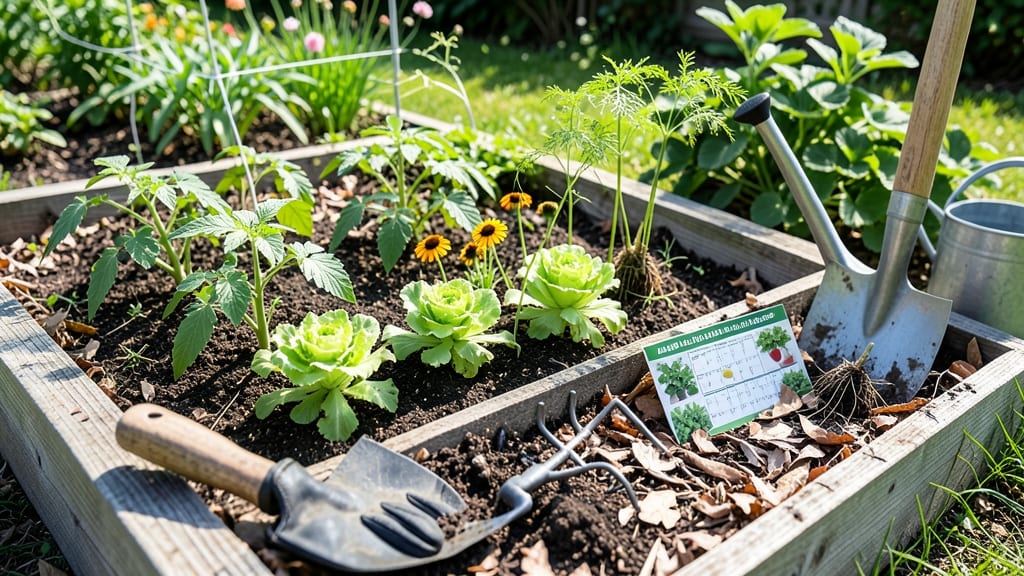
When to plant a garden in Kentucky can make all the difference between a thriving harvest and a sad, wilted disappointment—especially when those last frost dates sneak up faster than you think. If you’ve ever planted lettuce only to watch it freeze overnight or rushed tomatoes into the ground too early, you know how frustrating it gets. The key isn’t guessing; it’s working with Kentucky’s Zone 6b climate, where average last frosts hit between mid-April and early May, and first frosts return as early as October.
I’ve spent years tracking the perfect planting windows for everything from cold-hardy spinach to heat-loving peppers, and the secrets aren’t just about dates—they’re about soil temperature, microclimates, and even the quirks of Kentucky’s Bluegrass vs. Appalachian regions.
Whether you’re a first-time gardener or a seasoned pro, these insights will help you avoid common mistakes and maximize your harvest from summer through fall.
Ready to stop second-guessing and start planting with confidence? Let’s break down the exact month-by-month deadlines for your garden, plus pro tips to adjust for Kentucky’s unpredictable weather. Your future salad bowls will thank you.
From preparing soil in early spring to extending your growing season in fall, this guide covers all the essentials—so you can finally get the thriving garden you’ve been dreaming of. No more wasted seeds or bolted greens—just perfectly timed planting for a Kentucky garden that delivers.
Kentucky Zone 6b planting calendar: exact dates by crop type
Kentucky’s Zone 6b climate means your planting schedule hinges on two critical dates: the average last frost date (mid-April to early May) and the first frost date (mid-October). These dates vary slightly across regions—Bluegrass areas warm up faster than Appalachian foothills, so adjust accordingly.
Below, I’ve broken down the ideal planting windows for cool-season crops, warm-season crops, and perennials to maximize your harvest.
For cool-season vegetables like lettuce, spinach, and peas, start seeds 4-6 weeks before your last frost date. In Kentucky, that’s typically mid-March to early April. These plants thrive in 50-65°F soil temperatures and can even handle light frosts.
Meanwhile, warm-season crops such as tomatoes, peppers, and cucumbers need to wait until soil temperatures hit 60°F or warmer, usually mid-May to early June.
Here’s where many gardeners go wrong: they plant heat-lovers too early, only to watch them bolt or wilt when temperatures dip. Use a soil thermometer to verify readiness—60°F is non-negotiable for tomatoes and peppers.
For herbs like basil, wait until after Memorial Day to avoid frost damage. Even flowers like marigolds and nasturtiums should go in after the last frost, as they’re sensitive to cold snaps.
Don’t overlook fall planting, which is just as productive as spring. In Kentucky, you can sow cool-season crops like kale, carrots, and radishes from late July to early August for a harvest before the first frost.
These plants mature quickly and tolerate light frosts, making them perfect for extending your growing season. For example, radishes can be ready in as little as 25 days, so time your planting for a mid-October harvest.
If you’re new to fall gardening, start with fast-maturing varieties like ‘Early Wonder’ peas or ‘Cherry Belle’ radishes. These are forgiving if you miss the window by a week or two.
For perennials like asparagus, plant crowns in early spring or fall—they establish roots slowly and need 2-3 years to produce spears. Meanwhile, strawberries thrive when planted in early spring for a summer harvest or late summer for a fall harvest.
One of my biggest lessons? Soil temperature matters more than air temperature. A chilly morning might fool you into thinking it’s too early, but if the soil is 60°F+, warm-season crops like squash and beans will thrive.
Invest in a soil thermometer (they’re under $15) to avoid costly mistakes. For herbs like dill and cilantro, which bolt in heat, succession plant every 2 weeks from spring
How to adjust planting times for Kentucky’s microclimates and weather quirks
Kentucky’s diverse geography means your planting schedule should shift depending on where you live. The Bluegrass region (like Louisville) enjoys milder winters, while Appalachian areas (such as Eastern Kentucky) face colder microclimates.
Even a 50-mile difference can change your frost dates by 1-2 weeks, so check your local USDA Zone 6b specifics.
Urban areas like Lexington or Bowling Green often experience urban heat islands, where pavement and buildings trap heat. This can push last frost dates 5-7 days earlier than rural spots. If you’re in a city, start heat-loving plants like tomatoes and peppers 10 days earlier than rural guidelines.
Late-spring frosts are Kentucky’s biggest wildcard. Even after the average last frost date (mid-April to early May), a hard freeze can hit in late May. Use row covers or cold frames to protect tender seedlings until May 15, when the risk drops significantly.
- Elevation matters: Higher elevations (e.g., Mountain Parkway) get frost 10-14 days later than valleys.
- Soil warmth varies: Test soil temperature—50°F+ for peas, 60°F+ for tomatoes.
- Urban vs. rural: City gardens warm 2-3°F faster than countryside plots.
- Wind exposure: Windy sites (like Cumberland Gap) dry out faster—plant windbreaks or water 10% more.
- Microclimate mapping: Observe your yard for sunniest/windiest spots and adjust planting zones.
For fall planting, Kentucky’s first frost typically arrives between October 15-30, but Appalachian regions can see frost as early as September 20. Plant cool-season crops like kale or spinach by August 15 to harvest before frost.
Use black plastic mulch to extend the season by 2-3 weeks.
If you’re unsure about your local microclimate, start with cold-hardy crops like radishes or lettuce in early April. These act as frost indicators—if they survive, your tomatoes and peppers are safe to plant 2-3 weeks later.
Pro tip: Keep a gardening journal for 2 years to track your actual frost dates. Kentucky’s weather is unpredictable, but your data will become your most reliable guide over time. 🌿