
Plants
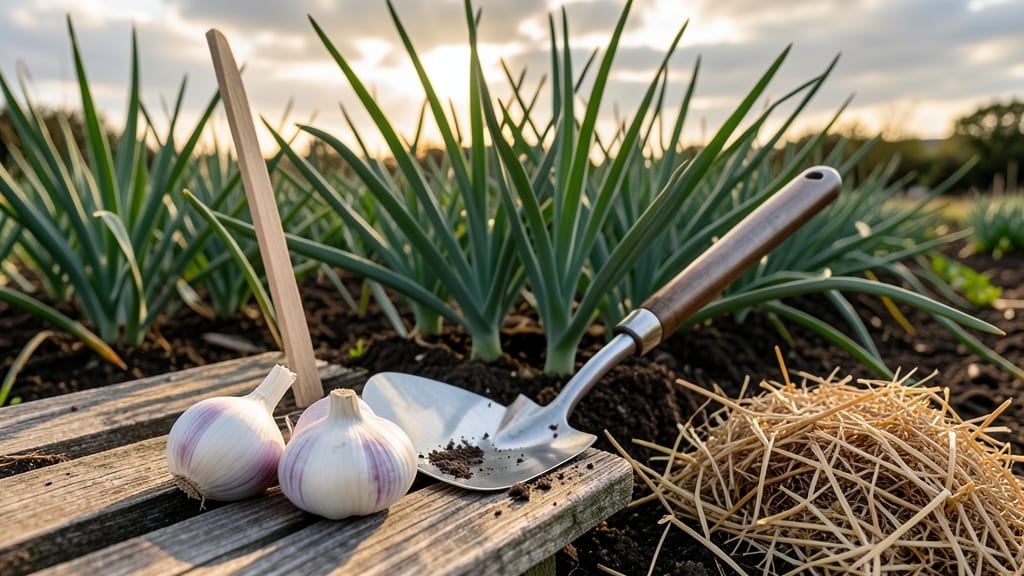
Timing your garlic planting in Zone 5a during the fall window is the secret weapon behind those plump, flavorful bulbs you’ve always dreamed of growing.
When you get it right, you’re not just planting seeds—you’re setting the stage for a hardneck harvest that’ll make your kitchen the envy of every chef in town.
Here’s the thing: Zone 5a’s cold winters actually work in your favor if you plant at the perfect moment. Too early, and your garlic might bolt before winter sets in. Too late, and frost could stunt those roots before they take hold.
The 4-6 week rule before the ground freezes is your golden ticket to success—whether you’re a first-time gardener or a seasoned green thumb.
In this guide, I’ll walk you through exactly when to plant, how to prep your cloves, and the soil tricks that’ll give your garlic the head start it needs. No more guesswork—just a foolproof plan for turning your fall garden into next summer’s harvest goldmine.
Ready to grow garlic that’ll make your neighbors ask, “Where’d you get those?” Let’s get those cloves in the ground at the right time—and watch your Zone 5a garden thrive.
Best fall planting windows for Zone 5a garlic success
Timing is everything when planting garlic in Zone 5a. Unlike warm-season crops, garlic thrives when planted in fall—specifically during October and early November. This timing allows cloves to establish roots before winter dormancy, ensuring robust bulb development come harvest season.
Hardneck varieties, prized for their bold flavor and sturdy stalks, especially benefit from this early start.
The key is planting 4-6 weeks before the ground freezes. In Zone 5a, this typically means aiming for mid-October to early November. If you miss this window, you can still plant in December, but expect smaller bulbs.
The goal is to give garlic enough time to root before winter sets in fully—roots can handle freezing temperatures, but new shoots need warmth in spring to grow.
For hardneck varieties like 'German White' or 'Music', timing is critical. These varieties need cold stratification to form bulbs, so planting too late (after December 1) risks poor harvests. Softneck varieties, while less common in Zone 5a, can tolerate slightly later planting but still benefit from early fall prep.
🌱
Zone 5a Garlic Planting Timeline
| Stage | Action | Notes |
|---|---|---|
| Mid-October | Plant cloves 2" deep | Ideal for hardneck varieties |
| Early November | Last chance for planting | Smaller bulbs likely |
| December | Emergency planting only | Risk of poor harvest |
| Winter Dormancy | Roots harden in cold | No care needed |
| Spring (March) | Shoots emerge | Water lightly |
Consider the lunar calendar for an extra edge. Planting during the waxing moon (when the moon is growing) is said to boost root development. While not scientifically proven, many gardeners swear by this method for hardier garlic plants.
Pair this with a soil temperature check—ideal planting temps are between 40°F and 50°F.
Location matters too. Choose a spot with full sun exposure (at least 6 hours daily) and well-draining soil. Heavy clay soils can suffocate roots, while sandy soils may dry out too quickly.
Amend your soil with compost or aged manure before planting to improve structure and fertility. This prep work ensures your garlic has the best chance to thrive through winter.
If you're unsure about exact dates, use your last frost date as a guide. In Zone 5a, this is typically around mid-November. Count backward 6 weeks to land on your ideal planting window.
For example, if your last frost is November 15, aim to plant by October 1.
Pro tip: Mark your calendar with reminders for both planting and harvest (typically July-August). Consistency in timing ensures you don’t miss the window or harvest too early. Over time, you’ll fine-tune your schedule based on your local microclimate and garlic variety.
🌿
Best fall planting windows for Zone 5a garlic success
Timing is everything when planting garlic in Zone 5a. The key is to get those cloves in the ground 4-6 weeks before the first hard frost, usually between mid-October and early November.
This window ensures roots establish before winter dormancy, setting the stage for robust bulbs next summer. Hardneck varieties, like Rocky Mountain or Silverskin, thrive with this timing.
In Zone 5a, the average last frost date falls around mid-November, so aim to plant by early November at the latest. If you miss this window, your garlic may not develop strong roots before freezing, leading to smaller or weaker bulbs.
Check your local frost dates to fine-tune your schedule—every region within Zone 5a can vary slightly.
For extra precision, consider the lunar calendar. Planting during the waxing moon phase (when the moon is growing) is believed to encourage stronger root growth.
This aligns well with late October or early November in most of Zone 5a. Even if you’re skeptical, it’s a handy tradition to follow for consistency.
| Planting Window | Zone 5a Ideal Dates | Key Consideration |
|---|---|---|
| Early Fall | Mid-October | Roots establish before frost; best for hardneck varieties. |
| Late Fall | Early November | Last chance before ground freezes; prioritize soil warmth. |
| Winter Planting | December (risky) | Avoid unless soil is unfrozen; roots may struggle to grow. |
If you’re unsure about your local frost dates, use USDA Plant Hardiness Zone maps or ask your local cooperative extension office. They can provide hyper-local advice tailored to your specific microclimate.
For example, areas near large bodies of water may have slightly later frost dates than inland spots. Adjust accordingly!
Once you’ve nailed down the timing, focus on soil temperature. Garlic cloves need soil temps between 40°F and 50°F to sprout successfully. In Zone 5a, this usually means waiting until after the first light frost but before the ground fully freezes.
Test your soil with a thermometer if you’re unsure—it’s a small investment for big results.
Pro tip: Mark your calendar now! Set a reminder for early October to prep your soil and have cloves ready. This gives you time to amend the soil with compost or aged manure and choose a sunny spot with well-draining soil.
The earlier you start, the smoother your planting will go—and the better your harvest will be next summer.