
Plants
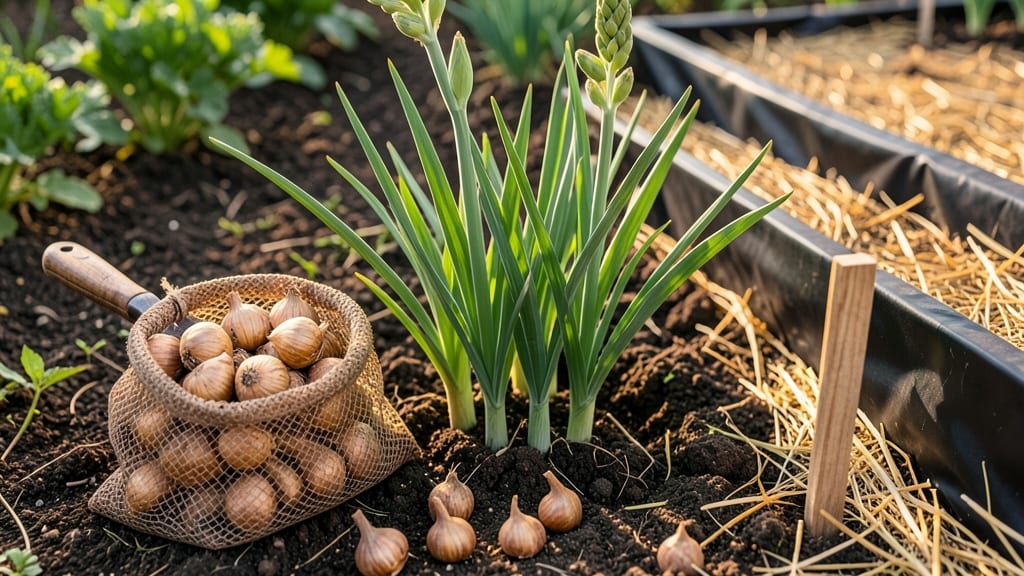
Timing your gladiolus planting in Maine could mean the difference between a stunning summer garden and a sad, frost-killed disappointment. These showstopper blooms 🌸 need the right window—too early, and you risk losing them to late frosts; too late, and you might miss their peak season entirely.
Most gardeners in USDA Zones 5b-6b should wait until mid to late May, when the soil has warmed and frost danger has passed. But Maine’s unpredictable weather means you’ll need to check your local frost dates and soil temperatures before breaking ground.
Don’t worry—this isn’t rocket science. With the right preparation, you can plant your gladiolus corms at the perfect moment for bold, long-lasting blooms that’ll steal the show from August through September.
I’ll walk you through everything you need to know, from soil prep to post-planting care, so your gladiolus thrive—no matter what Maine throws your way.
Maine’s frost-free timeline for planting gladiolus bulbs
Maine’s USDA Zones 4-6 mean gladiolus corms must wait until soil warms to 60°F (15°C) before planting. The average last frost date varies by region—May 15 in Southern Maine, but June 1 in Northern areas.
To avoid frost damage, I always check local weather forecasts and use microclimate adjustments for sheltered spots.
Gladiolus thrive with 165 frost-free days in Maine, so timing is critical. Planting too early risks cold soil and rot, while late planting shortens the bloom season. I recommend starting 4-6 weeks before your last frost date—typically mid-to-late May for most of the state.
🌱 Key Insight: Southern Maine gardeners can plant as early as early May, but Northern Maine should wait until late May or early June. Always verify soil temperature with a soil thermometer—gladiolus corms need warmth to sprout.
| Maine Region | Avg. Last Frost | Optimal Planting Window | Soil Temp. Requirement |
|---|---|---|---|
| Southern Maine (Zones 5b-6a) | May 10-15 | Mid-May to early June | 60°F+ (15°C+) |
| Central Maine (Zones 5a-5b) | May 20-25 | Late May to early June | 60°F+ (15°C+) |
| Northern Maine (Zones 4a-4b) | June 1-10 | Early to mid-June | 60°F+ (15°C+) |
🌿 Pro Tip: Use row covers to extend your planting window by 2-3 weeks in early spring.
For container gardening, I plant gladiolus in late May or June to avoid cold nights. Containers warm up faster than garden beds, but I still monitor nighttime temperatures—gladiolus corms can’t tolerate below 40°F (4°C).
Maine’s ‘false spring’ phenomenon—warm spells followed by frost—can trick gardeners into planting too early. I always wait until three consecutive days above 60°F (15°C) before planting. This simple rule has saved my gladiolus from frost damage multiple times.
Choose early-blooming varieties like ‘Attraction’ or ‘Green Star’ for Northern Maine’s shorter season. These varieties mature in 90-100 days, ensuring blooms before the first frost. Southern Maine gardeners can opt for standard varieties like ‘Picasso’ or ‘Black Star’ for later summer color.
After planting, I mulch with straw or shredded leaves to retain soil warmth. This insulation layer helps gladiolus establish roots faster, especially in Maine’s cool, moist climate. Mulch also suppresses weeds, reducing competition for nutrients.
If you’re unsure about your last frost date, check the Maine State Climate Office or use the National Weather Service’s frost prediction maps. These resources provide hyperlocal data that’s far more accurate than general guidelines.
For extended blooms, I stagger my planting by 2-3 weeks. This ensures a continuous display from July through September, even in Maine’s short growing season. Succession planting is my secret weapon for maximizing gladiolus enjoyment.
Remember, gladiolus corms are not frost-hardy. Even if they’ve sprouted, a sudden frost will kill them. Always have a backup plan, like row covers or a cold frame, ready for late-spring surprises.
Step-by-Step guide to planting gladiolus in Maine’s climate
Planting gladiolus corms in Maine requires careful timing and soil prep to thrive in our cool, short growing season. Start by selecting hardy varieties like 'White Friendship' or 'Pink Parfait'—these handle Maine’s USDA Zones 4-6 better than tropical varieties.
Aim to plant 4-6 weeks before your last frost date, typically mid-to-late May for most of the state.
Prepare your garden bed by loosening soil to a depth of 12 inches and mixing in compost or aged manure for nutrients. Gladiolus need well-draining soil—amend heavy clay with sand or perlite if needed.
Choose a sunny spot with at least 6 hours of direct sunlight daily, as they won’t bloom well in shade.
Dig holes 4-6 inches deep, spacing corms 6 inches apart in rows 12 inches apart. Plant the pointy end up—this ensures proper growth. For containers, use pots at least 8 inches deep with drainage holes.
Water deeply immediately after planting to settle soil, then keep soil moist but not soggy. Avoid overhead watering to prevent fungal diseases like botrytis. Mulch with straw or shredded leaves to retain moisture and regulate soil temperature.
Place stakes or tall garden supports at planting time to prevent wind damage. Gladiolus grow 3-5 feet tall—tall varieties may need additional support. If your garden gets late frosts, use row covers until danger of frost has passed.
After blooms fade, cut spent flowers but leave foliage until it yellows—this feeds the corm for next year. Fertilize lightly with 10-10-10 when shoots emerge in spring, then again after flowering. In fall, dig up corms before first frost (usually by October 1) and store them in a cool, dry place.
For northern Maine gardeners (Zones 4-5), consider container gardening to move gladiolus to a protected spot if early frosts threaten. Start corms indoors in late April under grow lights, then transplant outdoors after May 15. This extends your blooming window by 4-6 weeks compared to direct outdoor planting.
Gladiolus thrive in Maine’s summer heat but struggle with wet soil—always ensure proper drainage. If your soil stays cold or waterlogged in spring, delay planting until soil reaches at least 60°F. Use a soil thermometer to check—this is key for corm survival in Maine’s unpredictable climate.
With the right timing and care, your gladiolus will reward you with vibrant blooms from August through September, adding height and drama to your garden. Just remember: patience is key—rushing planting in Maine often leads to disappointment.
Follow these steps, and you’ll enjoy months of bold, colorful stems even in our cool climate! 🌸