
Plants
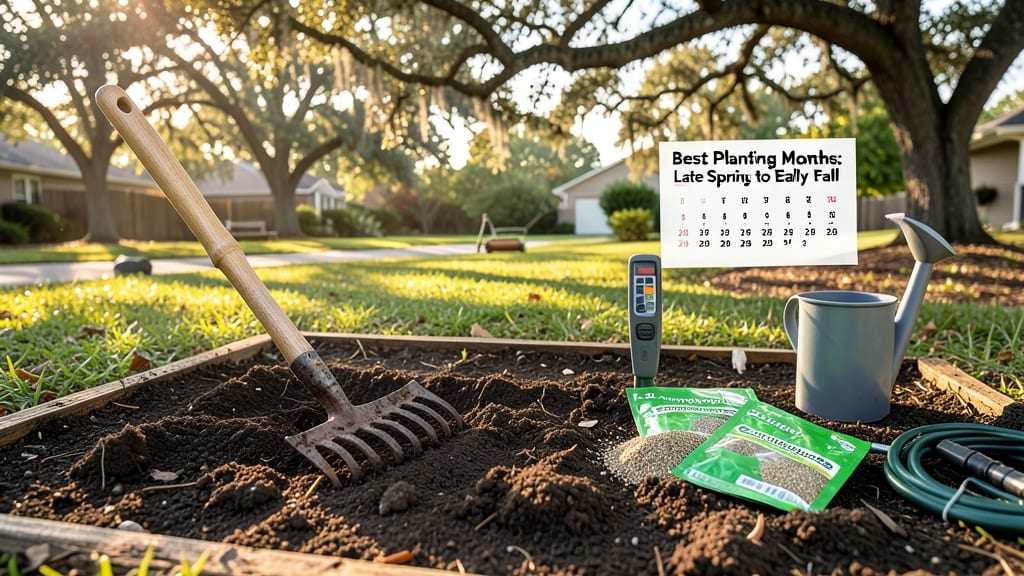
Planting grass seed in Louisiana’s Heat Zone 9A isn’t just about timing—it’s about beating the heat, avoiding drought stress, and ensuring your lawn thrives before summer’s brutal peak. If you get it wrong, you’ll battle weeds or weak germination for months, leaving your yard patchy and struggling.
For fast germination, the key is planting when soil temperatures are just right—60°F or warmer—but before the scorching summer sun takes over. Louisiana’s humidity and heat make this tricky, which is why fall (August-September) and early spring (February-March) are your best bets.
These windows give grass a fighting chance to establish roots before the real heat hits.
But here’s the catch: not all grass types play well in Louisiana’s climate. Bermuda and St. Augustine love the heat, while ryegrass prefers cooler months. I’ll break down the best varieties for your microclimate—whether you’re inland or coastal—and how to prep your soil for success in just 2-4 weeks.
Ready to skip the guesswork? Let’s dive into the exact steps to plant your grass seed at the perfect time, so you’re not left with a lawn that fades faster than a summer breeze. Your green oasis starts here.
Best months to plant grass seed in Louisiana’s heat zone 9A
Louisiana’s Heat Zone 9A demands precision when planting grass seed—timing directly impacts germination rates and long-term lawn health. The ideal windows are early fall (August-September) and late winter (February-March), when temperatures and humidity work in your favor.
Outside these periods, your seed risks drying out or struggling to establish roots in the sweltering heat.
Fall planting is my top recommendation because cooler air temperatures (75-85°F) reduce stress on seedlings while maintaining enough warmth for active growth. Rainfall also tends to be more consistent, cutting down on your watering workload.
This is especially critical for St. Augustine and Bermuda grass, Louisiana’s most popular varieties, which thrive when seeded before summer’s peak.
If you miss fall, your next best bet is late winter (February-March), when soil temperatures begin climbing toward 60°F+. This timing works well for cool-season grasses like ryegrass, which can handle Louisiana’s brief cooler spells.
However, avoid planting in April or May—the intense heat and drought conditions will cause seed to dry out before germination, leaving you with patchy, weak lawns.
Here’s how Louisiana’s humidity and heat affect germination: High humidity helps maintain soil moisture, but excessive heat (>90°F) can actually inhibit seed germination by speeding up moisture loss. That’s why I always check the 7-day forecast before planting—aim for days with moderate temperatures (70-80°F) and predictable rainfall.
For warm-season grasses like Bermuda and Zoysia, the best soil temperature for planting is 65-75°F. Cool-season grasses like ryegrass prefer 50-65°F. Use a soil thermometer to monitor—planting too early in spring (before soil warms) or too late in fall (as temperatures drop) will stall germination.
🌱 Louisiana Grass Seed Planting Guide
| Season | Best Months | Grass Types | Soil Temp | Key Tip |
|---|---|---|---|---|
| Fall | August-September | St. Augustine, Bermuda, Zoysia | 65-75°F | Plant before summer heat peaks |
| Late Winter | February-March | Ryegrass, Fescue | 50-65°F | Avoid if frost is forecasted |
| Avoid | April-May, October-Nov | All types | >90°F or <50°F | High failure risk |
💡 Pro Tip: Test soil moisture daily after planting—it should feel like a wrung-out sponge.
One critical factor I can’t stress enough is rainfall timing. Louisiana’s summer storms can be erratic, so if you plant in late summer (August), schedule daily watering (early morning) for the first 2-3 weeks to prevent seed from drying out.
Use a light sprinkler set to 0.25 inches per session—enough to keep the top 1/4 inch of soil moist without displacing seed.
For coastal Louisiana (e.g., New Orleans, Lafayette), add 1 inch of sand to sandy soils to improve water retention. Inland areas (e.g., Baton Rouge, Shreveport) may need organic matter like compost to help retain moisture during the hotter inland summers.
Always test your soil’s pH (6.0-7.0 ideal)—Louisiana’s clay-heavy soils often need lime or sulfur adjustments before seeding.
Finally, avoid planting in hurricane season (June-November). High winds and flooding can uproot newly germinated grass, leaving your lawn vulnerable. If you must plant during this time, choose September—it offers the best balance of moderate temperatures, lower storm risk, and consistent rainfall in Louisiana.
How Louisiana’s microclimates affect grass seed planting timing
Louisiana’s diverse geography—from the Gulf Coast’s salty breezes to the North’s cooler winters—means your grass seed planting schedule should shift based on where you live. Coastal areas like New Orleans and Lake Charles have longer growing seasons, while inland zones like Shreveport face earlier frosts.
Even a 10-mile difference can change your ideal planting window by weeks.
Coastal regions (Heat Zone 9A) stay warm year-round, so fall planting (August-September) is critical to avoid summer dormancy.
Inland areas (Heat Zone 8A) can plant slightly earlier in late summer (July-August) to capitalize on cooler nights. Humidity levels also play a role—coastal zones require more frequent watering to prevent seed washout during storms.
| Microclimate | Best Planting Window | Key Soil Prep | Watering Adjustments |
|---|---|---|---|
| Coastal (9A) | August-September | Rinse salt from soil (coastal areas) | Daily until established (storm risk) |
| North Inland (8A) | Late July-August | Test pH (aim for 6.0-7.0) | Morning watering (fungus prevention) |
| Central (9A) | September-October | Add compost (2-3 inches) | Deep watering (1-1.5 inches/week) |
If you’re in southern Louisiana, prioritize shade-tolerant varieties like St. Augustine for areas near live oaks, while Bermuda grass thrives in full sun across all regions. Soil testing is non-negotiable—coastal soils often need gypsum to flush out excess salt, while inland areas may need lime to raise pH for optimal germination.
For hurricane-prone zones, delay planting until after June 1st to avoid storm damage. Use mulch mats to protect seed until roots establish (typically 3-4 weeks). Inland gardeners should aim for soil temps above 60°F—check with a soil thermometer before planting to avoid slow germination.
Pro tip: Northern Louisiana gardeners can squeeze in a winter planting (December-January) for cool-season grasses like ryegrass, but cover seed with straw mulch to protect from freezing nights. Coastal areas should avoid winter planting entirely—humidity and fungal risks make it a losing battle.
Remember, microclimates aren’t just about location—they’re shaped by your yard’s exposure. A north-facing slope stays cooler longer, while a south-facing patio bakes seed to dormancy. Adjust your schedule based on these micro-environments to maximize success.