
Plants
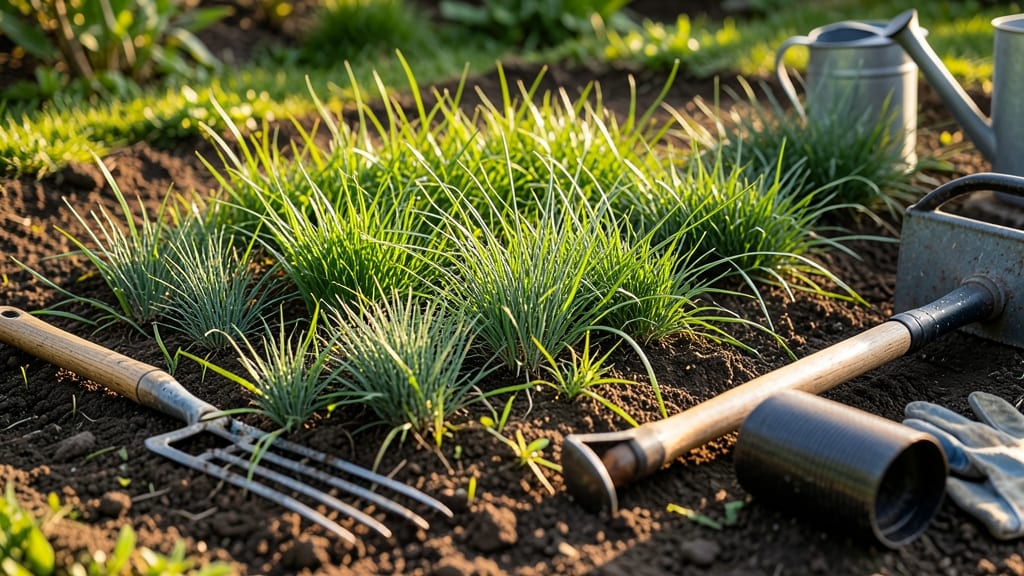
Planting grass seed in South Dakota at the wrong time can leave your lawn looking more like a science experiment than a lush green carpet—especially when frost dates and soil temperatures play such a big role.
If you've ever stared at a seed packet wondering, "Why isn't my grass growing?" the answer might be as simple as planting too early or too late.
With South Dakota's USDA zones 4a-5b and unpredictable weather, timing is everything. The key window is early spring (April) or early fall (September), when soil temperatures hit that sweet spot of 50-65°F—but getting it wrong can mean struggling with frost damage or drought stress.
Let me break down exactly when to plant for your specific region, whether you're in the Black Hills or the eastern plains.
You'll also discover how to prep your soil for success, avoid common mistakes that derail even the best-laid plans, and choose the right grass type for your climate.
Whether you're seeding a new lawn, repairing bare patches, or tackling erosion control, these steps will help you grow a thick, healthy 🌱 cover that stands up to South Dakota's challenges.
Ready to stop guessing and start growing? Let's dive into the exact timing, soil rules, and care tips that'll turn your patchy yard into the envy of the neighborhood.
South Dakota’s frost-free window: best months for grass seed planting
South Dakota’s USDA hardiness zones 4a-5b create unique challenges for grass seed planting.
The state’s short growing season and unpredictable frost dates demand precise timing—typically early spring (April) or early fall (September)—to establish strong roots before winter dormancy. Cool-season grasses like Kentucky Bluegrass and Fescue dominate lawns here, thriving when planted 4-6 weeks before the first frost.
Your last frost date varies dramatically: Sioux Falls averages April 15, while Rapid City in the Black Hills sees frost until May 1.
The eastern plains (e.g., Aberdeen) often warm 2 weeks earlier than western regions. Fall planting should occur 6-8 weeks before the first frost—usually by mid-September—to allow roots to establish before winter.
Microclimates matter! Urban areas like Sioux Falls experience heat islands that can push planting windows later, while rural farmland may need earlier sowing. Elevation changes in the Black Hills create 300+ feet of temperature variation—test your soil’s readiness before committing.
For warm-season grasses (like Buffalo Grass), late spring (May-June) is ideal—after soil warms to 65°F. These grasses won’t survive winter in South Dakota, so fall planting is risky unless you’re in Zone 5b with protection.
Pro Tip: Use the 50°F soil temperature rule for cool-season grasses. Wait until daytime highs consistently reach 60°F before planting—this typically aligns with late April for eastern SD and early May for western regions.
Visual Alert: South Dakota’s drought-prone summers mean spring planting often yields better germination rates. Fall planting requires extra irrigation to prevent winter desiccation.
| Region | Ideal Planting Window | Last Frost Date | Soil Temp Threshold |
|---|---|---|---|
| Eastern Plains (Sioux Falls) | April 15–May 15 | April 15 | 50–65°F |
| Western Plains (Rapid City) | May 1–June 1 | May 1 | 55–70°F |
| Black Hills (Custer) | April 20–May 10 | April 25 | 45–60°F |
| Fall Window (Statewide) | September 1–15 | October 15 | 50–65°F |
If you’re overseeding existing lawns, aim for late summer (August) to capitalize on residual soil warmth while avoiding summer heat stress. New lawns planted in late summer often struggle to establish before winter—prioritize spring or early fall for best results.
South Dakota’s dry winds can dry out newly planted seed quickly. Mulch lightly with straw or peat moss (¼ inch thick) to retain moisture, especially in western regions where rainfall is 20% lower than the eastern plains.
For pasture or erosion control, consider fall planting—grasses like Orchardgrass establish 60% faster with cool fall temperatures and winter moisture. Just avoid planting after September 30 in most of SD to prevent winter kill.
🌱 Key Takeaway: Spring (April) is your safest bet for cool-season grasses, while fall (September) works if you’re prepared for irrigation. Test soil temperature with a soil thermometer—don’t guess!
Soil temperature rules: how warm must soil be before planting grass seed?
South Dakota’s cool-season grasses (like Kentucky Bluegrass) thrive when soil temperatures hit 50°F, while warm-season varieties (such as Bermuda) need 65°F+. Most gardeners in the state focus on cool-season grasses, which dominate lawns here.
Planting too early—when soil is still cold—delays germination, while waiting too long risks summer drought stress. The key is balancing soil warmth with moisture availability to give seeds the best shot at rooting.
To test soil temperature, use a soil thermometer (available at garden centers for ~$10). Insert it 2 inches deep—this mimics the depth where grass seeds will germinate. Check readings in the morning (soil is cooler then) and afternoon (warmer) to get a full picture.
If temperatures fluctuate wildly, aim for consistent warmth rather than a single perfect day. For example, Sioux Falls often hits ideal temps by mid-April, while Rapid City’s higher elevation may require waiting until late April.