
Plants
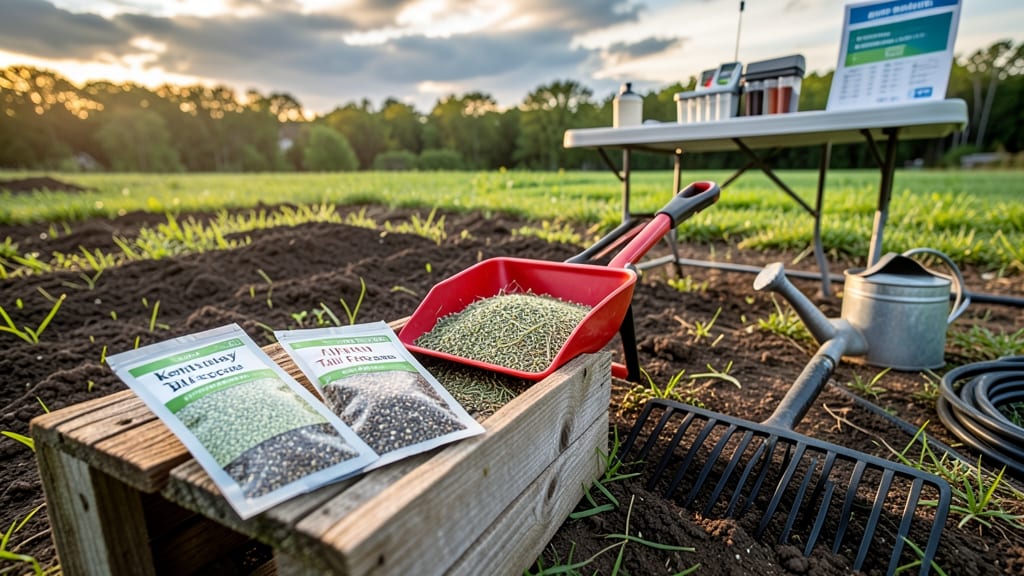
Timing your grass seed planting in St. Louis, MO, isn’t just about picking a month—it’s about beating the heat, humidity, and unpredictable weather that can turn your lawn dreams into a battle with weeds.
The cool-season window (early fall or spring) is your golden ticket to lush, resilient turf that actually sticks around.
Here’s the deal: St. Louis’s USDA Zone 6a climate demands precision. Plant too early, and you’ll fight summer droughts; too late, and frost will nip your seedlings in the bud.
I’ll break down the exact 4-6 week window before or after your last frost date—plus soil temp tricks to ensure your 🌱 grass seed germinates like a champ.
Why does this matter? Because Kentucky Bluegrass and Tall Fescue (St. Louis favorites) thrive when planted in 60–75°F soil, not when it’s scorching or freezing.
We’ll cover how to prep your soil, pick the right seed blend, and avoid common pitfalls that kill germination—like planting in August’s heat or ignoring post-seeding care.
Skip the guesswork and learn how to time it perfectly. Whether you’re seeding a new yard or overhauling an old one, these St. Louis-specific tips will save you time, money, and frustration. Let’s get that lawn growing right.
Best planting months for grass seed in St. louis: cool-season timeline explained
St. Louis’s USDA Zone 6a climate creates a unique challenge for grass seed germination—too early, and summer heat stresses seedlings; too late, and frost kills tender sprouts. The sweet spot? Cool-season planting when daytime temps hover between 60–75°F and nights stay above 50°F.
This window ensures Kentucky Bluegrass and Tall Fescue (St. Louis favorites) establish strong roots before winter dormancy.
My top recommendation? Late August through mid-September—this gives seeds 6–8 weeks of warm soil and consistent rainfall (St. Louis averages 3.5 inches/month in fall) before the first frost (mid-October). Early fall also avoids summer’s heat stress and weed competition, which can choke out young grass.
Spring planting is possible but riskier. Aim for early April (after last frost, typically April 15) when soil warms to 55°F+. The downside? Weeds germinate faster in spring, and summer drought can stress seedlings before they establish.
If you choose spring, pre-emergent herbicide in late winter is a must to suppress crabgrass.
Pro tip: Check the Missouri Botanical Garden’s frost data for real-time updates—St. Louis’s microclimates (e.g., cooler near the river vs. hotter urban areas) can shift ideal windows by 1–2 weeks. Use a soil thermometer to confirm temps before planting.
| Planting Window | Ideal Soil Temp (°F) | St. Louis Weather | Grass Types |
|---|---|---|---|
| Late August–Mid-September | 60–75°F | Warm days, cool nights, 3–4" rain/month | Kentucky Bluegrass, Tall Fescue |
| Early April | 55–65°F | Variable, risk of late frost | Perennial Ryegrass (fast germinator) |
| Avoid After October 15 | N/A | Frost risk, weak establishment | None (high failure rate) |
Why does late August work so well? By then, St. Louis’s summer heat has subsided, but soil remains warm enough for germination. The humidity stays high (avg. 75% in August), reducing watering needs, and rainfall increases as we move into fall. This combo gives seedlings a head start before winter.
For drought-resistant lawns, consider Buffalo Grass or Fine Fescue blends—they tolerate St. Louis’s summer droughts better than Kentucky Bluegrass. However, these take 2–3 weeks longer to germinate, so plant them 2 weeks earlier than your target window.
One mistake I see often? Planting in September’s second half (after mid-month). By then, days shorten, soil cools, and frost risk rises. Seedlings need 4–6 weeks to establish roots—if frost hits before then, your lawn will struggle to recover.
Use a frost calendar (like the National Weather Service’s) to track safe planting dates.
If you’re overseeding an existing lawn, late September is your last chance—cool temps slow weed growth, and moisture retention improves. Just mow shorter (1–1.5") before seeding to expose soil for better seed-to-soil contact.
Remember: Grass seed needs darkness to germinate. Lightly rake soil after planting to cover seeds with ¼-inch of topsoil, then apply a thin straw mulch (no thicker than ⅛-inch) to retain moisture.
This is especially critical in St. Louis’s windy conditions, which can dry out seeds quickly.
How to prepare your St. louis lawn for grass seed success: soil, sun, and seed selection
Preparing your St. Louis lawn for grass seed is half the battle—skipping this step means battling compacted soil or weed competition later.
Start by testing your soil pH (aim for 6.0–7.0), which is critical for cool-season grasses like Kentucky Bluegrass and Tall Fescue to thrive in Missouri’s clay-heavy soil.
St. Louis’s heavy clay soil drains poorly, so aerate 2–4 weeks before planting to loosen compaction. Rent a core aerator or use a manual aerator for small areas. This step is non-negotiable—without it, your seeds will struggle to establish roots in dense, waterlogged conditions.
Your lawn’s clay soil can suffocate grass seeds. Never plant without aerating—compacted soil blocks root growth and leads to patchy germination. Test for soil pH too; acidic soil (below 6.0) stunts seedling growth.
🌱 Pro Tip: Amend soil with compost or peat moss to improve drainage and fertility.
Next, map your lawn’s sun exposure. St. Louis’s urban heat islands create microclimates—south-facing areas bake in summer, while north sides stay cooler. Choose shade-tolerant blends (e.g., Fine Fescue) for low-light spots and sun-loving varieties (e.g., Tall Fescue) for full sun.
Select seed blends tailored to your lawn’s use. High-traffic areas need drought-resistant mixes (like Tall Fescue), while ornamental lawns benefit from slow-growing Kentucky Bluegrass. Avoid cheap seed—it often contains weed seeds or low-quality fillers that waste your effort.
Before planting, remove existing weeds by hand or with a pre-emergent herbicide (apply 2 weeks before seeding). Rake the soil smooth to create a firm seedbed, then lightly mulch with straw to retain moisture and protect seeds from birds.
Finally, water deeply before planting to settle the soil and create a moist environment for germination. St. Louis’s unpredictable fall rains can wash away seeds if you wait—so prep early and stay vigilant with your watering schedule.