
Planting
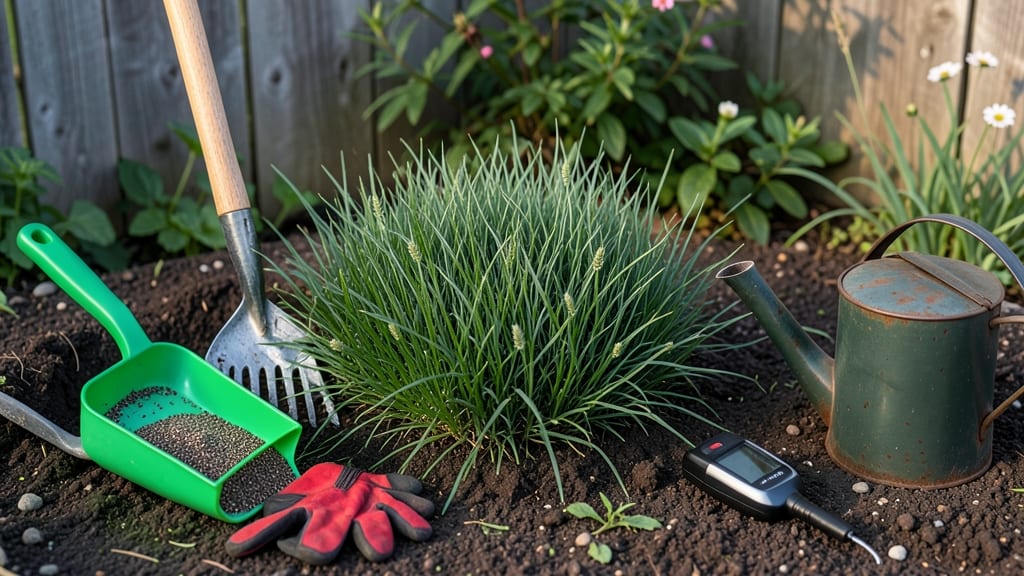
Planting grass seed at the wrong time in Washington State can mean wasted effort and money—especially with the region’s unpredictable coastal, mountain, and inland climates.
Whether you're in the 5b-6b zones of Eastern Washington or the milder 7b-8b areas of the West, getting the timing right is the key to a lush, weed-free lawn.
If you’ve ever stared at a patchy lawn wondering what went wrong, you’re not alone. The secret lies in understanding your local frost dates and soil conditions.
For example, coastal areas like the Puget Sound can plant 4–6 weeks before March 15, while inland zones should wait until after April 15—just before the last frost hits.
In this guide, I’ll break down the best months to plant based on your exact zone, plus soil prep tips to ensure your grass seed germinates fast and thrives. No more guesswork—just a thicker, greener lawn that stands up to Washington’s ever-changing weather.
Ready to transform your yard? Let’s dive into the timing, varieties, and tricks that make all the difference in the Evergreen State.
Best planting months for grass seed in Washington’s USDA zones 7-9
Washington State’s diverse climate—from the coastal rainforests of the Olympic Peninsula to the arid inland valleys of the Columbia Basin—means no single planting window works for everyone. To maximize your grass seed’s germination success, focus on USDA Zones 7-9 and the last frost dates that define your microclimate.
Most of Western Washington (including Seattle, Bellingham, and Tacoma) falls in Zones 7b-8b, where spring planting (March–April) is ideal. Meanwhile, Eastern Washington (like Spokane, Wenatchee, and Yakima) in Zones 5b-6b benefits from late spring to early summer (May–June) to avoid late frosts.
Here’s how to align your planting with Washington’s regional timing for the thickest, healthiest lawn possible.
For Western Washington, aim to plant 4–6 weeks before your last frost date—typically by mid-March. This gives seeds time to establish roots before summer heat arrives. In Eastern Washington, wait until after May 1 to avoid late spring frosts that can kill young seedlings.
If you miss the spring window, fall planting (August–September) is your next best option, especially in Zones 7-8. Cool soil temperatures and consistent rainfall create ideal conditions for deep root growth before winter dormancy. Just avoid planting in summer (June–August)—the intense heat and drought risk stress young grass.
Pro tip: Check your local agricultural extension office for hyper-local frost data. Microclimates—like a sunny south-facing slope or a shady urban alley—can shift your ideal planting window by 2–4 weeks.
For example, Spokane’s inland valleys may be ready by April 15, while mountain towns like Leavenworth might need to wait until May 1.
Once you’ve nailed the timing, soil prep becomes critical. Loosen the top 2–3 inches of soil, remove debris, and level the area to ensure even seed-to-soil contact. A light raking after planting helps press seeds into the soil without burying them too deep.
For urban gardeners, consider cool-season grasses like fine fescue or Kentucky bluegrass, which thrive in Washington’s variable climates. These varieties tolerate foot traffic and moderate shade, making them perfect for city lawns.
Remember: Patience is key. Grass seed needs consistent moisture and stable temperatures (between 50–70°F) to germinate. Water lightly twice daily for the first 2 weeks, keeping the soil evenly damp but not soggy. Avoid walking on new seed until it reaches 3–4 inches tall.
🌱
How Washington’s climate affects grass seed germination success
Washington’s diverse climates—from the rainy Pacific Northwest coast to the drier inland regions—can make or break your grass seed success. If you’ve ever planted seed only to watch it fail due to unpredictable weather, you’re not alone.
The key to germination lies in understanding how temperature, rainfall, and soil conditions interact in your specific area.
For example, coastal areas like Seattle and Bellingham benefit from consistent moisture, but their cooler temperatures mean seed needs to be planted earlier than in Eastern Washington’s hotter valleys.
Meanwhile, inland zones like Spokane or Yakima face summer drought risks and require careful watering schedules. Let’s break down the critical factors that determine whether your grass seed thrives or struggles.
🌱
⚠️ Common Pitfalls to Avoid
- Planting too early in cold zones (below 50°F) can lead to seed rot.
- Skipping soil prep in clay-heavy areas (common in Eastern WA) causes poor drainage.
- Overwatering in coastal regions can suffocate seeds with excess moisture.
- Ignoring frost dates—late frosts in March/April can kill new sprouts.
One of the biggest mistakes I see is planting in summer when temperatures exceed 75°F. Grass seed needs consistent moisture and moderate temps (50–70°F) to germinate properly. In Western WA, summer planting often results in brown, patchy lawns because the heat dries out seeds before they sprout.
Instead, aim for spring or early fall when conditions are ideal.
Soil preparation is equally critical. Washington’s coastal soils tend to be acidic and dense, while inland soils are often alkaline and sandy. Before planting, test your soil’s pH (ideal: 6.0–7.0) and amend it with compost or lime as needed.
For example, Kentucky Bluegrass thrives in neutral soil, while Fescue tolerates acidic conditions better.
Another climate challenge? Rainfall patterns. Coastal areas get 36+ inches annually, while Eastern WA sees 10–20 inches. If you’re in a dry zone, plan for supplemental watering during germination.
Use a rain gauge to track moisture—seeds need 1–1.5 inches of water weekly, but daily light watering is better than deep, infrequent soaks.
Finally, don’t underestimate the power of microclimates. A south-facing slope in Spokane can be 10°F warmer than a shaded yard, affecting germination timing. Observe your yard’s sun exposure, wind patterns, and drainage to adjust your planting strategy accordingly.
With the right prep, you’ll avoid the frustration of failed lawns and enjoy a lush, resilient turf all season long.
☀️✂️