
Plants
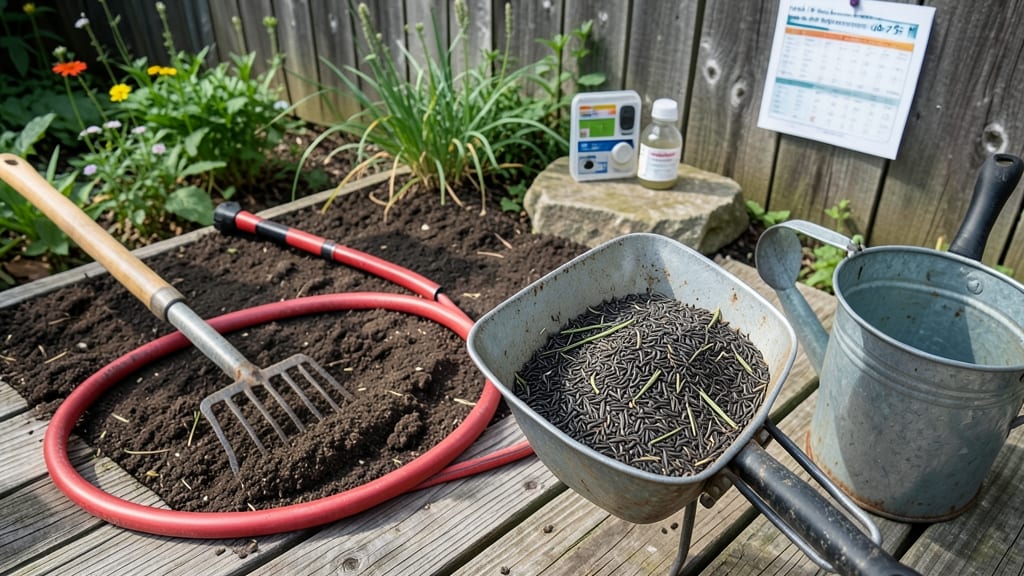
Timing your grass seed planting in East TN can make or break your lawn's success—get it wrong, and you're staring at patchy growth or frost-killed sprouts before they even take hold. The 6a-7a zone offers two prime windows, but knowing exactly when to pull the trigger is everything.
I've seen firsthand how a 2-week difference can mean the difference between a thick, vibrant lawn and a second-year do-over. Whether you're seeding a new yard or repairing bare spots, the soil temperature and frost dates in East Tennessee demand precision—not guesswork.
In this guide, I'll break down the best months to plant (spoiler: it's not just "spring"), how to prep your soil like a pro, and what to watch for after those first green shoots appear. Let's get your 🌱 growing strong from day one.
You'll learn why late summer often outperforms spring, how to read your local microclimate, and the watering schedule that keeps new grass from drying out before it can root. Ready to plant with confidence?
Best months to plant grassseed in East TN: avoiding frost and heat stress
East Tennessee’s USDA Zones 6a-7a create a unique challenge for grassseed planting—too early, and frost kills young sprouts; too late, and summer heat stresses germination. The ideal window is a narrow but critical 6-week period twice a year: late spring and early fall.
This timing ensures soil stays between 50–65°F, the perfect range for seed activation.
For most of East TN, including Knoxville, Chattanooga, and the Smoky Mountains, the last frost date hovers around April 15, while the first frost arrives near October 15.
These dates act as your bookends—planting 4–6 weeks before the first frost or 2–3 weeks after the last frost maximizes success. Microclimates matter: valleys warm faster than mountain slopes, so adjust by 1–2 weeks if you’re at higher elevations.
Here’s the golden rule: Soil temperature, not air temperature, determines success. Use a soil thermometer to confirm 50–65°F before planting. If the soil is below 50°F, seeds won’t germinate; above 75°F, they risk drying out or succumbing to fungal diseases.
In East TN, this typically aligns with March–April for spring and August–September for fall.
Spring planting in East TN offers longer daylight hours and warmer soil, but summer’s arrival can outpace seedling growth.
Fall planting, however, gives seedlings a head start before winter dormancy. Tall fescue, the top choice for East TN lawns, thrives in both windows, while Bermuda grass prefers the late spring heat.
Local weather patterns add another layer. East TN’s humidity and afternoon thunderstorms in summer can create ideal moisture conditions, but they also bring slugs and fungal pressure. Fall’s cooler nights and milder days reduce these risks, making it the preferred window for most homeowners.
That said, if you miss fall, late spring is your next best bet—just be prepared to water diligently as temperatures rise.
Pro Tip: Check the National Weather Service’s Knoxville or Chattanooga forecasts for 7-day soil temperature predictions. This free tool helps you pinpoint the exact week to plant without guessing. For example, in 2023, Knoxville’s soil hit 55°F on March 22, perfect for tall fescue.
If you’re in a transition zone, like the Cumberland Plateau, err on the side of earlier planting. These areas can have 10–14°F cooler soil than Knoxville, delaying germination.
For example, Crossville (USDA Zone 6b) might need to wait until mid-April for spring planting, while Chattanooga (Zone 7a) can start as early as late March.
One common mistake is planting too late in spring and hoping for summer germination. By June, East TN’s soil often exceeds 80°F, causing seeds to dry out within hours of exposure.
Even if they sprout, seedlings face heat stress and drought. Fall planting avoids this entirely—seeds germinate in cooler, more stable conditions, and established roots handle winter better.
For overseeding an existing lawn, late summer (August) is ideal. This gives new grass 6–8 weeks to establish before winter. Use a slit seeder to bypass the thatch layer, and water twice daily for the first week to outcompete weeds.
In shady areas, opt for fine fescue, which tolerates 3–4 hours of sun and germinates well in fall’s cooler temps.
Remember: Grassseed won’t wait. If you miss the optimal windows, your best bet is overseeding in fall or using sod for instant coverage. But with the right timing, you’ll
How to prepare your East TN lawn for grassseed success: soil and pre-planting tips
Preparing your lawn for grassseed in East Tennessee is just as important as choosing the right planting window. Start by testing your soil pH—the ideal range for most grass types is 6.0 to 7.0.
If your soil is too acidic or alkaline, amend it with lime or sulfur before planting to create the perfect environment for germination.
Next, clear the area of weeds and debris. Use a garden rake to remove dead grass and loosen the top layer of soil. This step ensures your grassseed makes direct contact with the soil and has room to establish strong roots without competition.
For East Tennessee’s climate, consider the grass type you’re planting. Tall fescue is a popular choice for its drought tolerance and ability to thrive in both sun and partial shade, while Bermuda grass is better suited for warmer, sunnier areas. Choose a variety that matches your lawn’s conditions.
Don’t skip soil prep! Planting grassseed on compacted or weedy soil leads to poor germination and weak grass. Take the time to loosen soil and remove debris for the best results.
Before spreading grassseed, lightly rake the soil to create a fine, even texture. This helps the seeds settle into small grooves, ensuring better contact with the soil and moisture. Avoid overworking the soil, as this can bury seeds too deeply and hinder germination.
Finally, consider adding a starter fertilizer with a balanced NPK ratio (like 10-10-10) to give your new grass a nutrient boost. Apply it lightly over the soil before seeding, following the package instructions. This step promotes faster root growth and a healthier lawn.
With these prep steps complete, your East Tennessee lawn will be ready for grassseed to thrive—just wait for the right planting window to spread it! 🌱