
Plants
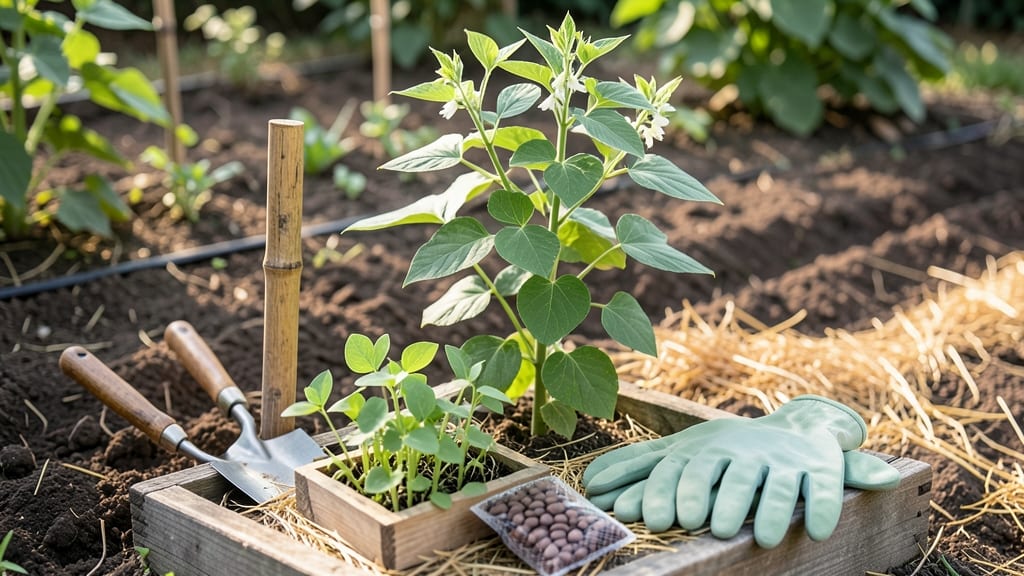
When to plant green beans in Colorado means the difference between a bountiful harvest and wasted seeds—especially when late spring frosts can strike even after Memorial Day. The frost-free window here isn’t one-size-fits-all; it shifts dramatically from Denver’s 5,000-foot valleys to mountain gardens above 8,000 feet, where soil warms slower and frost lingers longer.
Most Colorado gardeners know the classic rule: wait until after April 15 for spring plantings, but that’s just the starting point.
What you really need is a strategy that accounts for your specific elevation—whether you’re in the Front Range foothills or the high plains—so you can plant when soil hits that critical 60°F threshold for germination.
Here’s the game-changer: even if you nail the spring window, a fall crop (August 1–September 15) can stretch your harvest into October—if you avoid the early frosts that sneak in by October 15 in most zones.
I’ll break down exactly how to sync your planting with Colorado’s microclimates, so you’re harvesting crisp pods all summer long.
Ready to turn your garden into a green bean goldmine? Let’s dive into the elevation-specific planting calendar that’ll keep your plants thriving—and your dinner table stocked—from June through October.
Colorado’s frost-free planting zones for green beans by elevation
Colorado’s dramatic elevation shifts—from desert lowlands to alpine valleys—mean your green bean planting window can vary by up to 6 weeks depending on where you live. At 5,000 feet, you might plant in early May, while 8,000-foot gardens often wait until June.
Understanding these zones helps you avoid late frost damage and maximize your harvest.
Green beans thrive in USDA Zones 5-7, but Colorado’s microclimates create exceptions. For example, Denver’s 5,280-foot elevation typically sees its last frost around May 1st, while Steamboat Springs at 6,800 feet may not be frost-free until June 15th.
Soil temperature matters just as much—seeds need 60°F+ soil to germinate, which often lags behind air temperature in high-altitude areas.
Here’s how to align your planting with Colorado’s elevation-based frost-free windows:
| Elevation Zone | Last Frost Date | Planting Window | Soil Temp Requirement | Frost Risk |
|---|---|---|---|---|
| Lowland (3,500–5,000 ft) | April 15–May 1 | April 20–May 15 | 60°F+ (warms fastest) | Low (but late frosts possible) |
| Foothills (5,000–6,500 ft) | May 1–May 15 | May 10–June 1 | 65°F+ (slower warming) | Moderate (watch valleys) |
| Mountain (6,500–8,000 ft) | May 15–June 1 | June 1–June 20 | 70°F+ (needs protection) | High (late frosts common) |
| High Alpine (8,000+ ft) | June 1–June 20 | June 20–July 1 | 75°F+ (use row covers) | Very High (short season) |
For lowland gardens (e.g., Pueblo, Colorado Springs), start seeds indoors in late March to transplant after the last frost. In foothill areas (e.g., Fort Collins, Boulder), wait until May 10th to plant directly outdoors, using black plastic mulch to warm the soil faster.
At higher elevations, consider cold-hardy varieties like 'Blue Lake' or 'Kentucky Wonder' to extend your season.
Pro tip: Check your local CoCoRaHS station for real-time frost data—these community networks provide hyper-local updates that beat generic zone maps. For example, Grand Junction’s last frost often arrives 2 weeks earlier than Denver’s due to its desert climate.
If you’re unsure about your elevation’s frost date, use a frost clock (available from Colorado State University Extension) to track historical patterns. Remember, green beans are heat-loving annuals, so even if frost risk drops, soil temperature remains the limiting factor for germination.
For fall planting, aim for August 1st in lowlands or September 1st in mountains, giving beans 60–80 days to mature before the first frost. Varieties like 'Contender' or 'Blue Lake' are ideal for shorter seasons.
Colorado’s microclimates can create surprises—even within a city, a north-facing slope might frost 2 weeks later than a south-facing garden. Always scout your space for cold air pockets where frost lingers.
How to extend your green bean season in Colorado’s short growing period
Colorado’s short growing season can feel like a race against time for green bean lovers, but with the right strategies, you can stretch your harvest from early summer to crisp fall. The key lies in early starts, protective covers, and heat-tolerant varieties—all tailored to your elevation zone.
I’ve grown green beans in both Denver’s foothills and the high desert near Salida, and these tricks have doubled my harvest time every season.
For lowland areas (3,000-5,000 ft), like the Front Range, start seeds indoors 4-6 weeks before your last frost date—typically mid-March to early April. Use biodegradable pots to transplant seedlings without disturbing roots, and place them in a cold frame for an extra 2-3 weeks of protection.
This head start lets you plant outdoors by early May, giving you a jump on the 60-day harvest window for bush varieties.
At higher elevations (6,000-8,000 ft), like the Rocky Mountain foothills, focus on succession planting every 2 weeks after your last frost (usually late May to early June). Choose pole varieties like ‘Kentucky Wonder’ or ‘Blue Lake’—they mature faster in cooler nights and produce longer harvest windows.
Pair this with row covers to shield young plants from late spring frosts, which can still hit after Memorial Day.
Don’t overlook fall planting—it’s your secret weapon for late-season beans! In USDA Zone 5 (northern CO), sow seeds August 15–September 15 for a harvest before the first frost.
For Zone 6-7 (southern CO), extend this to September 15–October 1, using black plastic mulch to warm the soil and floating row covers to protect from early chills. Varieties like ‘Contender’ or ‘Provider’ thrive in these cooler conditions.
🌱 Pro Tip: If your soil stays cold into spring, try soil warming tricks like laying down clear plastic mulch 2 weeks before planting. This can raise soil temps by 10-15°F, helping seeds germinate faster.
I’ve seen germination times cut from 14 days to just 7 using this method in my high-altitude garden!
For container gardeners, opt for dwarf varieties like ‘Blue Lake Bush’ or ‘Mascotte’ and plant them in 5-gallon pots with moisture-retentive soil. Place containers near south-facing walls to maximize warmth and move them indoors (to a sunroom or garage) if night temps dip below 50°F.
This extends your season by 3-4 weeks compared to in-ground planting.
Finally, monitor your local microclimate. Urban areas like Denver can be 5-10°F warmer than rural spots just 20 miles away, while mountain valleys may experience delayed last frosts.
Check your Almanac’s frost calendar and adjust planting dates accordingly. With these strategies, you’ll turn Colorado’s short season into a bean bonanza from June to October!