
Plants
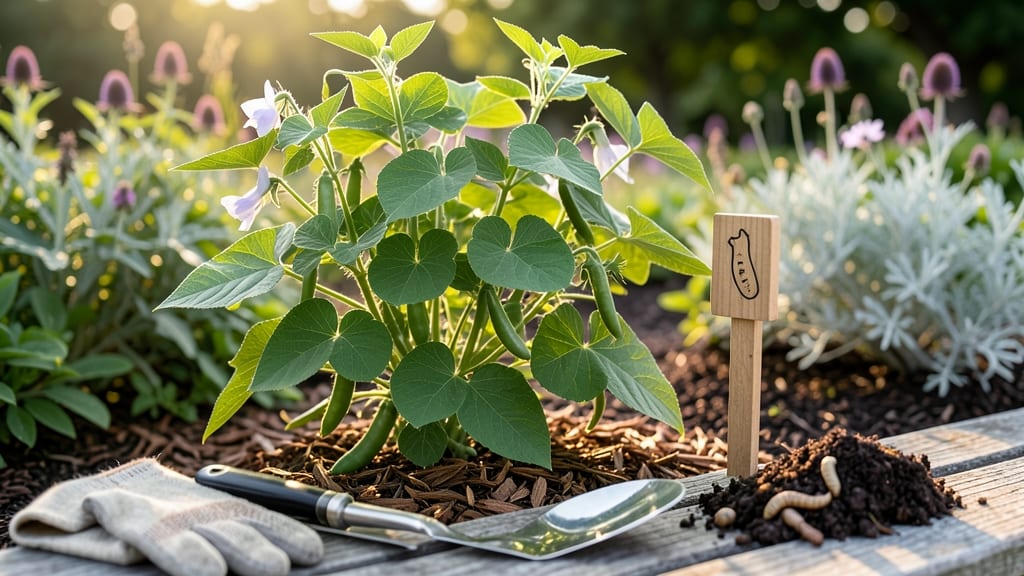
Timing your green bean planting in Oregon can make the difference between a thriving harvest and a failed garden—especially with the region's dramatic shifts from chilly coastal mornings to scorching inland afternoons.
The 🌱 key isn't just waiting for calendar dates but tracking soil warmth (aim for 60°F or higher) and knowing your microclimate's last frost risks.
Whether you're in the Willamette Valley, the high desert, or the coast, planting too early in cold soils can leave seeds rotting in the ground.
I'll walk you through the exact windows—late April to early June for spring crops and July to early August for fall—that align with Oregon State University's research-backed advice for your specific zone.
You'll also discover how to adjust for your location's quirks: coastal areas play it safe with later plantings, while inland zones can start earlier. Plus, I'll share pro tips for succession planting to keep your kitchen stocked from July through October without overcrowding your garden.
Ready to grow beans that actually thrive? Let's break down the science behind Oregon's planting zones and the simple tricks that guarantee success—no more guesswork, just green beans.
Oregon’s green bean planting zones: coastal vs inland soil warmth requirements
Oregon’s diverse climate—from the cool coastal fog to the hot inland valleys—means green beans thrive in different windows. The key to success? Soil temperature and last frost dates that vary wildly across regions.
Let’s break down the three critical zones where Oregon gardeners grow green beans: the Coast Range, Willamette Valley, and Eastern Oregon high desert.
Green beans need soil temps of 50–60°F to germinate, but they’ll rot in cold, soggy soil. Coastal areas like Astoria or Cannon Beach often wait until late May or June, while inland spots like Bend or Pendleton can plant as early as mid-April.
Elevation also plays a role—every 1,000 feet higher delays planting by about 1–2 weeks.
Here’s how Oregon’s USDA zones 7b–9a translate to your green bean planting plan:
| Region | USDA Zone | Last Frost Date | Ideal Planting Window | Soil Temp Threshold | Key Varieties |
|---|---|---|---|---|---|
| Coastal (e.g., Astoria, Newport) | 8a–9a | Late May–June 10 | June 1–July 15 | 55–60°F | ‘Blue Lake’, ‘Kentucky Wonder’ |
| Willamette Valley (e.g., Portland, Eugene) | 7b–8b | April 15–May 1 | May 1–June 15 | 50–55°F | ‘Contender’, ‘Provider’ |
| Eastern Oregon (e.g., Bend, La Grande) | 6b–7b | May 1–15 | May 15–June 30 | 50–55°F | ‘Tendercrop’, ‘Blue Lake’ |
For coastal gardeners, the June 1–July 15 window is non-negotiable. The ocean’s cooling effect keeps soil cold longer, and frost can linger until June in sheltered valleys like the Columbia River Gorge. Use black plastic mulch to warm soil faster if you’re eager to plant earlier.
In the Willamette Valley, where Portland’s urban heat island can push soil temps up faster, you can start 2–3 weeks earlier than coastal areas. Test soil with a soil thermometer—green beans won’t germinate below 50°F, and cold soil causes rot. Aim for 60°F+ for fastest sprouting.
Eastern Oregon’s high-desert climate (e.g., Bend, La Grande) offers a longer growing season, but dry winds and temperature swings demand extra care.
Plant dwarf varieties like ‘Tendercrop’ to avoid wind damage, and mulch heavily to retain moisture. July–August is also prime time for a fall crop in these areas.
Pro tip: Check Oregon State University’s frost risk maps (extension.oregonstate.edu) for real-time updates. Microclimates matter—your neighbor’s garden might be 10°F warmer or colder than yours! 🌱
Step-by-step green bean planting timeline for Oregon’s microclimates
Oregon’s three distinct growing regions—coastal, Willamette Valley, and high desert—each demand a tailored approach to planting green beans. The key is aligning your schedule with soil warmth (at least 60°F) and avoiding late-spring frosts that can wipe out seedlings overnight.
For coastal Oregon, where cold air lingers, wait until mid-May to plant, when soil temperatures consistently reach 55-60°F. Inland areas like the Willamette Valley can start as early as late April, while high-desert regions should aim for early June to escape late frosts.
🌱 Pro Tip: Use a soil thermometer to verify warmth—don’t rely on air temperature alone. Coastal soils stay cooler for weeks longer than inland spots.
📅 Oregon Green Bean Planting Timeline
Test soil warmth—plant only if consistently 60°F+. Use black plastic mulch to warm soil faster in high-desert areas.
Direct sow seeds 1 inch deep, spacing 2-3 inches apart. Use row covers if frost threatens (check Oregon State University’s frost forecasts).
Plant bush varieties (like 'Blue Lake') for shorter seasons. Water deeply at planting to encourage root growth in dry soils.
Sow a second crop for late-summer harvests. Choose drought-tolerant varieties (e.g., 'Contender') for inland heat. Mulch to retain moisture.
Every 2-3 weeks, sow new seeds to stagger harvests. Avoid planting after mid-August in coastal areas—pods won’t mature before frost.
🌿 Companion Planting Tip: Pair green beans with corn and potatoes to improve soil nitrogen naturally. Avoid planting near onions or garlic, which stunt bean growth.
Monitor your garden closely after planting—yellowing leaves often signal soil too cold, while wilting may mean roots need deeper watering. With this timeline, you’ll dodge Oregon’s frost risks and enjoy beans from July through October.
☀️ Harvest Ready: Pods should be 4-6 inches long and snap crisply. Pick every 2-3 days to encourage more production!