
Plants
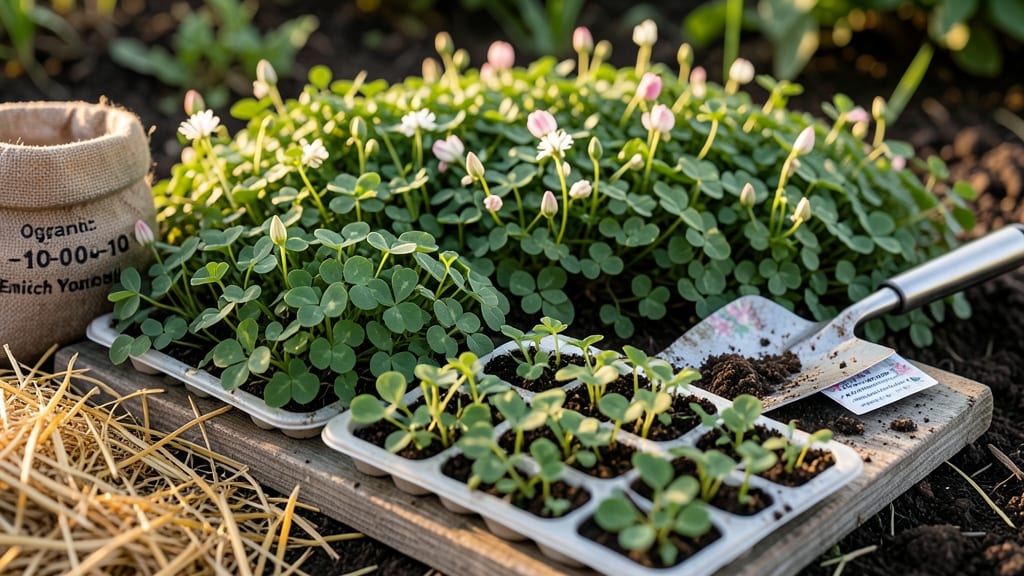
If you're planting Haygrazer clover in Oklahoma, getting the timing right could mean the difference between a thriving drought-resistant pasture and a failed investment.
This hardy forage loves Oklahoma's climate—but only when planted during the perfect windows of early spring or late summer, when soil temperatures and moisture align just right.
Most Oklahoma growers swear by seeding between March and April or August and September, avoiding the scorching heat of summer or the unpredictable frost risks of late fall.
The key is planting after the last frost date when soil reaches 60°F, ensuring strong germination before summer's intensity kicks in.
Why does this matter? Because Haygrazer clover 🌱 thrives on consistency—too early, and frost can damage young shoots; too late, and summer heat stresses seedlings before they establish roots. Let me show you exactly how to time your planting for maximum success in Oklahoma's varied climate zones.
From soil prep to regional adjustments, I'll walk you through the proven strategies that Oklahoma farmers use to guarantee lush, resilient pastures year after year. Ready to unlock the secrets of drought-proof forage?
Best planting months for Haygrazer clover in Oklahoma (by region)
Oklahoma’s diverse climate means planting timing varies drastically from the northern panhandle to the southern tip. Haygrazer clover thrives when planted during two ideal windows: early spring and late summer. These periods align with soil warmth, rainfall patterns, and frost-free conditions critical for germination and establishment.
For Northern Oklahoma (USDA Zones 6b-7a), where frost lingers longer, aim for mid-March to early April for spring plantings. Southern regions (Zones 7b-8a) can start as early as late February.
Meanwhile, late summer plantings should occur between mid-August and early September across the state to avoid summer drought stress.
🌱
| Region | Spring Planting Window | Late Summer Planting Window | Soil Temp Requirement | Key Consideration |
|---|---|---|---|---|
| Northern OK (Zones 6b-7a) | Mid-March to early April | Mid-August to early September | 60°F+ | Watch for late frosts (avg. last frost: March 20) |
| Central OK (Zones 7a-7b) | Late February to mid-April | Late August to mid-September | 60°F+ | Moderate rainfall; irrigate if dry |
| Southern OK (Zones 7b-8a) | Late February to early April | Late August to early October | 60°F+ | Higher humidity; monitor for fungal risks |
Adjust your planting schedule based on local frost dates and soil moisture. Use a soil thermometer to confirm temperatures reach 60°F before planting—this ensures 90%+ germination rates. In drier years, prioritize late summer plantings when Oklahoma’s late-summer rains arrive.
For early spring plantings, seed before April 15 to allow 6-8 weeks of growth before summer heat sets in. If you miss this window, late summer is your second chance—just ensure seeds are in the ground by September 1 to establish roots before frost arrives in November.
In Northern Oklahoma, where winters are harsher, consider cover crops like ryegrass to protect newly planted Haygrazer from winter winds. Southern regions can plant slightly later due to milder winters, but avoid planting after September 15 to prevent stunted growth before dormancy.
Pro tip: Check Oklahoma Mesonet’s weekly soil temperature maps for real-time data. This helps fine-tune your planting schedule based on actual conditions rather than averages.
🌡️
If you’re in a transition zone (like the Oklahoma City area), split your planting into two batches: one in early spring and another in late summer. This diversifies your forage production and reduces risk from unpredictable weather.
Remember, Haygrazer clover is a cool-season forage, meaning it grows best when temperatures are 50°F to 75°F. Planting outside these windows risks poor establishment or heat stress during Oklahoma’s scorching summers.
Best planting months for Haygrazer clover in Oklahoma (by region)
Oklahoma’s diverse climate—from the humid east to the arid west—means your Haygrazer clover planting window varies by region. In Northern Oklahoma (USDA Zone 6b), aim for early spring (March–April) or late summer (August–September) to avoid frost damage and summer drought stress.
Meanwhile, Southern Oklahoma (Zone 8a) ranchers can extend planting into early May or as late as October, thanks to milder winters and longer growing seasons.
For Central Oklahoma (Zones 7a–7b), the sweet spot is mid-March to early April or mid-August to early September. These windows align with soil temperatures above 60°F—critical for germination—and stable rainfall patterns that reduce irrigation needs.
Always check your local frost dates (typically March 15 for last frost and November 15 for first frost) to fine-tune your schedule.
🌱Pro Tip: Use a soil thermometer to confirm 60°F+ soil temps before planting—cold soil delays germination by weeks. In dry years, prioritize late summer planting when Oklahoma’s monsoon season boosts moisture.
If you miss the primary windows, don’t panic. Haygrazer clover is tough—it can handle light frost and even early fall plantings in Southern Oklahoma. However, avoid summer planting in Northern Oklahoma (June–July), where intense heat and low humidity often lead to poor germination.
Instead, opt for oversowing in established pastures during late summer to boost fall forage.
💧Watering Tip: After planting, keep soil consistently moist (not soggy) for 2–3 weeks to encourage root establishment. In clay-heavy soils, consider raised beds or sand amendments to improve drainage—Haygrazer hates waterlogged roots.
For maximum yield, time your planting to precede peak grazing demand. In Oklahoma, this usually means spring plantings for late spring/early summer forage and fall plantings for winter stockpile.
Adjust based on your livestock’s needs—calves need lush spring forage, while mature cows benefit from fall regrowth before dormancy.