
Plants
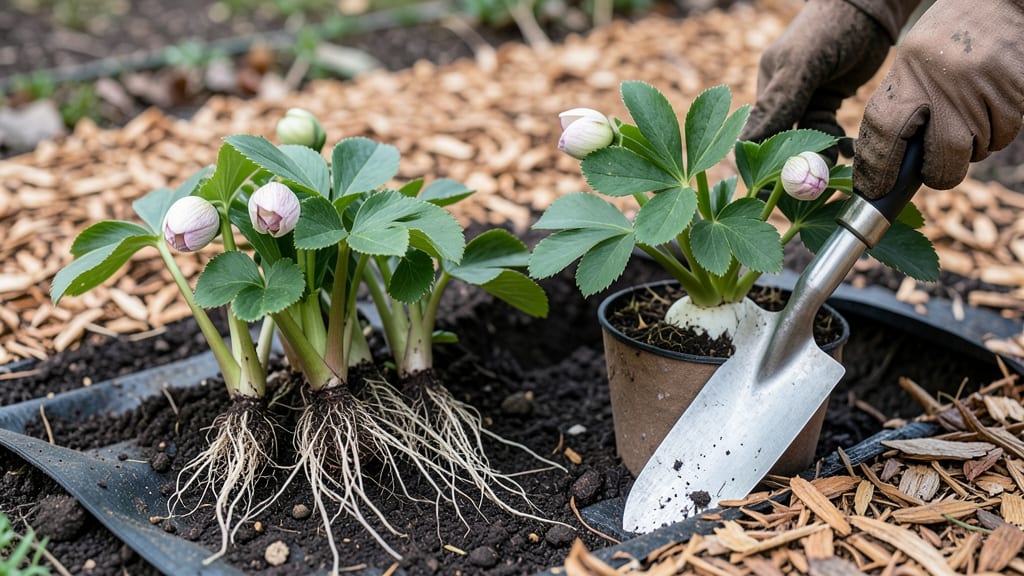
If you're a Zone 8 gardener dreaming of stunning winter blooms, timing your hellebores planting just right is the key. Planting these delicate 🌸 hellebores too early risks frost damage, while waiting too long can delay their breathtaking displays.
The secret lies in late summer - a narrow window where soil stays warm enough for root growth but cool enough to avoid summer stress.
Most gardeners assume hellebores must be planted in early spring, but that's not always the best approach for Zone 8's climate. The ideal planting window actually opens in late August and closes by early October, giving roots time to establish before winter sets in.
This timing ensures your hellebores will reward you with vibrant flowers when few other plants are blooming.
What makes this timing so crucial? Hellebores planted in late summer benefit from cooler temperatures and natural rainfall, reducing the need for frequent watering. Plus, they'll be ready to burst into bloom as soon as winter arrives, adding color to your garden when you need it most.
Let me show you exactly how to time your planting for maximum success.
Whether you're adding hellebores to shady garden corners or creating a winter interest border, getting the timing right makes all the difference. I'll walk you through the perfect late-summer planting process, including soil prep and care tips that will have your hellebores thriving for years to come. Let's get started!
Optimal planting window for hellebores in Zone 8: late summer timing explained
Planting hellebores in Zone 8 requires precision timing to avoid frost damage while ensuring roots establish before winter. The ideal window spans mid-August to early October, a 6-week period that balances cool soil temperatures and reduced frost risk.
This late-summer timing lets hellebores settle in without competing with summer heat or facing early winter dormancy.
Zone 8's first frost date typically lands around November 15, so planting by early October gives roots 6-8 weeks to establish before dormancy. Soil temperatures should hover between 50°F and 65°F—too warm, and roots struggle; too cool, and growth stalls.
Aim for 60-65°F soil temps for optimal root development.
Why late summer? Hellebores planted in early fall avoid the heat stress of summer while still benefiting from fall rains that naturally water young plants. This timing also lets you skip spring planting, which can stress hellebores when they emerge from dormancy too early.
Zone 8 gardeners often see better survival rates with fall plantings compared to spring.
Here’s the critical timeline for Zone 8 hellebore planting:
| Stage | Action | Soil Temp | Notes |
|---|---|---|---|
| Mid-August | Prepare soil | 65-75°F | Amend with compost |
| Late August | Plant bare-root | 60-65°F | Water deeply |
| September | Mulch heavily | 55-60°F | Protect from heat |
| Early October | Final watering | 50-55°F | Prep for dormancy |
If you miss the fall window, early spring (March-April) is your second chance—but hellebores planted in spring may bloom later or produce fewer flowers that first year. Zone 8’s last frost date around January 15 means spring plantings must wait until soil warms to 55°F+ to avoid root rot.
For best results, stick to fall.
Pro tip: Use container gardening if your soil drains poorly. Hellebores hate soggy roots, and Zone 8’s clay-heavy soils can trap moisture. Containers also let you control soil mix and move plants to shadier spots during summer heat.
Just ensure pots have drainage holes and use a well-draining potting mix.
Watch for signs of stress after planting: wilting leaves or yellowing foliage often mean overwatering or poor drainage. Adjust your care by reducing water and checking soil moisture 1 inch below the surface.
A simple finger test—stick your finger in the soil—tells you if it’s too dry or too wet.
Once established, hellebores in Zone 8 will thrive year-round, offering winter blooms when most gardens are dormant. The key? Planting in that 6-week late-summer window and giving them partial shade to protect from Zone 8’s intense summer sun.
With the right timing, your hellebores will reward you with months of color from late fall through early spring.
🌸
Optimal planting window for hellebores in Zone 8: late summer timing explained
For Zone 8 gardeners, the ideal hellebore planting window spans mid-August to early October. This late-summer timing lets roots establish before winter while avoiding early frost risks. In Zone 8, first frosts typically arrive mid-November, giving you a 6-week safety margin for root growth.
Hellebores thrive when planted when soil temperatures drop below 75°F but stay above 50°F. This late summer window balances warm soil for root development with cooling temps that reduce transplant shock. Aim for September planting for best results—this month offers perfect conditions in most of Zone 8.
🌱 Hellebore Planting Timeline for Zone 8
| Stage | Action | Soil Temp | Notes |
|---|---|---|---|
| Mid-August | Prepare soil | 75-85°F | Amend with compost |
| Late August | Plant bare-root | 65-75°F | Water deeply |
| September | Plant container-grown | 60-70°F | Best success rate |
| Early October | Final planting | 55-65°F | Mulch heavily |
Planting in September gives hellebores 6-8 weeks of warm soil before winter dormancy. This timing ensures roots establish before Zone 8's first frost (typically mid-November). For container-grown hellebores, September is ideal—they've already developed some roots, making them more resilient to transplant shock.
If you miss the late-summer window, early spring planting (February-March) is your second option. However, spring-planted hellebores may bloom 6-12 months later than fall-planted ones. The trade-off? Spring planting avoids winter stress entirely, which can be critical for young hellebores in colder microclimates within Zone 8.
Pro tip: Water deeply after planting and maintain consistent moisture for the first 4-6 weeks. Hellebores planted in late summer need 1-1.5 inches of water weekly until roots establish. Use drip irrigation or soaker hoses to avoid wetting foliage, which can promote fungal diseases like leaf spot.
In Zone 8's mild winters, hellebores planted in late summer often bloom their first winter. The key is ensuring roots have 4-6 weeks of warm soil before temperatures drop below 50°F. This timing transforms your garden into a winter wonderland with minimal effort! 🌿