
Plants
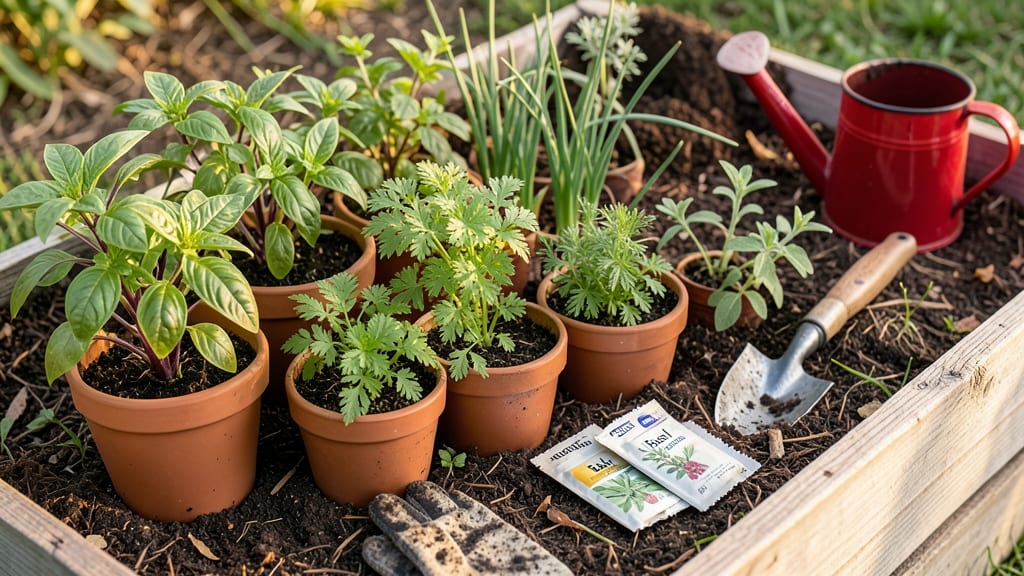
Figuring out when to plant herbs in Oregon can feel like solving a puzzle—because your neighbor’s perfect rosemary might freeze in your backyard. Oregon’s wild mix of coastal chill, valley warmth, and high-desert heat means timing is everything for thriving 🌿 gardens.
Most gardeners in USDA zones 7b-9a (that’s most of Oregon) can start herbs outdoors between March 15 and May 15 for spring, or August 15 to September 30 for fall. But here’s the catch: Portland’s last frost hits around March 15, while Medford’s lingers until May 1.
That’s a 6-week difference—enough to turn your basil into a sad, leggy mess.
I’ve tested these windows in my own garden, and the key is matching your microclimate to the right herbs. Coastal gardeners can plant early, while high-desert growers should wait until soil warms.
Let me break down exactly when to start seeds indoors, when to direct-sow, and how to stretch your harvest with smart timing.
Skip the guesswork—whether you’re growing basil for pesto or rosemary for roasts, these localized tips will help you avoid common pitfalls and enjoy fresh herbs all season. Ready to turn your Oregon garden into a flavor factory?
Oregon’s herb planting zones: coastal vs. Willamette Valley vs. high desert timing
Oregon’s herb gardening success hinges on understanding its three distinct microclimates: the coastal fog belt, the Willamette Valley, and the high desert. Each zone has unique frost dates and growing conditions that dictate when to plant your basil, rosemary, or thyme.
Ignoring these differences can mean wilted seedlings or stunted growth—so let’s break it down by region.
In coastal Oregon (e.g., Astoria, Cannon Beach), cool summers and mild winters create a longer growing season but with high humidity. The last frost date typically falls around March 15–April 1, while first frost arrives October 15–November 1.
This means you can start planting herbs as early as February for hardy varieties like parsley or chives, but wait until April 15 for tender herbs like basil or cilantro.
| Zone | Last Frost Date | First Frost Date | Ideal Planting Window | Best Herbs for Zone |
|---|---|---|---|---|
| Coastal (e.g., Astoria) | March 15–April 1 | October 15–November 1 | February (hardy herbs) / April 15 (tender herbs) | Parsley, Chives, Dill, Mint, Cilantro |
| Willamette Valley (e.g., Portland, Eugene) | March 15–April 15 | October 1–October 15 | March 15 (spring) / August 15 (fall) | Basil, Rosemary, Thyme, Sage, Oregano |
| High Desert (e.g., Bend, La Pine) | May 1–May 15 | October 15–November 1 | May 15 (spring) / August 1 (fall) | Rosemary, Thyme, Sage, Lavender, Tarragon |
The Willamette Valley, home to Portland and Eugene, offers warmer temperatures and longer frost-free periods. Here, the last frost date ranges from March 15 to April 15, while first frost arrives October 1–15.
This zone is perfect for heat-loving herbs like rosemary and basil, which thrive with 6+ hours of sunlight. Start indoor seedlings in February and transplant after April 15 to avoid late frost damage.
For high-desert regions like Bend or La Pine, hot, dry summers and cold winters demand heat-tolerant herbs. The last frost date is May 1–15, and first frost arrives October 15–November 1.
Plant after May 15 to give tender herbs enough time to establish roots before scorching heat. Rosemary, thyme, and lavender are ideal choices for this zone, as they thrive in well-draining soil and drought conditions.
Regardless of your Oregon zone, always test your soil’s drainage before planting. Poor drainage can drown herb roots, especially in coastal areas with high humidity. Amend clay-heavy soil with compost or sand to ensure well-draining conditions.
Additionally, mulch around plants to retain moisture in high-desert areas while preventing soil erosion in coastal gardens.
Pro tip: Use Oregon State University’s frost date maps to pinpoint your exact last frost date. This localized data ensures you plant at the perfect time for maximum herb productivity.
For container gardening, you can extend your season by moving pots indoors before first frost—ideal for tender herbs like basil or cilantro.
Now that
Best herbs to plant by season in Oregon (and when to start indoors)
Timing is everything when growing herbs in Oregon, where spring and fall planting windows differ dramatically by region. Tender herbs like basil and cilantro thrive with cool spring starts, while hardy perennials like rosemary and thyme can handle Oregon’s mild winters.
Start slow growers indoors 6-8 weeks before your last frost date to jumpstart their growth.
For coastal areas (like Astoria), begin sowing seeds indoors in February for spring harvests, while high-desert regions (like Bend) can wait until mid-March. Oregon’s Willamette Valley sits in between, with ideal indoor starts in late February for most herbs.
Always check your local USDA zone—most of Oregon falls between 7b-9a—to fine-tune your schedule.
🌿 Oregon Herb Planting & Harvest Guide by Season
| Herb | Indoor Start (Zone 7b-8b) | Outdoor Plant (Spring) | Outdoor Plant (Fall) | Harvest Window |
|---|---|---|---|---|
| Basil | March 1–15 | April 15–May 1 | August 15–September 1 | June–September |
| Rosemary | February 15–March 1 | April 1–May 15 | September 1–October 1 | Year-round (prune lightly) |
| Cilantro | February 15–March 15 | March 15–April 15 | August 1–September 15 | April–June, Sept–Oct |
| Thyme | February 1–March 1 | April 1–May 1 | September 1–October 1 | May–October |
| Parsley | March 1–March 15 | April 1–May 1 | August 15–September 15 | June–October |
*Timing varies by microclimate—adjust 2–4 weeks earlier for high-desert areas or later for coastal regions.
For succession planting, sow fast-growing herbs like cilantro or dill every 2-3 weeks during spring and fall to ensure a continuous harvest. Oregon’s mild summers make late-summer sowings ideal for basil and parsley, which can thrive until the first frost.
Use row covers in fall to extend harvests for tender varieties.
Overwintering herbs like rosemary, thyme, and sage is easy in Oregon’s USDA Zone 8-9 areas. Simply prune back 1/3 of the plant in early spring and mulch heavily to protect roots.
For tender perennials like basil, bring pots indoors before October 15 in most regions to enjoy fresh herbs year-round.
Pro tip: Use grow lights for indoor starts—Oregon’s short winter days can delay germination. Place seedlings under lights for 12-14 hours/day until they’re ready for transplanting. This trick works especially well for slow starters like rosemary and oregano, which need extra warmth to germinate.