
Plants
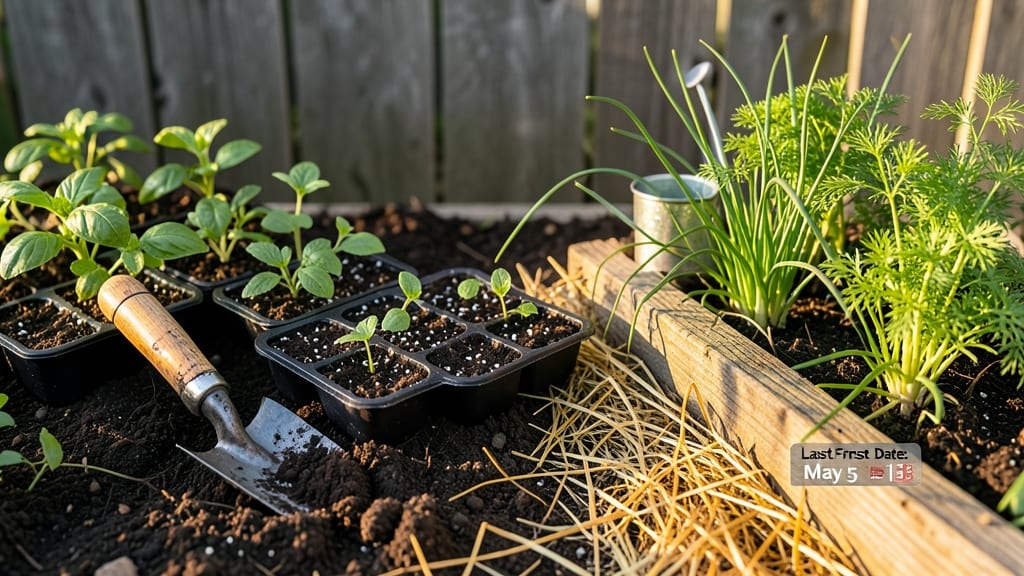
Timing your herb planting in Wisconsin wrong could mean the difference between a thriving 🌿 herb garden and a sad, frost-kissed disappointment.
The perfect window for planting herbs in Wisconsin isn’t just about the calendar—it’s about knowing your microclimate, whether you're in Milwaukee’s urban heat pockets or Door County’s coastal chill.
With Wisconsin’s USDA zones 5a-6b and unpredictable frost dates, getting the timing right is everything. Plant too early, and a late frost will wipe out your tender basil or parsley. Too late, and you’ll miss out on the full harvest season from May to September.
I’ll break down exactly when to plant—whether you’re starting seeds indoors in March or transplanting outdoors in late April or August—so you can maximize your growing season without guessing. Let’s get those herbs flourishing!
From hardy perennials like thyme to heat-loving basil, you’ll learn the ideal timing for each type, plus pro tips to extend your harvest well into fall. No more wasted effort—just a zero-frost-risk herb garden that keeps giving all season.
Wisconsin’s frost-free planting zones: when to plant herbs by region
Wisconsin’s last frost dates vary wildly—from April 15 in the northern lakes to May 1 along Lake Michigan shores. These microclimates mean your basil in Milwaukee might thrive while your parsley in Eau Claire still waits for soil to warm.
The key? Planting after your local frost-free date, which I’ll break down by Wisconsin’s 5 distinct regions.
Use the Wisconsin State Climatology Office’s frost data as your guide. For example, USDA Zone 5a (northern WI) has a May 10 average last frost, while Zone 6b (southern WI) hits April 22.
Check your county’s historical data—urban areas like Madison often warm faster than rural zones due to heat islands.
Here’s your region-by-region planting timeline for herbs in Wisconsin, including soil temperature thresholds and frost risk windows:
Pro tip: Use a soil thermometer to confirm your garden’s readiness. Herbs like basil need soil at 50°F (10°C), while hardy perennials like thyme tolerate 45°F (7°C). Plant 4–6 weeks before your region’s last frost if starting seeds indoors—more on that in the next section.
For late-summer herbs (like coriander or dill), aim for August 1–15 in southern WI or August 15–30 in northern zones. These cool-season lovers thrive in Wisconsin’s short autumn before the first frost (October 10–20, depending on your zone).
Don’t forget microclimates within your yard! South-facing walls or paved areas can be 5–10°F warmer than open ground. Test spots with a frost-sensitive plant (like basil) a week before your target planting date to gauge safety.
If you’re in Zone 5a and eager to start early, consider a cold frame or row cover to protect tender herbs like cilantro or parsley from late frosts. I’ll cover these season-extending hacks in the next section—stay tuned!
Remember: Herbs planted too early risk bolting (going to seed) or rotting in cold soil. Herbs planted too late may not mature before frost. Nail the timing, and you’ll enjoy fresh herbs from June to October—or even longer
Herb-specific planting timing: hardiness zones vs. heat tolerance
Not all herbs thrive in Wisconsin’s cool springs and short summers. Some, like basil, bolt in heat, while thyme shrugs off frost. Your planting strategy depends on whether you’re growing annuals (like cilantro) or perennials (like oregano) and whether you’re starting seeds indoors or transplanting outdoors.
For tender annuals (basil, cilantro, dill), wait until after the last frost—typically May 1-15 in most of Wisconsin—to plant outdoors. Hardy perennials (thyme, oregano, sage) can handle early spring plantings (April) or even fall transplants for next year’s harvest.
🌱
For basil and cilantro, start seeds indoors 6-8 weeks before your last frost date. These heat-sensitive herbs need a head start to mature before Wisconsin’s summer heat triggers bolting. If you’re in Zone 5a (northern WI), aim for indoor starts in early March.
Conversely, rosemary and lavender are drought-loving Mediterranean herbs that thrive in Wisconsin’s late summer heat. Plant them outdoors after June 15 to avoid spring frosts. Succession planting every 2-3 weeks ensures a steady harvest.
🌿
Pro tip: Label your seedlings with their planting dates and heat tolerance. This helps you rotate crops and avoid overcrowding in your herb garden. For example, parsley and chives can share space, while basil needs its own 6-inch radius to thrive.