
Plants
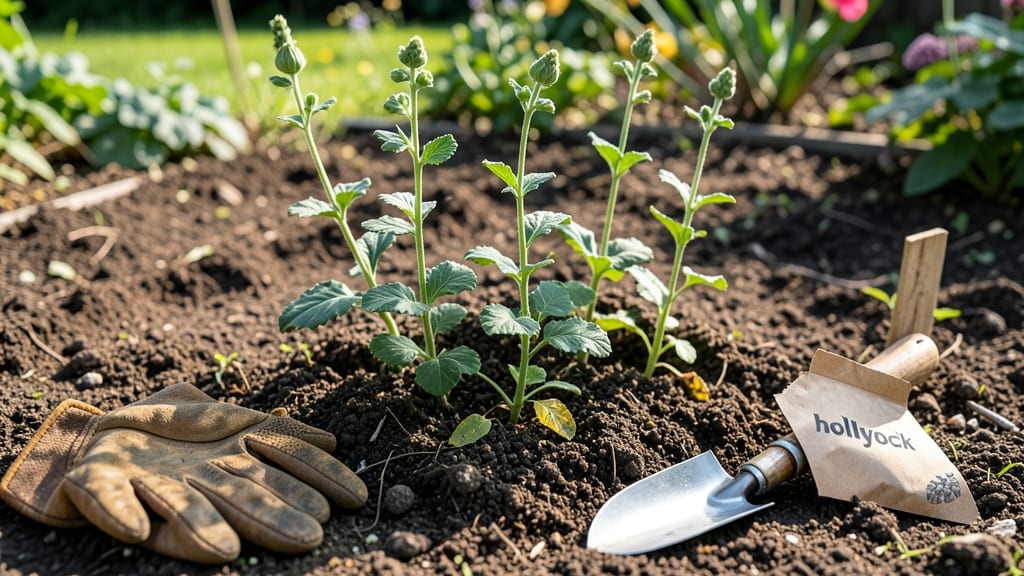
When to plant hollyhock seeds in Colorado isn’t just about following a calendar—it’s about outsmarting the state’s wild elevation swings and sneaky frost surprises. Those towering 🌸 blooms you dream of won’t magically appear if you plant too early or too late, especially when Denver’s last frost can still linger in May while mountain towns wait until June.
Most gardeners in USDA zones 4-7 (like Denver’s 5-6) swear by the April-June window, but here’s the catch: at 7,000+ feet, you’ve got 3-4 weeks less growing season. Miss the mark, and your seedlings might become frost snacks instead of summer stars.
The good news? A fall planting in August-September can give you a second chance at those dreamy blooms.
I’ve tested both spring and fall plantings across Colorado’s microclimates, and the key isn’t just the date—it’s the soil temp and moisture. Too cold, and seeds rot; too dry, and they’ll give up before sprouting.
Let me walk you through the exact frost-free windows by elevation, plus how to prep your soil and protect those delicate seedlings from Colorado’s infamous hail and wind.
Whether you’re a first-timer or a veteran gardener, getting this right means bigger blooms, healthier plants, and a garden that turns heads all summer. Ready to unlock your hollyhock’s full potential? Let’s dive into the perfect planting strategy for your corner of Colorado.
Colorado’s frost-free planting zones for hollyhock seeds by elevation
Colorado’s diverse elevations create unique planting challenges for hollyhocks. While lowland areas like Denver (5,280 ft) have predictable frost dates, mountainous regions like Aspen (8,000+ ft) can experience frost well into June.
Understanding your elevation zone ensures you plant hollyhock seeds at the perfect time for robust growth and stunning summer blooms.
Hollyhocks thrive in full sun (6+ hours daily) and well-drained soil, but their planting window shifts dramatically across Colorado. For example, lowland gardens (3,000–5,000 ft) can start seeds as early as mid-April, while mountain gardens (7,000+ ft) may need to wait until late May or even June.
Let’s break down the ideal planting zones to help you avoid frost damage and maximize your blooms.
🌱
| Elevation Zone | Avg. Last Frost | Ideal Planting Window | Microclimate Tips |
|---|---|---|---|
| Lowland (3,000–5,000 ft) | Mid-April | April 15–May 15 | Use row covers for early starts; watch for late frosts in valleys. |
| Foothills (5,000–7,000 ft) | Late April–Early May | May 1–June 1 | Plant near south-facing walls; avoid low-lying areas prone to cold air pooling. |
| Mountain (7,000+ ft) | Late May–June | June 1–July 1 | Start seeds indoors in April; harden off before transplanting. |
If you’re unsure about your last frost date, check the Colorado State University Extension or local weather stations. For example, Fort Collins (5,000 ft) typically sees its last frost around May 1, while Leadville (10,000 ft) can experience frost until mid-June.
Adjust your planting schedule accordingly to give hollyhocks enough time to mature before winter.
For fall planting, aim for late August to early September in lowland areas. This allows seeds to germinate before the first frost, giving you blooms the following summer.
In higher elevations, wait until September to avoid premature frost damage. Always choose well-drained soil and a sunny location to ensure healthy growth.
🌿
Another key factor is soil temperature. Hollyhock seeds germinate best in soil that’s at least 50°F (10°C). Use a soil thermometer to confirm readiness—especially in cooler mountain regions.
If temperatures are too low, consider using a cold frame or black plastic mulch to warm the soil and speed up germination.
Pro tip: Succession planting every 2–3 weeks in spring extends your blooming season. For example, plant one batch in early May and another in late May to enjoy continuous towering hollyhock blooms from July through September. This works especially well in lower-elevation gardens with longer growing seasons.
🪴
Don’t forget to protect young seedlings from Colorado’s unpredictable weather. Strong winds and hail are common, especially in open high-elevation gardens. Use stakes or cages to support tall varieties like ‘Black Prince’ or ‘Chater’s Double’. For extra protection, plant hollyhocks near windbreaks like shrubs or fences.
Finally, water deeply but infrequently once established. Hollyhocks are drought-tolerant but prefer consistent moisture during their first growing season. In hot, lowland areas, water every 5–7 days, while mountain gardens may only need watering every 10–14 days due to cooler temperatures.
Colorado’s frost-free planting zones for hollyhock seeds by elevation
Colorado’s elevation zones create unique challenges for planting hollyhock seeds. Lowland areas (3,000–5,000 ft) have earlier frost-free dates, while mountain regions (7,000+ ft) face shorter growing seasons. Understanding these zones ensures your hollyhocks thrive. Let’s break down the best planting windows for each elevation to maximize your blooms.
For lowland Colorado (3,000–5,000 ft), like Denver or Colorado Springs, the last frost typically occurs around April 15–May 1. This gives you a 120–140-day growing season, perfect for direct sowing hollyhock seeds in mid-April to early June.
Fall planting is also viable in late August for blooms the following year.
At foothills elevations (5,000–7,000 ft), such as Fort Collins or Boulder, last frosts arrive May 1–15. Your growing season shortens to 100–120 days, so aim for late April to early May sowing.
Start seeds indoors in March for earlier transplants, or try fall planting in late July to August.
In mountain regions (7,000+ ft), like Aspen or Leadville, last frosts linger until May 15–June 1, leaving only 80–100 frost-free days. Plant hollyhock seeds late May to early July for best results.
For fall blooms, sow in late July, but expect limited growth before winter. Use row covers to extend the season.
Microclimates matter! South-facing slopes warm up faster, while valleys hold cold air longer. Adjust planting dates 1–2 weeks earlier for sunny slopes and 1–2 weeks later for shaded areas. Always monitor local forecasts—Colorado’s weather is unpredictable!
For fall planting, aim for August to early September in lowlands and late July to August in higher elevations. Hollyhocks sown in fall develop strong roots before winter, often blooming earlier the next year. Just ensure seeds germinate before first frost—typically October 15 in lowlands.
Pro tip: Use seed starting trays indoors in March for mountain regions. Transplant hardened-off seedlings after your last frost for a head start. With the right timing, your hollyhocks will reward you with stunning summer blooms—no matter your elevation! 🌸