
Plants
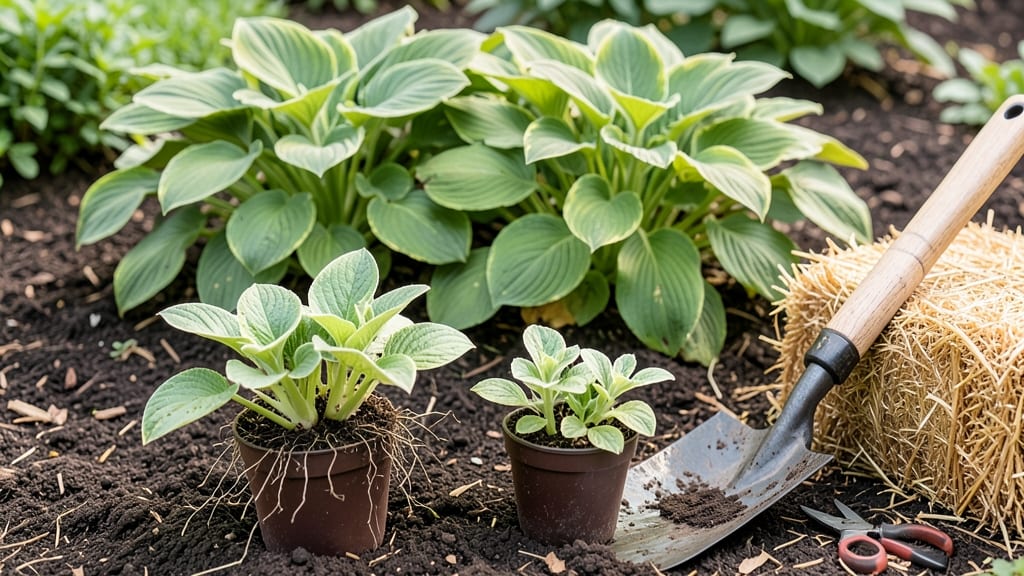
Timing your Hosta planting just right in Minnesota is the difference between a thriving 🌿 garden and one that struggles to survive the harsh winters. Too early, and frost will damage tender roots; too late, and your hostas won’t establish strong growth before the first freeze.
With Minnesota’s USDA Zones 4a-5b climate, knowing the exact window for planting is key to success.
Most Minnesota gardeners wait until late April or early May to plant hostas, once the soil has warmed and the threat of frost has passed. This frost-free timeline gives your plants the best chance to develop deep, resilient roots before summer heat sets in.
But what if you’re in northern Minnesota versus the southern part of the state? The answer varies—and getting it right makes all the difference.
In this guide, I’ll break down the ideal planting window, soil prep tips, and how to adjust for Minnesota’s unpredictable weather. Whether you’re a beginner or a seasoned gardener, these insights will help you plant hostas with confidence. Let’s get your garden off to the best start possible.
You’ll also learn how to spot common mistakes—like planting too deep or choosing the wrong shade spot—that can stunt your hostas’ growth. With the right approach, your Hosta plants will return year after year, stronger and more beautiful than ever. Ready to dive in?
Minnesota’s frost-free planting zones for hostas: hardiness map breakdown
Minnesota’s USDA Zones 3-5 create unique challenges for planting hostas. These zones experience late spring frosts (often until mid-May) and early fall frosts (starting early October). To thrive, hostas need 60°F soil temperatures and frost-free conditions for at least 4-6 weeks to establish roots.
Southern Minnesota (Zone 5b) enjoys earlier last frost dates (around May 1), while northern areas (Zone 3b-4a) may wait until late May or early June. This two-week window difference means gardeners in Twin Cities vs. Duluth should adjust their planting schedules accordingly.
Hostas are hardy perennials that tolerate cold, but their foliage is frost-sensitive. Planting too early risks frost damage to emerging shoots, while late planting may leave them vulnerable to winter kill if roots don’t establish before dormancy.
Here’s how Minnesota’s microclimates affect planting:
- Southern MN (Zones 4b-5b): Safe to plant mid-April to early May
- Central MN (Zone 4a): Aim for late April to mid-May
- Northern MN (Zone 3b-4a): Wait until late May to early June
| Zone | Last Frost Date | Ideal Planting Window | Soil Temp Goal |
|---|---|---|---|
| 5b (Southern MN) | Mid-April | Mid-April to early May | 55-60°F |
| 4b (Central MN) | Late April | Late April to mid-May | 55-60°F |
| 4a (Northern MN) | Mid-May | Late May to early June | 60°F+ |
For container-grown hostas, you can plant 2-4 weeks earlier than in-ground plants since containers warm faster. However, bare-root hostas need to wait until soil is workable (50°F+) to prevent root damage.
Minnesota gardeners often ask: “Can I plant hostas in fall?” The answer is yes, but with caution. Fall planting works best in Zone 5b (southern MN) from late August to early September, giving roots time to establish before winter.
In northern MN, fall planting is risky unless using mulch protection.
Pro tip: Use a soil thermometer to confirm 60°F soil temps before planting. This simple tool prevents costly mistakes by ensuring roots can grow actively without frost stress.
Hostas thrive in partial shade, but light levels affect planting timing. In deep shade gardens, you can plant 2 weeks earlier since soil warms slower. Conversely, sunny borders may require delayed planting to prevent drought stress.
Remember: Hostas multiply quickly, so even a small delay in planting won’t ruin your garden—just plan for slower initial growth if roots struggle to establish before winter.
Step-by-step hostas planting timeline for Minnesota’s climate
Planting hostas in Minnesota follows a clear seasonal rhythm—timing your efforts to match the state’s USDA Zones 4a-5b ensures your plants thrive. Spring planting is ideal, but early fall offers a second chance for established plants. Let’s break down the month-by-month steps to maximize root growth and survival.
For spring planting, aim for late April to early May, after the last frost date (typically around May 15). This window gives your hostas 6-8 weeks of warm soil before summer heat arrives.
In northern Minnesota, wait until early June if frost lingers longer. Soil temperature should reach at least 50°F for best results.
Here’s your actionable timeline for planting hostas in Minnesota:
Test your soil pH (ideal: 6.5–7.5) and amend with compost or aged manure. Choose a partial shade spot with 3–6 hours of sunlight daily.
Dig holes twice as wide as the root ball and 1–2 inches deep. Space dwarf varieties 12–18 inches apart; standard types 24–36 inches. Water deeply after planting.
Apply 2–3 inches of mulch to retain moisture and protect roots. Water deeply once weekly (1–1.5 inches) and fertilize with 10-10-10 in early summer.
Only plant established hostas (not bare-root) 4–6 weeks before frost. Water thoroughly and mulch heavily to insulate roots over winter.
Cut back dead foliage in late fall but leave mulch intact. Avoid fertilizing—hostas need dormancy to survive Minnesota winters.
Adjust your timeline based on Minnesota’s microclimates. Urban areas may warm up faster than rural spots, while northern regions like the Arrowhead often have later frost dates. Always check your local Almanac frost predictions for precision.
Pro tip: If you miss spring planting, fall division (September) is your next best bet. Just ensure your hostas have 4–6 weeks to establish roots before winter sets in. With this timeline, your hostas will reward you with bold foliage and vibrant blooms year after year. 🌿