
Plants
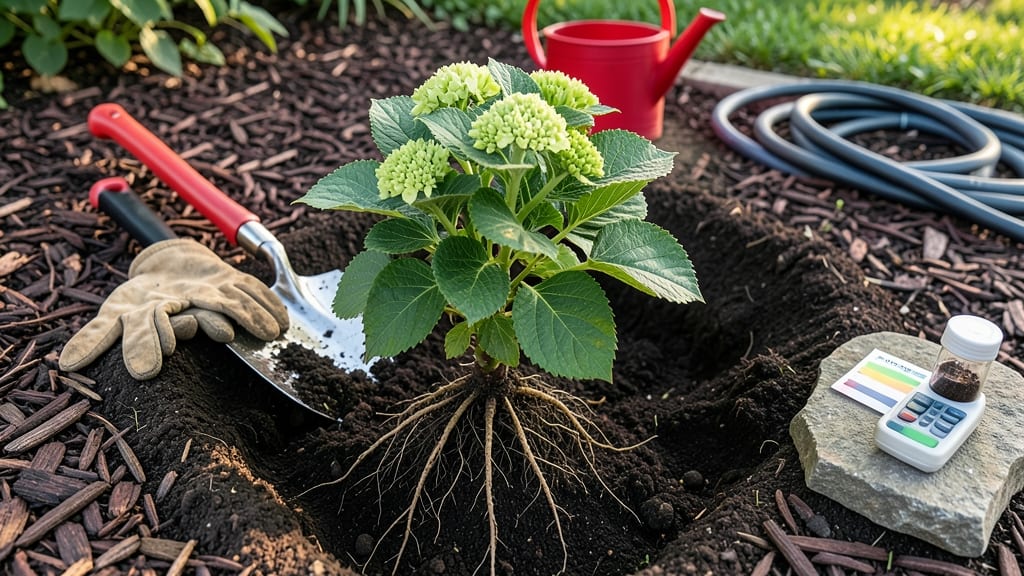
Timing your hydrangea planting in Kentucky isn’t just about the calendar—it’s about beating the last frost and setting your 🌸 hydrangeas up for a show-stopping summer. Plant too early, and a surprise freeze could stunt their growth; too late, and you might miss the sweet spot before summer heat arrives.
The key? Understanding your local frost dates and soil conditions to give your plants the best start.
Kentucky’s 6a-7a zones mean you’ve got a narrow window—typically between March and May for spring planting—to get hydrangeas in the ground before temperatures climb. But don’t overlook fall planting (September-October) as a smart alternative, especially for container-grown plants that need time to establish roots before winter.
The secret isn’t just when you plant, but how you prep the soil and protect them from Kentucky’s unpredictable weather swings.
If you’ve ever watched your hydrangeas struggle—wilting in the heat, browning at the edges, or failing to bloom—chances are, timing played a role.
I’ll walk you through the exact steps to plant at the perfect moment, from checking soil warmth to adjusting for microclimates (like urban heat islands vs. rural cool spots). With the right approach, your hydrangeas won’t just survive—they’ll thrive, giving you bold blooms from spring to fall.
Ready to turn your Kentucky garden into a hydrangea haven? Let’s dive into the frost-date secrets that’ll have your plants off to a flying start—no guesswork required.
Kentucky’s hydrangea planting timeline: frost dates by Zone
Kentucky’s USDA Zones 6-7 create a unique challenge for hydrangea lovers—late spring frosts can still threaten tender new growth, while summer heat demands careful timing. The key? Planting when soil temperatures hit 60°F and after the average last frost date, which varies by region.
For most of Kentucky, this means mid-April to early May, but rural areas may wait until late May.
Fall planting is equally critical—September to October gives roots time to establish before winter. Bare-root hydrangeas can handle cooler soil, but container-grown plants need warmer temperatures to avoid shock.
Always check your local USDA Zone for precise timing, as Louisville’s urban heat island effect can delay frosts by 1-2 weeks compared to rural areas.
| Zone & Region | Avg Last Frost | Ideal Planting Window | Soil Temp Threshold |
|---|---|---|---|
| Zone 6a (Northern KY: Paducah, Owensboro) | April 15 | April 20 - May 10 | 60°F (15°C) |
| Zone 6b (Central KY: Lexington, Frankfort) | April 1 | April 10 - May 5 | 60°F (15°C) |
| Zone 7a (Southern KY: Louisville, Bowling Green) | March 15 | March 25 - April 15 | 55°F (13°C) |
| Zone 7b (Far South KY: Hopkinsville) | March 1 | March 10 - April 5 | 55°F (13°C) |
For container-grown hydrangeas, timing is even more critical. These plants transplant best in spring when roots aren’t crowded, but you can also plant in early fall (September). The trick?
Avoid planting when daytime temps exceed 85°F, as this stresses roots. Hardy varieties like Oakleaf hydrangeas handle Kentucky’s humidity better than Bigleaf types, which need extra afternoon shade.
Pro microclimate hack: Urban areas like Louisville often see 1-2 week later frosts due to concrete heat absorption. Use a frost date calculator (like the Old Farmer’s Almanac) for your exact ZIP code.
Rural spots may plant 2 weeks earlier safely. Always test soil temperature with a probe—60°F is your magic number for spring planting.
Fall planting offers a second chance for Kentucky gardeners. Aim for 6-8 weeks before first frost (typically mid-September to early October). This gives roots time to establish before winter dormancy. Mulch heavily (3-4 inches) after planting to insulate roots from Kentucky’s freeze-thaw cycles.
Just avoid planting after October 15, as new growth may struggle to harden off before winter.
Did you know? Hydrangea roots can survive brief freezes down to 20°F, but new shoots are far more vulnerable.
That’s why fall planting (when roots grow but shoots stay dormant) often yields healthier plants than spring. Oakleaf hydrangeas are the toughest, handling Kentucky’s wild temperature swings better than mophead varieties.
If you’re planting in containers, Kentucky’s summer heat becomes your biggest enemy. Move pots to shade by 11 AM daily during June-August to prevent root burn. Self-watering containers with 50% perlite help, but even then, water 2x weekly during heatwaves. Never let soil dry completely—hydrangeas wilt dramatically when thirsty, often beyond recovery.
For bare-root hydrangeas, Kentucky’s clay-heavy soils demand amendments. Mix in compost and peat moss to improve drainage, then water deeply after planting. Stake tall varieties immediately—their top-heavy blooms can snap in Kentucky’s thunderstorms. Prune dead stems in early spring to redirect energy to new growth.
Remember: Patience pays off. Hydrangeas planted at optimal times in
Pro tips to extend your Kentucky hydrangea season
Kentucky’s unpredictable spring frosts and sweltering summer heat can sabotage even the most eager hydrangea grower. But with the right strategies, you can protect your plants year-round and enjoy longer bloom seasons than your neighbors. The key? Microclimate awareness and seasonal adjustments tailored to Kentucky’s USDA Zones 6a-7a.
First, focus on soil warmth—hydrangeas won’t thrive until the ground reaches 60°F (15°C). Use a soil thermometer to check before planting in March or April. In colder microclimates (like the Appalachian foothills), wait until mid-May to avoid frost damage to tender new growth.
🌱 Top 5 Pro Tips for Kentucky Hydrangeas
- 1. Mulch like a pro: Apply 3-4 inches of mulch in late fall (after first frost) to insulate roots. Use shredded hardwood or pine straw—avoid fresh wood chips, which can steal nitrogen.
- 2. Move containers strategically: Potted hydrangeas are frost magnets. Roll them onto brick or cinder blocks in winter or group them near south-facing walls for passive heat.
- 3. Frost cloth hack: Drape frost protection fabric over plants when night temps drop below 28°F (-2°C). Secure edges with bricks or landscape staples—no tenting needed!
- 4. Shade-saver trick: Install removable shade cloth (30-50% block) over east-facing windows in July-August to prevent sunburned leaves and dropped buds.
- 5. Water smarter: Deep-water weekly in summer (1-2 gallons per plant), but reduce to bi-weekly in fall to harden off roots before winter.
For frost-hardy varieties, prioritize Oakleaf hydrangeas (zone 4-9) or Panicle hydrangeas like ‘Limelight’—they bounce back from -20°F (-29°C) with minimal damage. Avoid mophead varieties in Zone 6a unless you’re willing to winter-wrap them like a burrito.
Don’t overlook pruning timing—wait until late winter (February) to trim last year’s blooms (like Bigleaf hydrangeas) or early summer (June) for new growth types. Prune too early, and you’ll sacrifice next year’s flowers.
Pro tip: Test your soil pH in early spring—hydrangeas thrive in acidic soil (5.2-6.2). If your blue blooms turn pink, it’s time for aluminum sulfate (for blues) or lime (for pinks). Kentucky’s limestone-rich soil often needs amendments to keep colors vibrant.
With these tweaks, your hydrangeas will bloom longer, survive Kentucky’s extremes, and become the showstopper of your garden—year after year. 🌸