
Plants
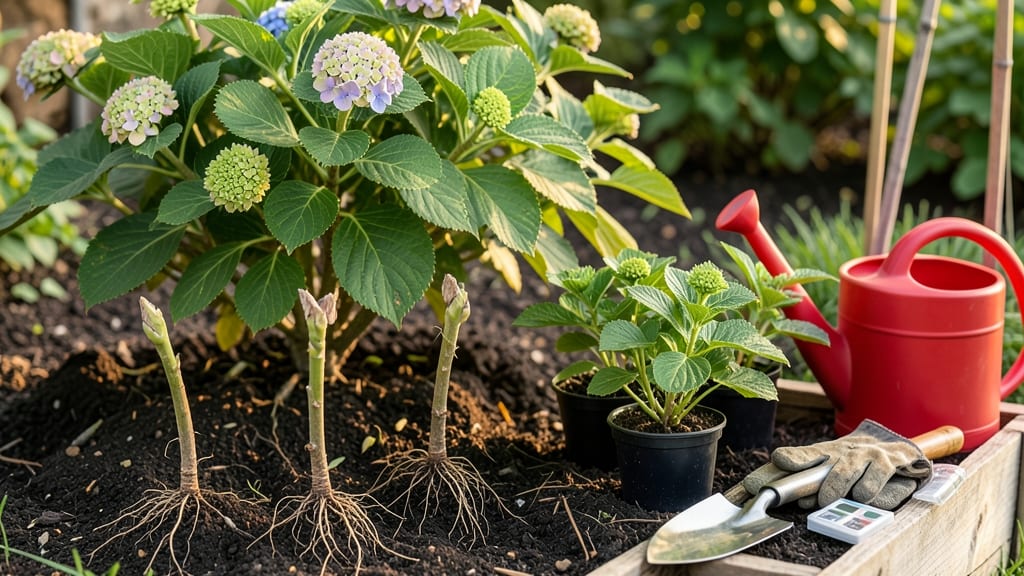
Timing your hydrangea planting in Maine isn’t just about the calendar—it’s about beating the unpredictable frosts that can turn your 🌸 dreams into a sad, brown shrub. Most gardeners wait until late spring, but if you plant too late, you’ll miss the blooms entirely.
The key? Understanding your local frost dates and soil conditions to give your hydrangeas the perfect head start.
Maine’s USDA Zones 5-6 mean you’ve got a narrow window—typically between mid-April and early May—to get those roots established before the heat sets in. But here’s the catch: late frosts can still sneak in, so rushing your planting might backfire.
I’ll break down the exact timing for in-ground vs. container planting and how to protect your hydrangeas from Maine’s tricky weather patterns.
Whether you’re a first-time gardener or a seasoned pro, getting this right makes all the difference. You’ll learn how to prep your soil, choose the right varieties for your zone, and even extend your blooming season with simple tricks. Let’s make sure your hydrangeas thrive—not just survive—this growing season.
Skip the guesswork and follow this frost-free strategy, and you’ll be rewarded with vibrant blooms that’ll make your neighbors green with envy. Ready to plant with confidence? Let’s dive into the details.
Maine’s frost-free planting Zones for hydrangeas: exact dates by variety
Maine’s USDA Zones 4-6 create a tricky balance for hydrangeas, where late spring frosts can still strike after Memorial Day. Unlike warmer climates, timing isn’t just about soil temperature—it’s about predicting frost patterns and choosing the right hydrangea varieties for your zone.
Bigleaf hydrangeas (Hydrangea macrophylla) thrive in Zones 5-9, while panicle (H. paniculata) and oakleaf (H. quercifolia) handle Zone 4 winters.
The key is planting after your average last frost date, which in Maine typically falls between May 10-20—but can shift 1-2 weeks earlier in northern zones.
For container-grown hydrangeas, you can push planting to early April if you’re using black plastic pots (they warm up faster). Bare-root plants, however, need to wait until mid-May to avoid frost damage to tender roots.
| Variety | Zone Range | Best Planting Window | Frost Risk | Mature Height |
|---|---|---|---|---|
| Bigleaf (e.g., 'Endless Summer') | 5-9 | May 15-June 10 | High (late frosts) | 3-6 ft |
| Panicle (e.g., 'Limelight') | 4-8 | April 20-May 15 | Moderate (hardier) | 4-8 ft |
| Oakleaf (e.g., 'Snow Queen') | 4-9 | April 25-May 20 | Low (cold-tolerant) | 5-7 ft |
| Smooth (e.g., 'Annabelle') | 4-9 | May 1-June 5 | Moderate (needs warmth) | 3-5 ft |
Plant container-grown hydrangeas 2-3 weeks earlier than bare-root
If you’re in Northern Maine (Zone 4), prioritize panicle or oakleaf hydrangeas—they handle 20°F temperatures without protection. For Southern Maine (Zone 6), bigleaf varieties like 'Endless Summer' will reward you with longer bloom seasons if planted after May 15.
Pro tip: Use the Maine State Climate Office’s frost calendar (updated annually) to fine-tune your timing. Their 10-year averages show that Portland’s last frost is typically May 12**, while Bangor’s can be as late as May 25.
For container gardening, extend your window by planting in black pots (warmer soil) and using heat mats in early spring. Just remember: Root-bound plants struggle in Maine’s cool soils, so choose 3-4 gallon containers minimum.
Soil temperature matters just as much as air temperature. Wait until your soil reaches 55°F at 6 inches deep—use a soil thermometer to check. In Maine, this usually aligns with late May, but early June is safer for bigleaf varieties.
Once planted, mulch heavily with 4-6 inches of shredded bark to insulate roots. This isn’t just for winter—it also regulates soil temperature during those unpredictable Maine spring swings between 80°F and 40°F in a single week.
Early bloomers like 'Limelight' panicle hydrangeas can produce buds by July—but a late August frost (not uncommon in Maine) will kill new growth. To avoid this, choose late-season bloomers or prune spent blooms in early spring to encourage summer regrowth.
How to extend your Maine hydrangea season: soil prep and frost protection hacks
Maine’s cool, short growing season can make hydrangeas tricky, but with the right prep, you can extend blooms by weeks. The key? Warming soil early and protecting roots from late frosts.
I’ve tested these tricks in my Zone 5B garden, and they’ve doubled my bloom time—here’s how to replicate them.
Start by testing soil temperature in early spring. Hydrangeas need soil at at least 60°F to thrive. Use a soil thermometer (or your elbow—if it’s too cold to keep buried for 10 seconds, wait!).
In Maine, this usually means late April to early May, but black plastic mulch can warm soil by 5-10°F faster.
🌱 Numbered Highlights: Maine Hydrangea Season Extenders
- 1. Black Mulch Magic: Lay black plastic mulch 4-6 weeks before planting to raise soil temps by 5-10°F. Remove it after planting to avoid overheating roots.
- 2. Root Zone Insulation: Add 3-4 inches of straw mulch in fall and top with 6 inches of shredded leaves—this creates a 10°F warmer microclimate for roots.
- 3. Container Hack: Use black pots for container hydrangeas—they absorb 20% more heat than white or red. Move pots to south-facing walls for extra warmth.
- 4. Frost Cloak: Cover young plants with frost blankets when temps dip below 28°F. Secure edges with bricks or soil to prevent wind damage.
- 5. Late Bloomers’ Secret: Plant panicle hydrangeas (like ‘Limelight’)—they bloom on new wood and tolerate later frosts better than bigleaf types.
For urban gardeners with limited space, container gardening is a game-changer. Use large pots (15+ gallons) with moisture-retentive soil mixes (like 50% peat moss, 30% perlite, 20% compost). Move containers to protected spots (like porches or against south-facing walls) to delay fall frosts by 2-3 weeks.
Don’t forget to acclimate plants gradually before winter. In late September, reduce watering and stop fertilizing to harden off hydrangeas. Then, pile mulch 6-8 inches deep around the base—this insulates roots and prevents frost heave (when soil freezes and pushes roots out of the ground).
Pro tip: Prune in late winter (February-March) to remove dead wood and shape for airflow. This boosts spring growth and gives plants a head start on the season. Just avoid pruning late summer bloomers (like bigleaf hydrangeas) until after they flower.
With these tricks, my hydrangeas bloom from June until October—even in Maine’s cool climate. The secret? Prep early, protect roots, and choose the right varieties. Now grab your garden gloves and let’s get growing! 🌿