
Plants
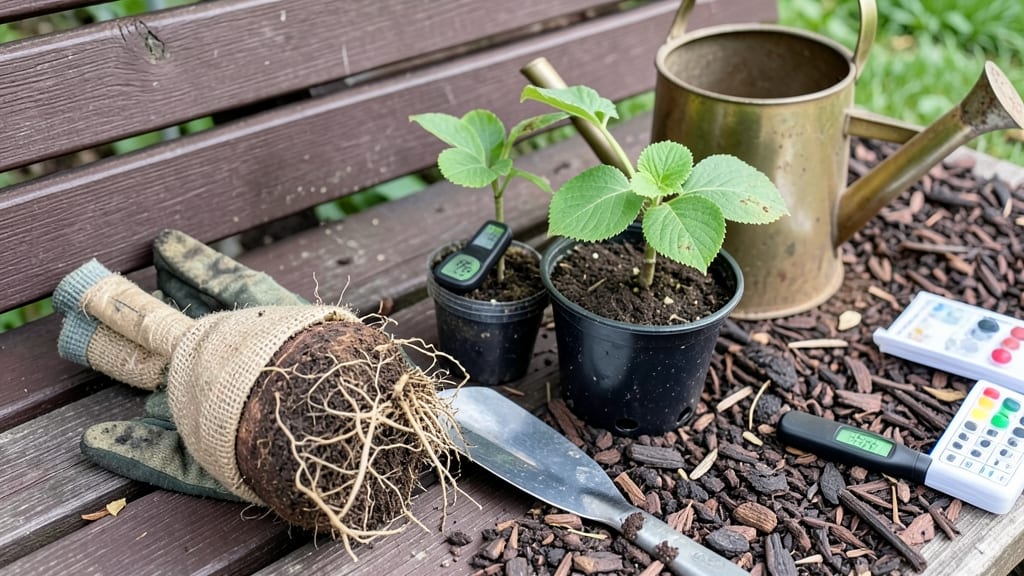
If you’ve ever dreamed of a backyard bursting with vibrant hydrangea blooms 🌸, timing your planting is the secret weapon—especially in North Carolina’s shifting climate. Planting hydrangeas at the wrong time can leave you staring at sad, stunted shrubs instead of lush, show-stopping clusters.
The key? Locking in the frost-free window for your specific zone (7a-8b), where even a few weeks off can mean the difference between thriving roots and struggling survival.
North Carolina’s mild winters and long summers give you two prime chances to plant: early spring or fall. But here’s the catch—soil temperature and last frost dates vary wildly between the Piedmont’s cooler hills and the Coastal Plain’s balmy air.
In Zone 7a, you’ve got until mid-April to get hydrangeas in the ground before the heat sets in, while Zone 8b gardeners can push it even earlier. Miss the mark, and you risk root shock or fungal issues that could derail your dream garden before it begins.
Whether you’re digging in the ground or tucking potted hydrangeas into containers, the right timing isn’t just about the calendar—it’s about reading your local microclimate. I’ll break down exactly when to plant in your area, plus pro tips to prep your soil and protect young plants from NC’s unpredictable weather.
Let’s turn those wilted dreams into a reality that lasts for years.
Ready to plant with confidence? You’ll walk away knowing the exact months to act, how to tell if you’ve planted too early or late, and how to give your hydrangeas the perfect start—no guesswork, just lush, blooming success.
Best planting months for hydrangeas in NC zones 7a-8b
North Carolina’s USDA Zones 7a-8b offer a generous frost-free window for hydrangeas, but timing still matters. In Zone 7a (western NC mountains), your last frost typically hits around April 15, while Zone 8b (coastal areas) sees frost-free conditions by March 15.
This means your ideal planting window spans March through May for spring plantings and September through November for fall.
For spring planting, aim to get hydrangeas in the ground 4-6 weeks before your last frost date. This gives roots time to establish before summer heat arrives.
In Zone 7a, that’s around mid-March, while Zone 8b gardeners can start as early as February if soil temperatures stay above 50°F.
Fall planting is equally critical—hydrangeas need 6-8 weeks to root before winter dormancy. In Zone 7a, wrap up by October 15, while Zone 8b can extend planting until November 1. Planting too late risks frost damage to tender roots.
| Factor | Zone 7a (Western NC) | Zone 8b (Coastal NC) |
|---|---|---|
| Last Frost Date | April 15 | March 15 |
| Ideal Spring Planting | March 15-April 30 | February 15-May 15 |
| Ideal Fall Planting | September 15-October 15 | September 1-November 1 |
| Soil Temp for Planting | 50°F+ | 55°F+ |
| Microclimate Note | Mountain valleys freeze earlier | Coastal humidity extends growing season |
Microclimates play a huge role in NC. Mountainous regions (like the Blue Ridge) often see earlier frosts, so err on the side of planting hydrangeas later in spring.
Conversely, coastal areas (like the Outer Banks) can plant earlier due to milder winters. Always check your local frost dates using the NC State Climate Office.
Container-grown hydrangeas offer more flexibility—you can plant them up to 2 weeks earlier than bare-root varieties, as their roots are already established. For bare-root hydrangeas, soak roots in water for 1-2 hours before planting to prevent transplant shock.
Both types thrive when planted in partial shade (4-6 hours of sun daily).
If you miss the ideal window, don’t panic. June plantings can still work if you provide extra mulch and consistent watering. However, avoid planting in July or August—the heat stresses young plants, and they may not bloom until the following year.
For fall plantings, prioritize oakleaf hydrangeas, which handle cooler temps better than bigleaf varieties.
Pro tip: Use a soil thermometer to confirm ground temps are 50°F+ before planting. Cold soil slows root growth, leaving hydrangeas vulnerable to root rot or pests like slugs. In Zone 7a, wait until mid-April if early spring brings unexpected frosts.
For container gardening, timing shifts slightly. Potted hydrangeas can go in the ground 1-2 weeks earlier than bare-root, but they also need winter protection if temperatures dip below 20°F. Move containers to a sheltered spot or wrap them in burlap for added insulation.
Remember: Hydrangeas planted in spring often bloom the first year, while fall plantings may wait until year two for full blooms. Patience pays off—lush hydrangeas reward precise timing with vibrant blooms from summer to frost.
How to prepare your North Carolina garden for hydrangea planting
Preparing your North Carolina garden for hydrangeas starts with understanding the clay-heavy soils and humid climate that define our state. Hydrangeas thrive in well-draining, slightly acidic soil with a pH between 5.5-6.5 for blue blooms or 6.0-7.0 for pink flowers.
If your soil tests higher, amend it with peat moss or sulfur to adjust the pH before planting.
Choose a sunlight spot that gets morning sun and afternoon shade, especially in hotter zones like Zone 8b. Coastal areas may need extra protection from salty winds, while inland Piedmont regions benefit from partial shade to prevent leaf scorch.
Test your soil’s drainage by digging a hole—if water pools after 6 hours, raise beds or mix in compost and sand.