
Plants
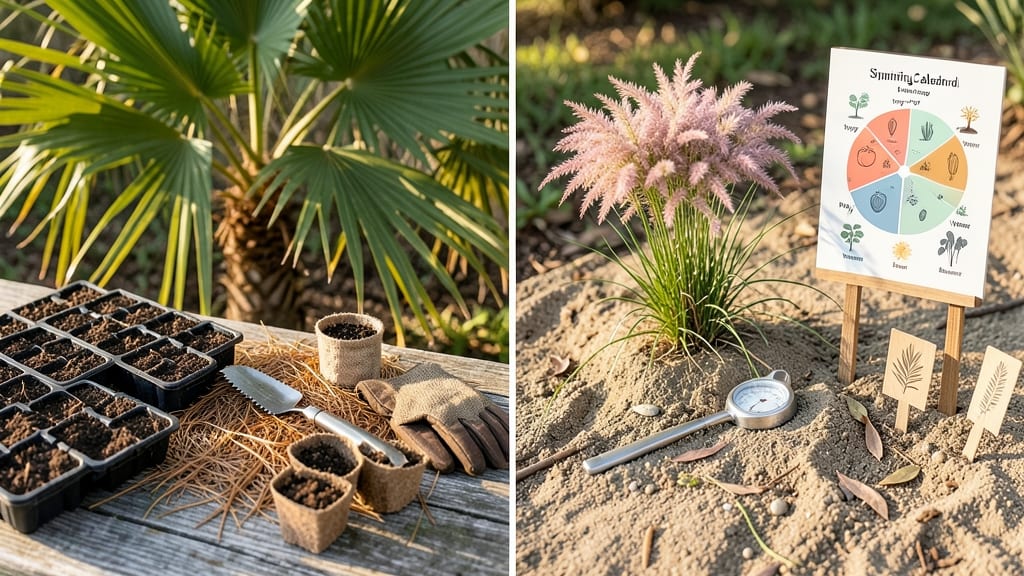
Timing your Central Florida planting right isn’t just about luck—it’s the difference between a thriving garden and wasted effort. With 275-300 frost-free days in zones 9a-9b, you’ve got a rare opportunity to grow almost year-round, but even Florida’s warm climate has its quirks.
Skip the guesswork and plant when the conditions are truly ideal for your crops. Whether you’re sowing heat-loving tomatoes in spring or cool-season greens in fall, this guide cuts through the confusion with a season-by-season breakdown tailored to Central Florida’s unique microclimates.
From avoiding late freezes to beating summer’s brutal heat, I’ll show you exactly when to start seeds, transplant seedlings, and harvest for maximum success. No more second-guessing—just a foolproof timeline for zero-risk harvests that actually work in Florida’s climate.
Ready to turn your garden into a year-round powerhouse? Let’s dive into the frost-free planting schedule that’ll have you reaping rewards month after month.
Central Florida planting calendar by season: frost-free zones explained
Central Florida’s USDA Zones 8B-9B mean you can grow almost year-round—but timing matters. Unlike northern climates, we don’t have long winters to wait for planting season. Instead, we focus on heat tolerance, humidity management, and avoiding late frosts (which can still happen in January-February).
The key is planting when soil and air temperatures align with each plant’s needs.
Most Central Floridians divide planting into three main windows: early spring (after last frost risk), summer (for heat-lovers), and fall (for cooler-season crops).
I’ll break down each window, including specific start dates, plant types, and microclimate adjustments to help you avoid common mistakes like bolting greens or wilting tomatoes in summer heat.
Pro Tip: Use a soil thermometer (not just air temp) to check when soil reaches 60°F+ for warm-season crops. Cool-season plants thrive when soil is 55-65°F. This small step prevents seedling rot or slow germination.
| Season | Planting Window | Best Plants | Soil Temp | Key Tip |
|---|---|---|---|---|
| Early Spring | Feb 15 – Mar 31 | Leafy greens, peas, broccoli, carrots, onions | 55–65°F | Use shade cloth for seedlings; mulch to retain moisture. |
| Summer | Apr 1 – Sep 30 | Tomatoes, peppers, okra, sweet potatoes, basil | 65–85°F | Water deeply in morning; avoid overhead sprinklers. |
| Fall | Aug 1 – Oct 15 | Kale, spinach, radishes, turnips, garlic | 60–70°F | Plant succession crops every 2 weeks for continuous harvest. |
| Winter | Nov 1 – Jan 15 | Peas, lettuce, cabbage, herbs (cilantro, parsley) | 50–60°F | Use row covers for frost-sensitive plants; harvest before hard freeze. |
Spring planting in Central Florida starts earlier than you’d expect. While northern gardeners wait for Memorial Day, we can plant cool-season crops like broccoli as early as mid-February—but only if you’re prepared for unpredictable late frosts.
I recommend starting with hardy greens like collards or peas, which tolerate light frosts better than lettuce or spinach.
For warm-season crops, wait until April 15th or later. This gives soil time to warm up and reduces the risk of blossom-end rot in tomatoes. If you plant too early, seedlings may bolt (flower prematurely) or develop weak stems from cool nights.
Pro tip: Use black plastic mulch to warm soil faster in March-April.
Summer planting is all about heat tolerance. Crops like okra and sweet potatoes thrive in 90°F+ temperatures, while tomatoes and peppers need afternoon shade during peak summer. I’ve had the most success with succession planting every 2 weeks from May through July to keep harvests coming.
Fall is my favorite season for Central Florida gardening because the humidity drops and temperatures moderate. This is when I plant cool-season crops like kale and carrots for winter harvests.
The key is to get seeds in the ground by mid-October so they mature before December’s rare frosts. I often use row covers to extend the season by 2-3 weeks.
Winter planting is limited but still productive. Focus on fast-growing crops like radishes (30 days to harvest) and turnips, which can handle light frosts. If you’re growing herbs like cilantro, they’ll bolt in summer heat, so winter is their prime time.
Just be ready to harvest before hard freezes, which can damage even frost-tolerant plants.
Remember: Central Florida’s microclimates vary wildly. A coastal garden in Daytona Beach stays warmer longer than an inland garden in Ocala.
Top 5 fast-growing crops for Central Florida’s short growing seasons
Central Florida’s short growing seasons and intense summer heat demand crops that mature quickly. The right fast-growing plants let you enjoy harvests without waiting months. My top picks thrive in USDA Zones 8b-9b and deliver results in 30-60 days—perfect for beginners or small spaces.
First up: bush beans and radishes. Both sprout in 7-10 days and mature in just 30-45 days. Plant them in early spring (Feb-March) or fall (Sept-Oct) to avoid summer’s 90°F+ temperatures.
For herbs, basil and cilantro grow aggressively in Florida’s humid climate—harvest basil in 4-6 weeks or cilantro in 30 days before bolting.
Leafy greens like lettuce and spinach are another win. Opt for heat-tolerant varieties like Romaine or Swiss chard, which handle Florida’s humidity better than traditional types. Plant in fall (Sept-Nov) for 60-day harvests before winter slows growth.
Matures in 45 days; plant in spring/fall for best yields. Avoid summer heat.
Ready in 30 days; ideal for succession planting every 2 weeks.
Harvest in 4-6 weeks; pinch leaves to encourage bushier growth.
Matures in 60 days; plant in fall or winter for best flavor.
Ready in 30 days; harvest before bolting in hot weather.
For succession planting, focus on radishes and bush beans. Sow new seeds every 2-3 weeks in spring/fall to ensure a continuous harvest. Avoid planting these in summer’s peak heat—they’ll bolt or wilt quickly.
Pro tip: Use shade cloth (30-50%) for summer plantings of greens or herbs to protect them from direct sun. Mulch with straw to retain moisture and keep soil cool. With these fast growers, you’ll have fresh produce in no time—even in Florida’s short windows!
🌱