
Plants
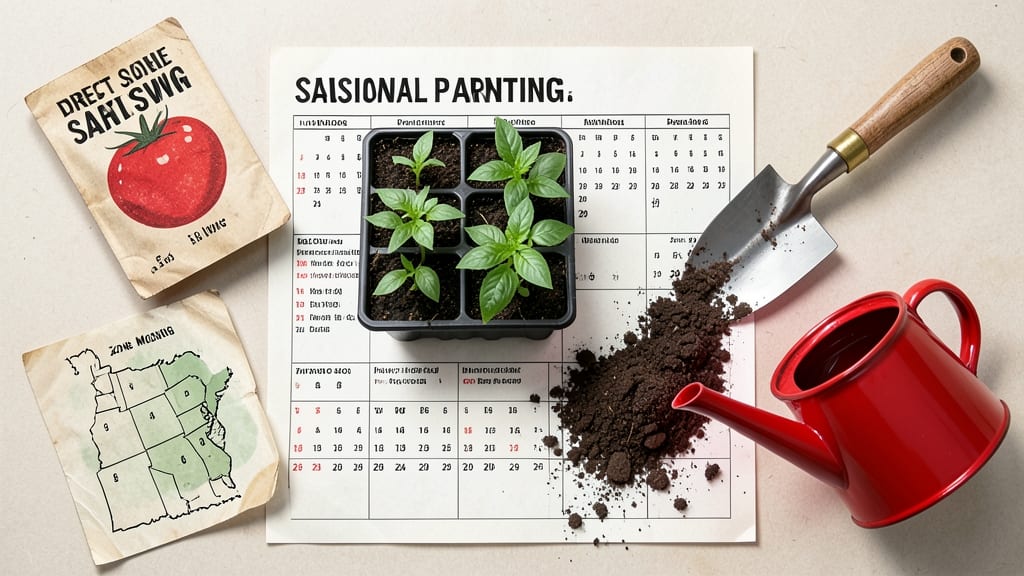
Timing your garden just right in Michigan using the when to plant in Michigan calendar 📅 isn’t just about dates—it’s about understanding your local climate’s quirks, from the Upper Peninsula’s late frosts to southern Michigan’s warmer pockets.
If you've ever stared at seed packets wondering, "When exactly should I plant these?" you're not alone. The key is knowing your last frost date—typically around April 15 in most areas—but also how to adjust for your specific microclimate.
Whether you're growing tomatoes, kale, or perennials, getting this right means more time enjoying your garden and less time troubleshooting.
In this guide, I'll break down the exact planting windows for Michigan's Zones 4-5, including when to start seeds indoors, when to transplant, and how to extend your growing season with simple tricks. No more guessing—just proven strategies that work for Michigan gardeners.
Ready to turn your garden dreams into reality? Let's dive into the calendar that'll help you plant with confidence, no matter where you are in the state.
Michigan planting calendar by Zone 4-5: last frost dates & ideal timing
Michigan’s Zone 4-5 frost dates vary dramatically between the Upper Peninsula and Lower Peninsula, with Northern Michigan facing later last frosts (often May 15) compared to Southern Michigan (as early as April 20).
This calendar uses average frost dates from Michigan State University (MSU) to help you time your plantings—whether you’re growing cool-season crops like spinach or warm-season favorites like tomatoes.
For cool-season crops, start seeds indoors in March or sow directly into cold soil as early as April.
Warm-season crops, however, demand patience: tomatoes, peppers, and squash should only go into the ground after the last frost date (typically May 15–June 1), when soil temperatures hit 55°F+.
Use this month-by-month guide to align your planting with Michigan’s climate, adjusting for your specific microclimate. For example, urban gardens in Detroit may warm up faster than rural areas in Traverse City, while lake-effect zones near the Great Lakes can experience delayed frosts.
🌱Pro Tip: Bookmark this calendar and check MSU’s frost date maps annually—they shift slightly each year due to climate variability.
| Month | Cool-Season Crops (Direct Sow) | Warm-Season Crops (Transplant After Frost) | Fall Planting (For Overwintering) |
|---|---|---|---|
| March | Spinach, peas, lettuce (start indoors) | Begin indoor seedlings (tomatoes, peppers) | — |
| April | Carrots, radishes, kale (direct sow) | Hardy transplants (onions, cabbage) | Garlic (plant by April 30) |
| May | Broccoli, cauliflower, beets | Transplant tomatoes, peppers (after May 15) | Late bush beans (sow by June 1) |
| June | Succession plant lettuce, spinach | Cucumbers, squash, basil | — |
| July–August | — (too hot for cool crops) | Direct sow bush beans, corn | Late kale, Swiss chard (sow by July 15) |
| September | Spinach, peas, radishes (for fall harvest) | — | Plant garlic, onions for next year |
| October | Cover crops (clover, winter rye) | — | Extend season with row covers |
Michigan’s first frost typically arrives between October 1–15, but Northern Michigan can see frost as early as September 20. Plan accordingly: warm-season crops like tomatoes and peppers should be harvested before September 15 in most regions, while cool-season crops like kale and carrots can often survive light frosts.
🌿Key Adjustments for Michigan: If you’re in <
How to adjust your planting schedule for Michigan’s microclimates
Michigan’s climate isn’t one-size-fits-all—southern Lower Peninsula can be 2-3 weeks ahead of northern Upper Peninsula areas. Even within cities, urban heat islands create microclimates where tomatoes ripen 10 days earlier than rural spots. Understanding these variations lets you extend seasons and avoid frost surprises.
Start by identifying your local frost pockets—low-lying areas or shaded spots near lakes freeze first. Use a minimum thermometer ($10 at garden centers) to track overnight temps. For example, Traverse City’s last frost often hits May 10, while Detroit’s averages April 25.
Plant warm-season crops like peppers only after your area’s last frost date.
🌱 Visual Element: Callout Warning 🌱
⚠️ Common Mistakes in Michigan Planting
1. Ignoring lake-effect cooling: Areas within 5 miles of Lake Michigan can drop 10°F faster at night. Wait 3-5 days longer to plant heat-loving crops.
2. Planting too early in sheltered spots: South-facing walls or fences create microclimates 5-10°F warmer. Seedlings here may outpace nearby plants—stagger your planting dates.
3. Skipping soil temp checks: 50°F soil is the magic number for most veggies. Use a soil thermometer—cold soil delays germination even if air temps are warm.
Use row covers (like Reemay fabric) to push back frost dates by 2-4 weeks for cool-season crops. For example, I’ve successfully grown spinach and radishes in March by covering them until mid-April.
Remove covers when plants flower to prevent heat stress. Cold frames (DIY with plexiglass) add 10-15°F protection—ideal for hardening off seedlings.
Succession planting is your secret weapon. Instead of one big tomato planting in May, sow half in late May and the other half in early June. This ensures continuous harvests and reduces risk if early plantings fail.
For bush beans, try a third planting in July for a late-summer crop before frost.
Monitor MSU Extension’s frost maps (updated annually) and local weather stations like NOAA’s Detroit or Marquette data. Sign up for alerts from your county extension office—they often issue 5-day frost warnings that let you protect tender plants. In my garden, these alerts saved my eggplant starts twice in June!
For perennials, time divisions in early fall (September) when soil stays warm but air cools. This gives roots time to establish before winter. And always mulch 3-4 inches deep with straw or leaves to insulate roots—it’s the difference between a dead vs. surviving plant in Zone 5 winters.