
Plants
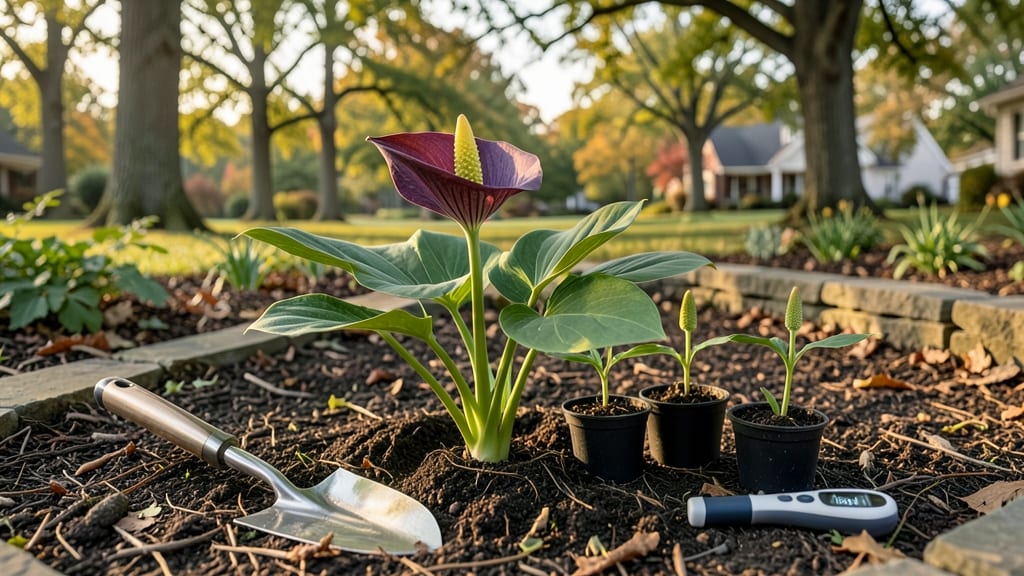
Timing your Jack-in-the-Pulpit 🌿 planting just right means the difference between a thriving woodland garden star and a struggling understudy. This native perennial demands patience—plant too early, and frost will nip its tender roots; wait too long, and you’ll miss its dramatic spring emergence entirely.
For gardeners in Zone 6a (and similar climates), the sweet spot arrives when soil temperatures hit 50-60°F—typically March to April—just as the last frost retreats. This early spring window isn’t just about avoiding cold snaps; it’s when your plant’s roots can establish before summer’s heat sets in.
Why does timing matter so much? Jack-in-the-pulpit thrives in partial shade with consistently moist soil, but its growth cycle kicks off with spring rains.
Planting at the right moment ensures your 🌿 gets a head start, reducing transplant shock and setting the stage for those iconic hooded blooms by late spring.
I’ll walk you through exactly how to gauge the perfect moment—including soil checks, moon phases (yes, they matter!), and what to watch for in your local climate. Let’s get those roots in the ground the right way.
Optimal planting timeline for jack in the pulpit by US hardiness zones
Timing is everything when planting jack in the pulpit—this woodland native thrives when planted after the last frost but before summer heat sets in. The ideal window spans early spring (March-April) in most regions, but your USDA hardiness zone dictates exact dates.
Planting too early risks frost damage to tender roots, while waiting too late may delay the plant's dramatic spring emergence.
For bare-root crowns or potted plants, soil temperatures should reach 50-60°F—a critical threshold for root establishment. In colder zones (4-5), aim for late April to early May when frost danger has passed. Warmer zones (7-9) can plant as early as February to March, but avoid extreme heat.
Moon phase enthusiasts often plant during the waxing moon for stronger root growth, but this isn't mandatory. The key is moist soil and partial shade—conditions that mimic its native woodland habitat.
Let's break down the perfect planting windows by zone to ensure your jack in the pulpit thrives from day one.
| USDA Zone | Frost-Free Date | Ideal Planting Window | Soil Temp Requirement | Key Consideration |
|---|---|---|---|---|
| 3-4 | Late May | Early June (after last frost) | 55-60°F | Wait for consistent warmth |
| 5-6 | Mid-April | Late April to early May | 50-55°F | Avoid late frosts |
| 7-8 | Early March | February to March | 45-50°F | Plant early for spring blooms |
| 9-10 | January | January to February | 40-45°F | Cool winters allow early planting |
While spring planting is ideal for jack in the pulpit, some gardeners opt for fall planting in mild climates (zones 7-10). The tradeoff? Fall-planted crowns establish roots before winter but may bloom slightly later the following spring.
If you choose this route, plant 6-8 weeks before first frost to allow root development.
For container growing, timing shifts slightly—plant when soil warms to 55°F (typically 2-3 weeks after in-ground planting dates). Containers heat up faster, so monitor soil moisture closely. Pro tip: Use moisture-retentive potting mix with added peat moss to mimic woodland soil conditions.
Regardless of zone, always amend planting soil with compost or leaf mold to improve moisture retention. Jack in the pulpit despises dry conditions—think of it as a woodland plant with wet feet but shady roots. Mulch heavily (3-4 inches) with wood chips to maintain humidity and suppress weeds.
One common mistake? Planting in full sun. While it tolerates partial shade, direct afternoon sun causes leaf scorch. Instead, mimic its native understory habitat with dappled sunlight and humid microclimates. A spot near shrubs or trees works perfectly.
After planting, water deeply but infrequently—aim for 1 inch of water per week, delivered in the morning to prevent fungal issues. Avoid overhead watering, which can damage the delicate spathe (the hood-like structure). Within 4-6 weeks, you should see new growth emerging from the crown.
Remember: Jack in the pulpit's dramatic spring emergence is worth the wait. By following these zone-specific guidelines, you'll give your plant the best possible start—leading to healthier foliage, vibrant blooms, and years of woodland garden charm. 🌿
Optimal planting timeline for jack in the pulpit by US hardiness zones
Timing your jack in the pulpit planting is critical—this woodland native thrives when soil temperatures hit 50-60°F and the last frost has passed. In USDA Zones 3-7, aim for early spring (March-April) when native plants begin leafing out.
For Zones 8-10, extend your window to February-May as frost risks diminish.
Frost is the enemy: planting too early risks crown rot from frozen soil, while waiting too long delays the plant’s dramatic spring emergence. I’ve found success by aligning transplants with moon phases—root crops (like jack in the pulpit) benefit from a waxing moon to encourage strong root development.
🌱 Jack in the Pulpit Planting Guide by Zone
| Zone | Ideal Planting Window | Soil Temp Requirement | Moon Phase Tip |
|---|---|---|---|
| 3-4 | Late April - Early May | 55-60°F (13-16°C) | Waxing gibbous |
| 5-6 | March 15 - April 15 | 50-55°F (10-13°C) | First quarter |
| 7-8 | February 20 - April 30 | 45-50°F (7-10°C) | Waxing crescent |
| 9-10 | January 15 - May 15 | 40-45°F (4-7°C) | Full moon |
💡 Pro Tip: Use a soil thermometer to verify temps before planting—cold soil delays root establishment.
Fall planting is possible in Zones 7-10, but I recommend waiting until October to avoid winter stress. The key is ensuring 6-8 weeks of warm soil before the first frost—this gives roots time to anchor before dormancy.
For container-grown plants, I’ve had success transplanting in early fall (September), but bare-root crowns need extra care.
Regional microclimates matter: if you’re in a valley or low-lying area, frost dates may arrive earlier than official USDA zone predictions. I always check my local Cooperative Extension Service for hyper-local frost data.
For example, in Zone 6, my garden’s frost date is April 15, but nearby valleys can see frost until May 1.
Once you’ve nailed the timing, water deeply after planting to settle soil around roots—this reduces air pockets that invite rot. Mulch with 2-3 inches of shredded leaves to retain moisture and mimic its woodland habitat. Within 4-6 weeks, you’ll see those signature hooded blooms emerging, signaling success.
🌿